“`html
Table of Contents
Scrumptious Mongolian Beef Noodles for Dinner
Scrape Up a Scrumptious Dinner in Minutes
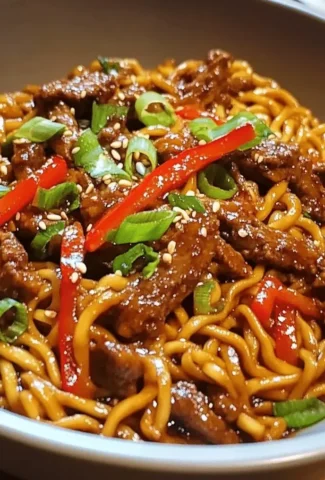
Are you tired of the same old dinner routine and craving something that’s both incredibly delicious and remarkably quick to prepare? In today’s fast-paced world, finding a meal that satisfies your taste buds without demanding hours in the kitchen can feel like a culinary quest. If you’re on the lookout for a scrumptious yet quick dinner idea, look no further than these tantalizing Mongolian Beef Noodles. This dish is a weeknight warrior, designed to impress with its robust flavors and satisfying textures, all while being surprisingly easy to whip up. Imagine tender, thinly sliced beef coated in a savory, slightly sweet, and umami-rich sauce, tossed with perfectly cooked noodles and crisp vegetables. It’s the kind of meal that makes everyone at the table ask for seconds, and you can confidently say, “I made this!”
Ingredients: A Symphony of Flavors
The magic of Mongolian Beef Noodles lies in its balanced blend of pantry staples and fresh components. Each element plays a crucial role in creating that craveable umami depth and satisfying chew. Don’t be intimidated by the ingredient list; most of these are common to Asian cooking and readily available.
For the Beef:
- 1 lb Flank Steak or Sirloin Steak: Choose a tender cut that will cook quickly. Slice it thinly against the grain for maximum tenderness.
- 1 tbsp Soy Sauce: The salty, umami foundation. Low-sodium is a great option if you’re mindful of salt intake.
- 1 tsp Cornstarch: Helps to tenderize the beef and create a slight crispiness when seared.
- 1/2 tsp Black Pepper: Freshly ground for the best flavor.
For the Sauce:
- 1/2 cup Low-Sodium Soy Sauce: The primary savory element.
- 1/4 cup Low-Sodium Beef Broth: Adds depth and liquid for the sauce to coat. Water can be substituted in a pinch.
- 2 tbsp Oyster Sauce: For a rich, complex, and slightly sweet umami boost. (Vegetarian oyster sauce is available).
- 2 tbsp Brown Sugar or Honey: Balances the saltiness with a pleasant sweetness. Adjust to your preference.
- 1 tbsp Rice Vinegar: Adds a subtle tang to cut through the richness.
- 1 tsp Sesame Oil: For that unmistakable nutty aroma and flavor. Toasting your sesame seeds before making oil enhances its scent even further!
- 1 tbsp Cornstarch: To thicken the sauce to a beautiful, glossy consistency.
- 2 cloves Garlic, minced finely: Essential aromatic.
- 1 tsp Grated Fresh Ginger: Adds a warm, zesty kick that complements the garlic.
For the Noodles and Vegetables:
- 8 oz Noodles: Egg noodles, lo mein, or even linguine work beautifully. Cook them according to package directions until al dente, then drain and toss with a little oil to prevent sticking.
- 2 tbsp Vegetable Oil or Canola Oil (divided): For stir-frying.
- 1 cup Sliced Scallions (green onions): The white parts can be stir-fried with garlic, and the green tops can be used as a fresh garnish.
- Optional: Sliced Carrots, Bell Peppers, Broccoli Florets: Add extra color, texture, and nutrients.
Timing: Your Culinary Adventure
This recipe is a testament to speed and flavor. Most recipes for Mongolian Beef Noodles hover around the 30-45 minute mark, and this one fits right in, proving that a delicious, home-cooked meal doesn’t have to be an all-day affair.
Step-by-Step Instructions: Your Culinary Journey
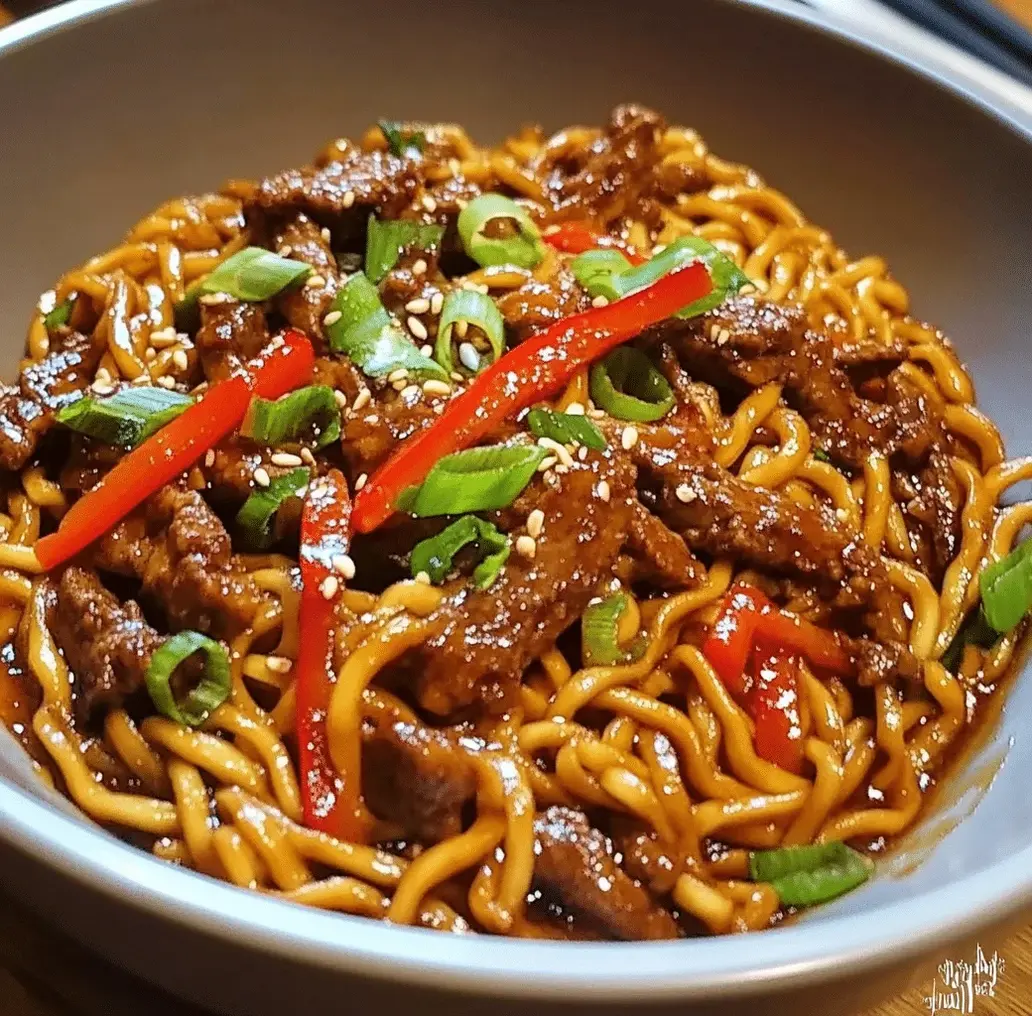
Let’s get cooking! Follow these simple steps to create a restaurant-worthy Mongolian Beef Noodles dish in your own kitchen.
1. Prepare the Beef
Pat your thinly sliced beef dry with paper towels. This is a crucial step for achieving a good sear. In a medium bowl, toss the beef with 1 tbsp soy sauce, 1 tsp cornstarch, and 1/2 tsp black pepper. Ensure each piece is lightly coated. Set aside for at least 10 minutes while you prepare the sauce and noodles.
2. Whisk Up the Magic Sauce
In a small bowl or measuring cup, combine all the sauce ingredients: 1/2 cup soy sauce, 1/4 cup beef broth, 2 tbsp oyster sauce, 2 tbsp brown sugar (or honey), 1 tbsp rice vinegar, 1 tsp sesame oil, 1 tbsp cornstarch, minced garlic, and grated ginger. Whisk vigorously until the cornstarch is fully dissolved and there are no lumps. Set aside.
3. Get Your Noodles Ready
Cook your chosen noodles according to the package instructions until they are just al dente. Overcooked noodles can become mushy, so keep an eye on them! Drain the noodles well and toss them with a tiny bit of oil (about 1 teaspoon) to prevent them from sticking together while you finish the main dish. Set aside.
4. Cook the Beef to Perfection
Heat 1 tbsp of vegetable oil in a large skillet or wok over medium-high heat until it’s shimmering. This high heat is key to searing the beef quickly. Add the marinated beef in a single layer, working in batches if necessary to avoid crowding the pan. This ensures each piece gets beautifully browned and slightly crisp. Sear for about 1-2 minutes per side until nicely browned. Remove the beef from the skillet and set it aside on a clean plate. Don’t worry if it’s not cooked through; it will finish cooking in the sauce.
5. Bring It All Together
Add the remaining 1 tbsp of vegetable oil to the same skillet over medium heat. Add the white parts of the sliced scallions (and any optional vegetables you’re using, like carrots or bell peppers) and stir-fry for about 1-2 minutes until they start to soften slightly. Give your sauce a quick re-whisk to ensure the cornstarch is still incorporated. Pour the sauce into the skillet and bring it to a simmer, stirring constantly. The sauce will thicken beautifully. Return the seared beef to the skillet, along with any accumulated juices. Toss to coat the beef evenly in the glossy sauce. Cook for another minute or two until the beef is cooked through and coated. Finally, add the cooked noodles to the skillet. Toss everything together gently until the noodles are well-coated in the sauce and heated through. Stir in most of the green parts of the scallions, reserving some for garnish.
Nutritional Highlights
While a definitive nutritional breakdown requires precise measurements and specific ingredients, typically, a serving of Mongolian Beef Noodles (around 4 servings per recipe) contains:
- Calories: 450-600 kcal
- Protein: 25-35g
- Fat: 15-25g
- Carbohydrates: 40-60g (depending on noodles)
- Sodium: Varies greatly based on soy sauce and broth used. Opting for low-sodium versions is key!
Disclaimer: These are estimated values. Actual values may vary based on ingredients and portion size.
Healthier Alternatives
Looking to make this delicious dish even healthier without sacrificing flavor? Here are a few swaps:
- Leaner Protein: Swap beef for thinly sliced chicken breast or even firm tofu for a vegetarian option.
- Whole Wheat Noodles: Use whole wheat spaghetti or soba noodles for added fiber.
- Reduced Sodium: Strictly use low-sodium soy sauce and broth. Consider a “no-salt-added” broth.
- Less Sugar: Reduce the brown sugar or honey by half, or use a natural sweetener like stevia (use sparingly and adjust to taste).
- Extra Veggies: Load up on nutrient-dense vegetables like broccoli, snap peas, bell peppers, and bok choy to increase fiber and vitamins.
Serving Suggestions
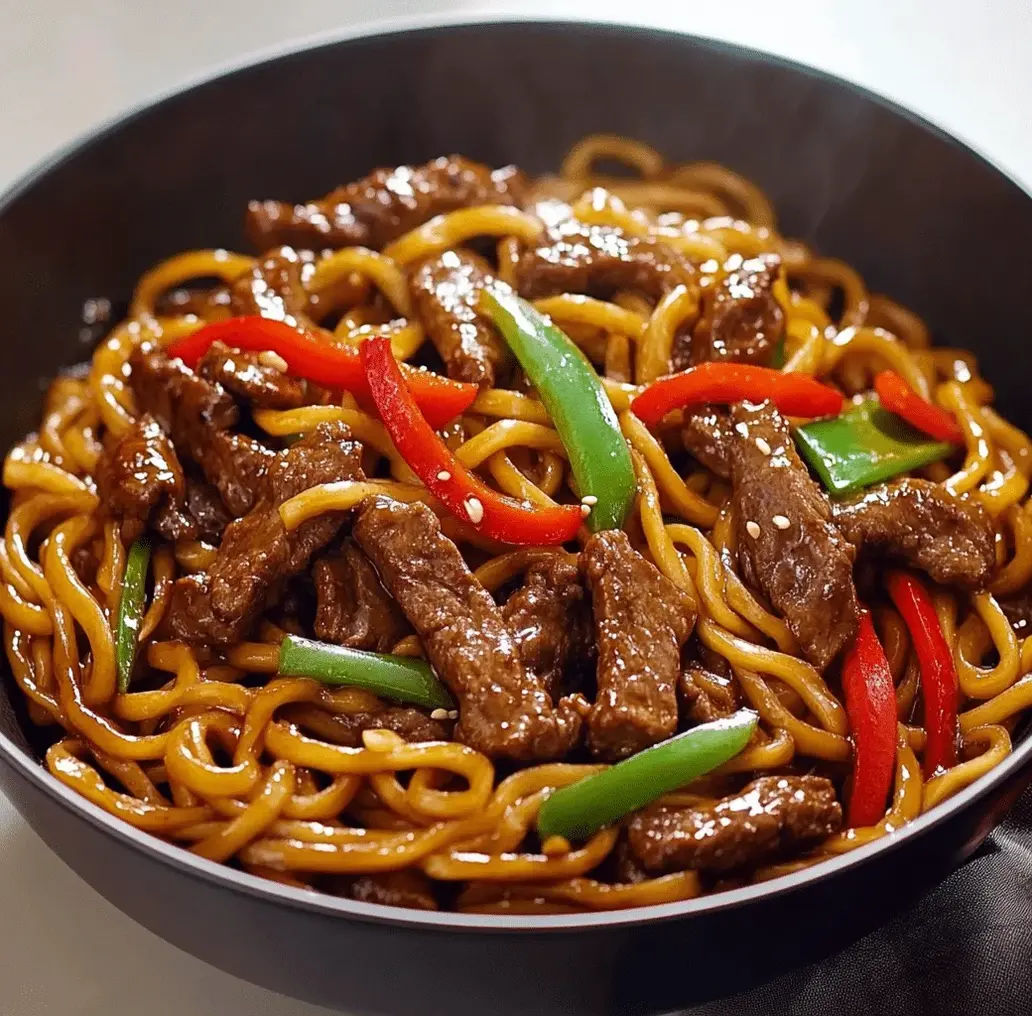
Garnish your finished Mongolian Beef Noodles with the reserved green parts of the scallions for a burst of freshness and color. A sprinkle of toasted sesame seeds adds a nice crunch and aroma. For a complete meal, serve it alongside:
- Steamed or stir-fried broccoli
- A light cucumber salad
- Or simply enjoy it as a hearty standalone meal!
Common Mistakes to Avoid
To ensure your Mongolian Beef Noodles turn out perfectly:
- Overcrowding the pan: This steams the beef instead of searing it, resulting in a less flavorful and potentially tough meat. Cook in batches!
- Using a dull knife: Thinly slicing beef is much easier with a sharp knife.
- Not whisking the sauce well: Ensure cornstarch is fully dissolved before adding it to ensure a smooth, thickened sauce.
- Overcooking noodles: Undercook them slightly (al dente) as they will continue to cook when tossed in the hot sauce.
Storing Tips
Leftover Mongolian Beef Noodles can be stored in an airtight container in the refrigerator for up to 3 days. The noodles might absorb some of the sauce as they sit. When reheating, you can add a splash of water or beef broth to loosen the sauce and restore moisture.
Loved this recipe? Share your experience in the comments below or tag us on social media! Your feedback inspires us to create more delicious dishes!
FAQs
What kind of beef is best for Mongolian Beef Noodles?
Flank steak, sirloin steak, or even tenderloin are excellent choices. The key is to slice them thinly against the grain for maximum tenderness.
Can I make this gluten-free?
Yes! Use tamari or a gluten-free soy sauce substitute, and ensure your oyster sauce is gluten-free (some contain wheat). Use gluten-free noodles like rice noodles or zucchini noodles.
Why is my beef tough?
This can be due to slicing the beef with the grain instead of against it, overcooking the beef, or overcrowding the pan which causes it to steam instead of sear.
How do I get the sauce thicker?
Ensure the cornstarch is fully dissolved in the liquid before adding it to the hot pan. Stirring constantly over medium heat will help it thicken. If it’s still too thin, you can make a cornstarch slurry (1 tbsp cornstarch mixed with 2 tbsp cold water) and whisk it into the simmering sauce.
Can I make this spicier?
Absolutely! Add a pinch of red pepper flakes to the sauce, or a drizzle of sriracha when serving.
Scrumptious Mongolian Beef Noodles for Dinner
If you’re on the lookout for a scrumptious yet quick dinner idea, look no further than these tantalizing Mongolian Beef Noodles.
Ingredients
- 1lb flank steak
- 1/4 cupsoy sauce
- 2 tbspbrown sugar
- 3cloves garlic, minced
- 1 tbspfresh ginger, minced
- 2 tspcornstarch
- 8 ozlo mein noodles
- 1red bell pepper, thinly sliced
- 3green onions, sliced
- 1 tspsesame oil
- 2 tbspcrushed peanuts (optional)
Instructions
- Start by slicing the flank steak thinly against the grain. In a mixing bowl, combine the sliced beef with soy sauce, sesame oil, and cornstarch. Toss well and marinate for 15 minutes.
- Cook the lo mein noodles according to package instructions, then rinse in cold water and set aside.
- Heat a wok over medium-high heat, add oil and stir-fry marinated beef until browned and cooked through. Remove and set aside.
- Add garlic and ginger to the pan, sauté for 30 seconds, then add red bell pepper for 2-3 minutes.
- Mix remaining soy sauce, brown sugar, and water with cornstarch, then pour into the pan until thickened.
- Return cooked beef and lo mein noodles to the pan, toss until well coated in the sauce.
- Garnish with green onions and peanuts, serve hot.
Notes
Feel free to customize recipe with different proteins or vegetables.
Nutrition
- Calories: 450 kcal
- Protein: 25 g
“`
Leave a Reply