“`html
Table of Contents
Affordable and Nutritious Poverty Meal Plan for Every Family
Introduction
Are you struggling to feed your family nutritious meals without breaking the bank? In today’s economic climate, it’s estimated that over 50 million households in the US face food insecurity, often relying on less nutritious, processed foods due to budget constraints. This “poverty meal plan” isn’t about deprivation; it’s about smart, strategic planning to ensure every family member gets wholesome, delicious meals, proving that affordability and nutrition can go hand-in-hand. We’ll guide you through building a pantry, creating a flexible shopping list, and utilizing common, budget-friendly ingredients to create satisfying meals.
Ingredients
The cornerstone of any budget meal plan is versatile, affordable ingredients. Think staples that can be transformed into multiple meals. Here’s a breakdown:
- Grains & Starches:
- Rice (long-grain white or brown): A filling, cost-effective base for countless dishes. Brown rice offers more fiber.
- Pasta (spaghetti, macaroni): Extremely economical and a crowd-pleaser. Opt for whole wheat for added nutrients if budget allows.
- Oats (rolled or steel-cut): Perfect for budget-friendly breakfasts. Look for store brands.
- Potatoes (russet, red): Versatile for mashing, roasting, or adding to stews.
- Bread (whole wheat if possible): For sandwiches, toast, or as a side.
- Legumes:
- Dried Beans (black, kidney, pinto, lentils): Incredibly cheap, high in protein and fiber. Soak dried beans overnight for best results or use canned for convenience (though dried are cheaper in the long run). Red lentils cook fastest.
- Peanut Butter: A good source of protein and healthy fats.
- Vegetables:
- Onions & Garlic: Flavor bases for almost any savory dish. They last a long time.
- Carrots: Sweet, packed with Vitamin A, and affordable.
- Cabbage: Inexpensive, lasts long, and can be used in slaws, stir-fries, or soups.
- Frozen vegetables (peas, corn, mixed vegetables): Often cheaper than fresh, retain nutrients well, and are pre-prepared.
- Canned Tomatoes (diced, crushed): Essential for sauces, soups, and stews.
- Protein Sources:
- Eggs: A complete protein source, incredibly versatile and budget-friendly.
- Canned Tuna/Sardines: Good source of protein and omega-3s.
- Chicken Thighs/Legs: Often cheaper and more flavorful than breasts.
- Tofu (if accessible and affordable): A plant-based protein option.
- Dairy/Alternatives:
- Milk: For drinking, cooking, and cereal.
- Yogurt (plain): Can be used in dips, as a sour cream substitute, or enjoyed on its own.
- Flavorings:
- Salt, Pepper, Basic Spices (e.g., cumin, paprika, garlic powder, onion powder): Essential for making food delicious.
- Bouillon Cubes/Powder: Adds depth of flavor to soups and grains.
- Cooking Oil: Vegetable or canola oil are typically the most affordable.
Timing
Compared to many elaborate recipes, this meal plan focuses on efficiency and using ingredients that require minimal prep or can be cooked in larger batches. The planning aspect is crucial here, making active cooking times much shorter throughout the week.
Step-by-Step Instructions
This isn’t a single recipe, but a framework for creating your weekly meals. Follow these steps to build your affordable and nutritious plan:
Step 1: Plan Your Pantry
Before you even think about shopping, take stock of what you already have. This prevents duplicate purchases and helps you build meals around existing ingredients. Group your items: grains, legumes, canned goods, spices, etc.
Step 2: Build Your Shopping List
Based on your pantry inventory and the ingredients listed above, create a list. Prioritize items that are on sale or are store brands. Plan for at least 5-7 main meals and supplement with simple breakfasts and lunches.
Step 3: Embrace Staples
Base many of your meals around rice, pasta, potatoes, and beans. For example:
- Rice and Beans: A classic for a reason. Seasoned well, it’s delicious and filling. Add a fried egg on top for extra protein.
- Pasta with Lentil Sauce: Cook lentils with canned tomatoes, onions, and garlic for a hearty, meat-free sauce.
- Mashed Potatoes: Serve as a side with a simple protein or as a base for a shepherd’s pie variation using ground meat or lentils.
Step 4: Get Creative with Vegetables
Don’t let vegetables be an afterthought. They add vital nutrients and flavor. Utilize frozen and root vegetables for affordability:
- Vegetable Soup: Use carrots, onions, canned tomatoes, potatoes, and any other leftover veggies. Add beans or lentils for substance.
- Cabbage Stir-fry: Sauté shredded cabbage with onions, carrots, and a splash of soy sauce (if available) or broth. Add rice for a complete meal.
- Roasted Root Vegetables: Toss carrots, potatoes, and onions with a little oil, salt, and pepper and roast until tender and slightly caramelized.
Step 5: Protein Power
Protein is key for satiety and health. Focus on the most affordable sources:
- Omelets/Scrambled Eggs: Quick, cheap, and can be bulked up with leftover cooked vegetables.
- Tuna Patties: Mix canned tuna with a bit of breadcrumb or flour, an egg, and seasonings, then pan-fry.
- Chicken and Vegetable Stew: Use cheaper chicken cuts like thighs and legs, simmer with broth, potatoes, carrots, and onions. This makes for great leftovers.
Step 6: Flavor Boosters
Healthy food doesn’t have to be bland. Use spices, herbs (dried are cheaper), and aromatics like onions and garlic generously. A good broth can elevate simple dishes dramatically.
Nutritional Information
This meal plan is designed to maximize nutrient intake on a budget. Expect meals to be rich in complex carbohydrates, fiber, and essential vitamins and minerals from vegetables and legumes. Protein sources ensure satiety and muscle maintenance. While precise macros vary meal by meal, a balanced plate on this plan would generally aim for:
- Calories: ~1800-2500 kcal per day (adjustable based on individual needs)
- Protein: 15-25% of daily calories
- Carbohydrates: 50-60% of daily calories (prioritizing complex carbs)
- Fat: 20-30% of daily calories (focusing on healthy fats where possible)
Healthier Alternatives
To enhance nutrition without significant cost increases:
- Whole Grains: When possible, opt for brown rice over white, or whole wheat pasta. These offer more fiber and nutrients, promoting better digestion and sustained energy.
- Leaner Proteins: If chicken breasts are surprisingly affordable, choose them over processed meats. For beans, lentils are a fantastic high-fiber, low-fat option.
- Fresh vs. Canned: While canned goods are convenient and often cheaper, if fresh vegetables are on sale (e.g., carrots, cabbage, root vegetables), they are often nutritionally superior and can be stored longer.
- Limit Added Sugars/Fats: Make simple sauces from canned tomatoes and spices rather than pre-made sauces which can be high in sugar and sodium.
Serving Suggestions
Make meals appealing! Even simple dishes can be enhanced:
- Serve rice and beans with a dollop of plain yogurt as a sour cream substitute.
- Garnish simple soups or stews with a sprinkle of fresh (if available) or dried herbs.
- Pair pasta dishes with a side of steamed frozen vegetables for added color and nutrients.
- Turn leftovers into new meals: leftover chicken can become chicken salad, or rice can be fried with leftover vegetables.
Common Mistakes
Avoid these pitfalls to maximize your budget and nutrition:
- Impulse Buying: Stick to your shopping list.
- Over-reliance on Processed Foods: While convenient, they are often less nutritious and more expensive per serving than whole ingredients.
- Food Waste: Plan meals to use up ingredients before they spoil. Cook in batches and freeze portions.
- Skipping Breakfast: A nutritious breakfast can prevent overeating later in the day. Oats are a perfect budget option.
Storing Tips
Proper storage ensures food safety and reduces waste:
- Dry Goods: Store rice, beans, and pasta in airtight containers in a cool, dry place.
- Produce: Onions and potatoes should be stored in a cool, dark, well-ventilated area (not near each other). Cabbage can last for weeks in the refrigerator.
- Leftovers: Cool cooked food quickly and refrigerate within two hours. Store in airtight containers and consume within 3-4 days.
- Freezing: Many cooked meals (soups, stews, rice dishes) freeze well. Portion them for easy reheating.
Conclusion
Creating an affordable and nutritious meal plan is entirely achievable with smart planning, a focus on staples, and a bit of creativity. This poverty meal plan provides a framework to ensure your family eats well without financial strain. By embracing versatile ingredients and minimizing waste, you can nourish your loved ones and foster a positive relationship with food, proving that nutritious eating is accessible to everyone. Start implementing these strategies today and experience the difference!
Loved this budget-friendly meal plan? Share your favorite affordable recipes or tips in the comments below and let’s build a community of savvy home cooks!
FAQs
What are the most cost-effective protein sources?
Dried beans and lentils are incredibly cheap and high in protein. Eggs are also a very budget-friendly complete protein source. Canned tuna and chicken thighs/legs are often more affordable than other meats.
How can I make bland ingredients taste better?
Don’t underestimate the power of aromatics like onions and garlic. Basic spices such as cumin, paprika, garlic powder, onion powder, salt, and pepper can transform simple dishes. Broth cubes or powder also add significant flavor depth to grains and soups.
Is it possible to get enough vitamins and minerals on a tight budget?
Yes, absolutely! Focus on affordable vegetables like carrots, cabbage, and potatoes, and supplement with frozen vegetables like peas and corn. Legumes are powerhouses of nutrients. Planning meals to include a variety of these will ensure you’re getting essential vitamins and minerals.
How do I plan meals for a whole week?
Start by checking your pantry and fridge. Then, look at weekly sales flyers for discounted items. Build your meals around these ingredients, aiming for a balance of protein, grains, and vegetables. Cook in larger batches and plan for leftovers to simplify weekday cooking.
What’s the difference between a poverty meal plan and just a budget meal plan?
While both focus on affordability, a “poverty meal plan” often implies an even more stringent budget, focusing on the absolute cheapest staples and requiring more resourcefulness and cooking from scratch. It prioritizes meeting basic nutritional needs efficiently and economically.
Easy 20-Minute Poverty Meal
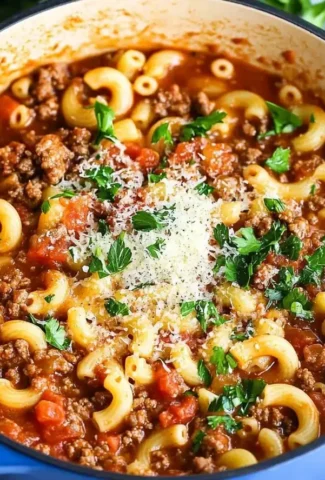
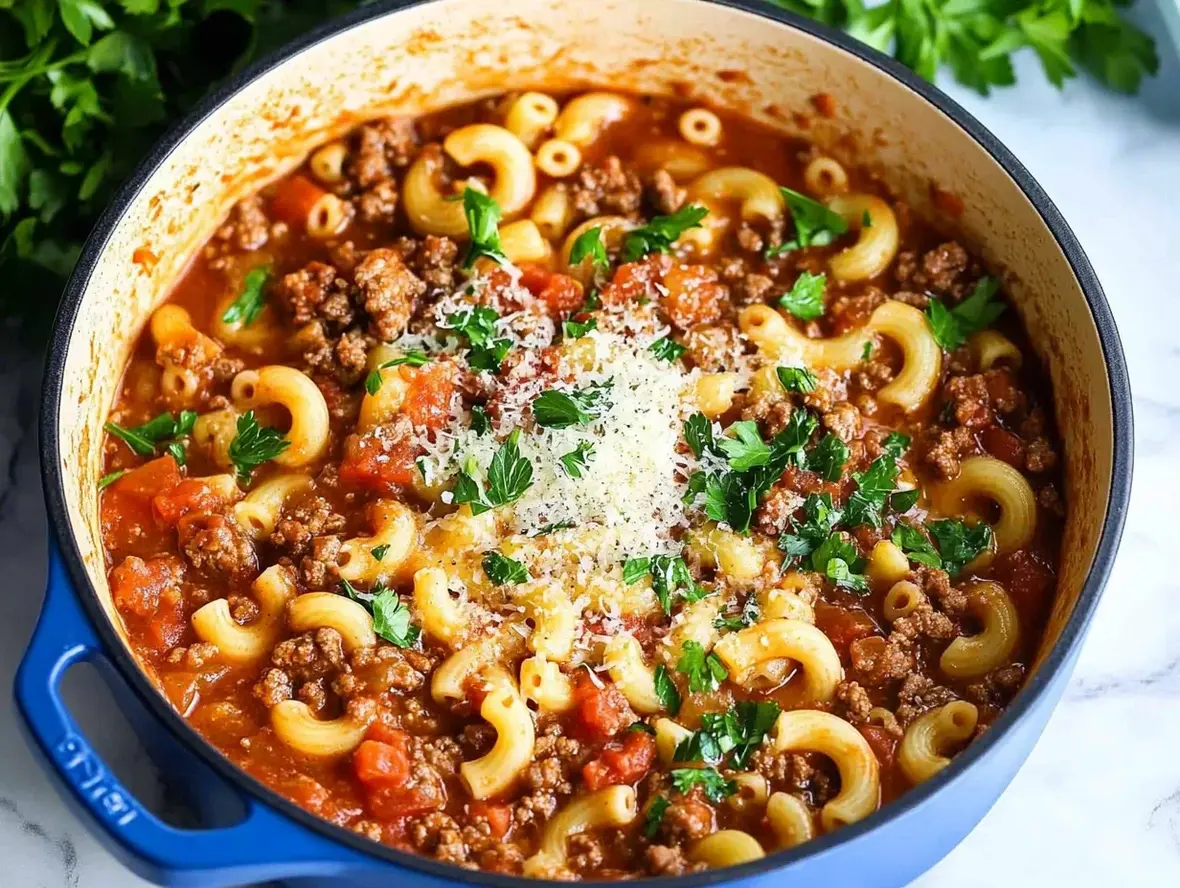
This simple, budget-friendly one-pot dish is perfect for busy nights or when you’re watching your wallet. It’s hearty, comforting, and comes together with just 10 ingredients in only 20 minutes!
Ingredients
- 1 cuponion, chopped2garlic cloves, minced1lb lean ground beef2(15 oz) cans stewed tomatoes (with juice)1(15 oz) can water1 tspdried parsley1 tspdried oregano½ tspred pepper flakes½ tspsaltFreshly ground black pepper, to taste8 ozelbow macaroniFreshly grated Parmesan cheese, for serving
- 2garlic cloves, minced1lb lean ground beef2(15 oz) cans stewed tomatoes (with juice)1(15 oz) can water1 tspdried parsley1 tspdried oregano½ tspred pepper flakes½ tspsaltFreshly ground black pepper, to taste8 ozelbow macaroniFreshly grated Parmesan cheese, for serving
- 1lb lean ground beef2(15 oz) cans stewed tomatoes (with juice)1(15 oz) can water1 tspdried parsley1 tspdried oregano½ tspred pepper flakes½ tspsaltFreshly ground black pepper, to taste8 ozelbow macaroniFreshly grated Parmesan cheese, for serving
- 2(15 oz) cans stewed tomatoes (with juice)1(15 oz) can water1 tspdried parsley1 tspdried oregano½ tspred pepper flakes½ tspsaltFreshly ground black pepper, to taste8 ozelbow macaroniFreshly grated Parmesan cheese, for serving
- 1(15 oz) can water1 tspdried parsley1 tspdried oregano½ tspred pepper flakes½ tspsaltFreshly ground black pepper, to taste8 ozelbow macaroniFreshly grated Parmesan cheese, for serving
- 1 tspdried parsley1 tspdried oregano½ tspred pepper flakes½ tspsaltFreshly ground black pepper, to taste8 ozelbow macaroniFreshly grated Parmesan cheese, for serving
- 1 tspdried oregano½ tspred pepper flakes½ tspsaltFreshly ground black pepper, to taste8 ozelbow macaroniFreshly grated Parmesan cheese, for serving
- ½ tspred pepper flakes½ tspsaltFreshly ground black pepper, to taste8 ozelbow macaroniFreshly grated Parmesan cheese, for serving
- ½ tspsaltFreshly ground black pepper, to taste8 ozelbow macaroniFreshly grated Parmesan cheese, for serving
- Freshly ground black pepper, to taste8 ozelbow macaroniFreshly grated Parmesan cheese, for serving
- 8 ozelbow macaroniFreshly grated Parmesan cheese, for serving
- Freshly grated Parmesan cheese, for serving
Instructions
- 1️⃣Cook the beef and aromatics: In a large skillet over medium-high heat, add the ground beef, chopped onion, and minced garlic. Cook for 5-7 minutes, stirring frequently, until the beef is browned and the onion is translucent. Drain any excess fat if needed.2️⃣Add liquids and seasonings: Stir in the stewed tomatoes (with their juice), 1 can of water, dried parsley, dried oregano, red pepper flakes, salt, and freshly ground black pepper. Mix everything well.3️⃣Incorporate the pasta: Bring the mixture to a boil, then add the elbow macaroni. Reduce the heat to low, cover the skillet, and let it simmer for about 15 minutes, stirring occasionally to prevent the pasta from sticking to the bottom of the pan.4️⃣Serve: Once the pasta is tender and the flavors are melded, remove the skillet from heat. Serve hot, topped with freshly grated Parmesan cheese. Adjust seasoning with additional salt or pepper if needed.
- 2️⃣Add liquids and seasonings: Stir in the stewed tomatoes (with their juice), 1 can of water, dried parsley, dried oregano, red pepper flakes, salt, and freshly ground black pepper. Mix everything well.3️⃣Incorporate the pasta: Bring the mixture to a boil, then add the elbow macaroni. Reduce the heat to low, cover the skillet, and let it simmer for about 15 minutes, stirring occasionally to prevent the pasta from sticking to the bottom of the pan.4️⃣Serve: Once the pasta is tender and the flavors are melded, remove the skillet from heat. Serve hot, topped with freshly grated Parmesan cheese. Adjust seasoning with additional salt or pepper if needed.
- 3️⃣Incorporate the pasta: Bring the mixture to a boil, then add the elbow macaroni. Reduce the heat to low, cover the skillet, and let it simmer for about 15 minutes, stirring occasionally to prevent the pasta from sticking to the bottom of the pan.
- 4️⃣Serve: Once the pasta is tender and the flavors are melded, remove the skillet from heat. Serve hot, topped with freshly grated Parmesan cheese. Adjust seasoning with additional salt or pepper if needed.
Notes
Stretch it further: Add a can of beans (such as kidney or black beans) or frozen vegetables like peas or corn for extra nutrition and servings.Swap it up: Use ground turkey, chicken, or a plant-based ground meat alternative to fit dietary preferences.Storage: Store leftovers in an airtight container in the refrigerator for up to 3 days. Reheat gently on the stovetop or microwave.Cheesy upgrade: Stir in shredded cheddar or mozzarella for an extra cheesy kick.
Swap it up: Use ground turkey, chicken, or a plant-based ground meat alternative to fit dietary preferences.Storage: Store leftovers in an airtight container in the refrigerator for up to 3 days. Reheat gently on the stovetop or microwave.Cheesy upgrade: Stir in shredded cheddar or mozzarella for an extra cheesy kick.
Storage: Store leftovers in an airtight container in the refrigerator for up to 3 days. Reheat gently on the stovetop or microwave.Cheesy upgrade: Stir in shredded cheddar or mozzarella for an extra cheesy kick.
Cheesy upgrade: Stir in shredded cheddar or mozzarella for an extra cheesy kick.
“`
Leave a Reply