Table of Contents
Tiramisu with French‑Chill Technique – The World’s Best Tiramisu
Ever wondered why my friends swear that the tiramisu I make in my Manhattan apartment is the “world’s best” dessert? It’s a blend of a Moroccan kitchen instinct, Parisian culinary precision, and the fast‑lane rhythm of NYC. I first tasted the essence of tiramisu on a rainy Parisian street, where the aroma of espresso blended with sweet mascarpone mingled with the distant scent of fresh bread. Back home in Morocco, I learned to turn humble ingredients into a timeless treat, and now I bring that love into my lap‑shaped apartment, tweaking each step to keep the creamy texture airy and silky. That’s the secret behind this celeb‑level Spanish‑French‑Moroccan fusion recipe, and I’ll walk you through it.
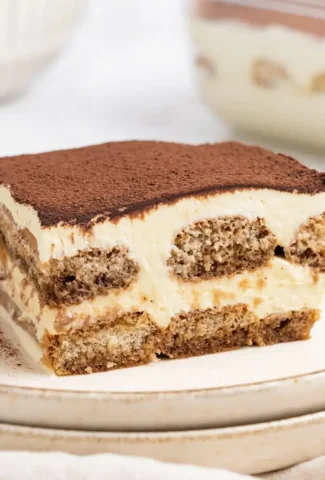
Picture this: a tall glass teacup, an espresso with a slight burn and a sugary kiss, and a sheet of crispy ladyfingers light as a feather. When the espresso soaks the ladyfingers, the foam rises like a soft cloud before you even add the mascarpone layer. The finished tiramisu glistens with a dusting of cocoa, and each bite delivers a soft tremor of espresso, a smooth custard pulse, and a finish that fizzles with airy richness, finishing with a whisper of nutmeg if you’re feeling fancy.
My Colombian sibling once told me it’s “Death by espresso,” but I promise you, this tiramisu is a melody. The best part? I’m going to share a pro tip that saves time: whisk the egg yolks in a double boiler until they cool rapidly by placing the bowl in an ice bath. This technique keeps the yolks from browning and guarantees a silky custard. The usual mistake? Skipping the chill after assembling; this allows the flavors to bloom fully – you’ll lose that heavenly texture. That’s the trick that makes my dessert “so‑hot” every time.
Why This Tiramisu Recipe Is the Best
At its core, the French‑chill technique transforms the mascarpone into a cloud that never collapses. By folding the mascarpone into the cooled yolk cream, I avoid the over‑whipped trap many Italian recipes fall into. The airy custard meets the crisp ladyfingers like a dream concert, producing a texture that is both velvety and buoyant. This approach gives a professional depth of flavor far beyond a simple espresso soak, coaxing out subtle cacao notes.
The texture of this tiramisu relies on a delicate balance of laminated layers. My Paris‑trained hands learned to keep the cream at 75°F, preventing it from setting too soon. The result is a dessert that stays light—no matter how long you keep it cold. That moistness punctuated by crispness makes it a standout, even for even the most discerning dessert lovers.
Even if you’re a novice cook, the method wins because each step is essentially a “do‑it‑right” principle: double boil for gentle heat, whisk to cool, fold gently, and chill overnight. By following these steps you’ll avoid most pitfalls—no gritty texture, no lumpy yolks—making this tiramisu fit comfortably into any New York dinner party.
Tiramisu Ingredients
I love picking ingredients from NYU Downtown Market or my favorite corner shop in Brooklyn. There, I find fresh mascarpone from a local cheese shop that smells like sunshine, and ladyfingers that carry a light crispness reminiscent of street‑side pastries. In Morocco, I’d whiskered down the souk for fresh coffee beans, but here I tuck the blend into the dough to maintain that mellow espresso flavor that’s why this tiramisu feels premium.
Ingredients List
- 6 Egg yolks
- 150 g Granulated sugar
- 500 g Mascarpone (high fat, keep it cold)
- 350 g Heavy Cream (36% fat, keep it very cold – you can replace with equal mascarpone)
- 20 pieces Ladyfinger cookies
- 1 cup Coffee (strong espresso, lightly sweetened)
- Optional: Marsala wine (mix into coffee if you like a deeper note)
- 1‑2 Tbsp Cocoa powder (unsweetened Dutch‑processed for dusting)
Ingredient Spotlight
Mascarpone: This creamy non‑fat product is lusciously rich. When kept cold, it holds its airy structure, creating layers that sit effortlessly atop espresso. I’ve tested buttery mascarpone from a high‑end New York cheese shop, and the texture is pure velvet.
Heavy Cream: If you can’t find cream, use an equal volume of mascarpone. It thickens slower but makes the custard a little denser, which is still delish and easier to whip. In my experience, the vanilla‑infused heavy cream from a Brooklyn buttermilk co‑op heightens the espresso earthiness.
Ladyfingers: These fine sponge cookies absorb espresso but retain their bite. Choose a brand that doesn’t split when soaked— look for those that still feel firm at first bite. I love the classic British brand because its interior is lightly spongy yet sensationally crisp.
Coffee: Freshly brewed espresso is key. I grind beans right before brewing on my stovetop, then let the coffee simmer gently so it carries a robust body but smooth after it cools. A few milky spices, such as a hint of cardamom, keep a Moroccan flavor alive, but you can skip if you wish.
| Original Ingredient | Best Substitution | Flavor / Texture Impact |
|---|---|---|
| Mascarpone | Full‑fat Greek yogurt + cream | Slightly tangy; less airy |
| Heavy Cream | Mascarpone | Tighter custard; more mellow |
How to Make Tiramisu — Step-by-Step
Ready to create an irresistibly silky tiramisu? Follow these steps to keep the creamy texture airy and the espresso bite sharp.
Step 1: Prepare Egg Yolk Mixture
Using a double boiler, whisk the egg yolks and sugar until the sugar is dissolved and the mixture reaches 185°F (85°C). Directly transfer the bowl into an ice bath until it cools to 75°F (24°C). This rapid cooling preserves the custard’s smoothness. 💡 Samantha’s Pro Tip: Use a whisk attachment on a stand mixer to keep the custard uniform.
Step 2: Whip Mascarpone Cream
In a chilled bowl, combine mascarpone and heavy cream. Whip until soft peaks form (~3 min). Do not overwhip, or it becomes runny. ⚠️ Common Mistake to Avoid: Overwhipping the cream creates a collapsed structure that loses its airy quality.
Step 3: Fold Mascarpone into Egg Mixture
Gently fold the whipped mascarpone into the cooled yolk custard with a rubber spatula, preserving the incorporated air. The mixture should feel silky and light. 💡 Samantha’s Pro Tip: Fold in three sections to prevent deflation.
Step 4: Assemble the Tiramisu
Dip ladyfingers one at a time in espresso, letting them soak just until they absorb but not wilt. Layer a single coat of the cream on the bottom of the dish, then repeat with a second coat of soaked ladyfingers. Smooth the top with a spatula. ⚠️ Common Mistake to Avoid: Over‑soaking ladyfingers turns them mushy and loses crunch.
Step 5: Chill
Refrigerate for at least 4 hours, ideally overnight, allowing flavors to meld and the custard to set. Keep the dish wrapped to prevent the top from drying. 💡 Samantha’s Pro Tip: Refrigerate at 36°F (2.5°C) for steadier setting.
Step 6: Serve
Just before serving, dust generously with unsweetened cocoa powder and add a light dusting of freshly ground espresso beans. Slice with a sharp knife for clean portions. 💡 Samantha’s Pro Tip: Lightly chill the serving platter to keep the tiramisu cool.
| Step | Action | Duration | Key Visual Cue |
|---|---|---|---|
| 2 | Whisk yolks & sugar | 10 min | Light golden. |
| 3 | Whip mascarpone | 3 min | Soft peaks. |
Serving & Presentation
To add a little extra flair, sprinkle a pinch of fresh nutmeg on the cocoa dust before serving—a hint that ties back to Morocco’s warm spices. Serve in small individual ramekins to match the elegant tall shape of tiramisu, then drizzle a drizzle of espresso reduction for a glossy finish. Pair with a glass of chilled Prosecco or a French café crème to keep the European vibe alive.
If you’re in New York, consider a side of chic almond biscotti from a local bakery; its crunch complements the creamy layers. The pairing feels like a walk from the street market to the high‑end café, a culinary stroll that enjoys tradition and innovation.
| Pairing Type | Suggestions | Why It Works |
|---|---|---|
| Side Dish | Almond biscotti, crostini | Adds crunch to complement cream. |
| Sauce / Dip | Espresso reduction, dark chocolate sauce | Deepens espresso flavor. |
| Beverage | Prosecco, café crème, espresso | Cleans palate, matches flavor. |
| Garnish | Salted caramel shards, chocolate shavings | Adds texture and depth. |
Make-Ahead, Storage & Reheating
In my fast‑moving NYC days, I often build the tiramisu a few days ahead. To keep the layers intact, I assemble the dessert and refrigerate it in a sealed container, ensuring the top is covered with a layer of plastic wrap. Whenever I need a quick dessert, I retrieve it from the fridge and let it sit at room temperature for 15–20 min before dusting with cocoa.
| Method | Container | Duration | Reheating Tip |
|---|---|---|---|
| Refrigerator | Glass jar with cover | 4 days | Let it warm 15 min before serving. |
| Freezer | Seal‑tight bag | 1 month | Thaw overnight; no heat. |
| Make‑Ahead | Refrigerator | 2 days | Assemble the day before, chill overnight. |
Because I grill the espresso beans myself in the morning, I keep a bag of fresh ground beans right beside my kitchen counter. When reheating, it’s best to avoid heat so the custard doesn’t curdle. I gently stir it with a heated spoon after it has warmed, ensuring the texture stays silky and not dry.
Variations & Easy Swaps
| Variation | Key Change | Best For | Difficulty Impact |
|---|---|---|---|
| Coconut Tiramisu | Swap mascarpone for coconut‑cream; use coconut‑flavored coffee. | Dairy‑free diners. | Easy |
| Gluten‑Free Tiramisu | Use gluten‑free ladyfingers or shortbread. | Gluten intolerant. | Easy |
| Berry‑Infused Tiramisu | Add fresh berries to each layer. | Summer treat. | Medium |
Coconut Tiramisu
I once swapped mascarpone for coconut cream during a brunch event, and the creamy sweetness paired perfectly with a hint of vanilla‑infused espresso. The texture felt lighter, and the coconut flavor echoed the bright aroma of Moroccan street markets packed with coconut sweets from the coast.
Gluten‑Free Tiramisu
Replacing standard ladyfingers with gluten‑free shortbread brought an extra crumbly snap and a buttery sweetness. This swap also allowed me to serve my rising‑star tiramisu at a busy man‑hole office lunch, where many colleagues requested an allergy‑friendly option.
Berry‑Infused Tiramisu
During a spring break trip to Brooklyn, I tossed a handful of fresh blueberries and sliced strawberries into each layer. The berries released a sweet acidity that balanced the espresso, offering a fruity twist that echoed the bright, colorful NYC farmers market, and it became an instant crowd‑pleaser on Instagram.
How long can tiramisu be stored in the refrigerator?
From my experience, tiramisu maintains its silky texture and flavor for up to 4‑5 days when kept properly cooled in the fridge. Store it in an airtight container covered with parchment or plastic wrap. Avoid exposing the top to air, which can let the cocoa dust dry out and form a crust. If you want a longer shelf‑life, avoid over‑cooling or freezing as the cream can lose its airy quality. The best practice is to consume it within 3 days for maximum freshness. When you’re ready to serve, let it sit at room temperature for a few minutes before dusting for the final polish.
Can I make tiramisu ahead of time?
Absolutely! Planning ahead is my secret weapon for NYC’s fast‑paced schedule. Assemble the layers a day or two before the event, then cover them tightly and refrigerate. The custard will firm up, making it easier to slice. Just be sure to whisk a touch of espresso over the top before serving— it helps revive the moisture and brings back that freshly brewed aroma. If you’re still hungry for a quick dessert, let the tiramisu rest at room temperature for 10‑15 minutes before serving. Your taste buds will thank you for the improved consistency.
What dairy‑free alternatives can I use?
For a dairy‑free tiramisu, substitute mascarpone with a custard made from coconut cream or cashew cream, which offers a similar richness. Use vegan heavy cream or a thick soy‑based cream for whipping. Sweeten with maple syrup or agave if preferred. Be aware that the flavor profile will shift slightly toward a sweeter, coconut‑infused or nutty note. The texture remains light, but the egg yolk custard stays pale. This variant is great for guests with lactose intolerance or those who enjoy a plant‑based dessert.
How do I keep the ladyfingers from getting soggy?
The trick is to soak each ladyfinger just long enough to absorb the espresso but not so long that the sponge collapses. Dip them in a shallow cup and let them sit for 3‑5 seconds per side, rinsing after a few. I generally proof each layer, ensuring the first set is just damp, then gently press them against the rim to remove excess. By carefully timing the soak and pressing off, the resulting structure maintains a crisp texture while still delivering a soft base. This method lets the layers stay distinct and prevents a mushy dessert.
What is the best coffee to use?
Choosing the right coffee is key to balancing richness and warmth. I prefer a strong, medium‑roast espresso with subtle chocolate undertones, lightly sweetened with a pinch of sugar or honey. A French press can serve as an alternative if you don’t have an espresso machine; just brew a concentrated cup and let it cool. Avoid instant coffee, as its flat flavor can ruin the dessert’s depth. The best espresso comes from a high‑quality bean farm, optionally adding a touch of cardamom for extra spice—a nod to my Moroccan roots.
Can I freeze tiramisu?
Freezing tiramisu is possible, but the cream can lose its airy texture. If you must freeze, wrap the assembled dish tightly in plastic wrap, then place it in an airtight container or freezer bag. Freeze for no more than one month. Thaw slowly in the refrigerator overnight, then gently stir to re‑incorporate the cream. For those who want a healthier alternative, consider a “no‑freeze” version solely using cold cream (I use chilled dairy). This keeps the custard delightful without compromising texture.
Should I chill the chocolate dust?
Dusting cocoa right before serving is the key to a crisp finish. While it protects the dough from drying out, it also keeps the cocoa from absorbing liquid from the espresso-soaked ladyfingers. I sprinkle a light, even coat and gnaw on the dust for an instant espresso‑cocoa burst. The result is a gentle visual pop and a subtle taste that heightens the dessert’s aroma. If you prefer a thicker layer, re‑dust after letting the tiramisu rest at room temperature— this will keep the dust crisp and prevent a buttery crust.
What other desserts pair well with tiramisu?
Try serving tiramisu alongside a buttery panini or a light lemon tart for a varied palette. A crisp bruschetta with tomato and basil keeps the menu balanced, while a crisp, savory crostini simulates the nuts on the top. A glass of sparkling Prosecco or a subtle white wine complements the espresso notes. When in doubt, add a creamy cookie cake or a fluffy cannoli for extra richness. Mixing textures keeps anticipation alive; you’ll be culturing your guests’ appetite for more.
Is it safe to use raw eggs in tiramisu?
Because my tiramisu uses a warmed custard approach, the eggs reach a safe temperature without complete cooking. To reduce the risk of salmonella, I use pasteurized eggs or pasteurize them in a low‑heat water bath (78°F). I also keep the final custard cool on the double boiler before assembly. These steps assure a safe, silky final product. If you’re particularly cautious, you may opt for a cooked custard base: cook the sugar and eggs gently for 5–6 minutes until a thermometer reads 160°F. It’s a slightly thicker flavor, but it’s safer for home cooks while still delighting taste buds.
How can I add a twist to the classic tiramisu flavor?
Introducing subtle spices or fruit can transform a classic tiramisu into a memorable experience. Twists such as a dash of orange zest, crushed pistachios, or a splash of Chambord add depth and color. Alternatively, infuse your espresso with almond or hazelnut essence for a different nutty profile. On a lighter note, layering fresh berries between the ladyfingers can create a refreshing burst that works beautifully for summer parties. Experimenting with these small additions keeps the core structure intact while letting your personality shine through.
Share Your Version!
I’d love to hear what you think! Drop a star rating and leave a comment below. If you try this tiramisu, snap a photo on Instagram or Pinterest, tag @mykitchenstorie, and let me see your personal spin. Tell me: what ingredient swap did you experiment with that gave the dessert an “extra element” you didn’t expect?
From my NYC kitchen to yours — I hope this recipe brings as much warmth to your table as it does to mine. — Samantha 🧡
Love This Recipe? Save It to Pinterest!
If you enjoyed this Tiramisu recipe, don’t let it get lost in your browser tabs! 😄 Pin it now so you can find it again anytime — and explore hundreds more tried‑and‑tested recipes waiting for you on my Pinterest boards.
👉 Follow Samantha on Pinterest @chefrecipes2
📌 Pin this recipe · 🔁 Re-pin your favorites · 💬 Tag me when you make it — I love seeing your creations!
My Favorite Classic Italian Tiramisu
This authentic Italian Tiramisu features airy ladyfingers soaked in coffee, layered between a silky, enriched mascarpone cream filling and a touch of cocoa on top. Buon Appetito!
Ingredients
- 6 Egg yolk
- 150 g Granulated sugar
- 500 g Mascarpone (high fat, use it cold)
- 350 g Heavy Cream (36% fat, use it very cold – can be substituted with equal amount of mascarpone)
- 20 pieces Ladyfinger cookies
- 1 cup Coffee (mildly sweetened strong espresso to soak the ladyfingers in)
- Marsala wine (Optional. If using, mix into the coffee.)
- 1–2 tablespoons Cocoa powder (Unsweetened Dutch processed to decorate the top)
Instructions
- Prepare the egg yolk mixture: Start by setting up a double boiler. A double boiler consists of two stacked pots: the bottom pot holds simmering water, while the top pot sits above the water without touching it. The steam from the simmering water gently heats the contents of the top pot.Once your double boiler is ready, whisk the egg yolks and sugar together in the top pot over the simmering water. Whisk continuously until the sugar has fully dissolved, which will take about 5 minutes, though the time may vary depending on your bowl size and the water temperature. Keep the heat low to prevent the egg yolks from cooking. The egg yolk mixture is ready when it reaches 85C / 185F.Then, move the egg yolk mixture into a stand mixer fitted with a whisk attachment and whip it until its temperature cools to about 24C / 75F.
- In the meantime, whip together the cold mascarpone and heavy cream with the help of an electric hand mixer until early stiff peaks while the mixture is still airy and fluffy. This will take about 3 minutes. Do not overwhip as it can become runny.
- Then, switch to a rubber spatula and carefully fold the whipped mascarpone into the egg yolk mixture making sure that you don´t break the air we just incorporated into both mixtures. At this point, the cream should be airy and fluffy and it will further set in the fridge.
- Prepare a container (Im using one that measures 18×24 cm / 7×9 inches, but an 8×8-inch pan will work too).
- Dip the ladyfingers into the coffee, then arrange them in a single layer at the bottom of the pan. For my pan, I can fit 10 ladyfingers in the first layer and another 10 in the second layer.
- Spread half of the mascarpone cream on top. Repeat with the next layer, then smooth the top with an offset spatula.
- Refrigerate the tiramisu for at least 4 hours to allow it to set. Before serving, dust with cocoa powder.
- Store any leftovers in an airtight container in the refrigerator for 2-3 days. I dont recommend freezing the tiramisu, as the mascarpone cream doesn't freeze well.
Leave a Reply