Table of Contents
Easy Teriyaki Chicken Bite-Size Sauce – A Sweet & Savory Home‑Made Fix for Busy NYC Nights
Growing up in the bustling markets of Casablanca, I learned early how a simple sauce could turn an ordinary dish into a celebration. Some sixteen years later, while navigating the eclectic produce stalls of Brooklyn, I discovered that fresh, homemade teriyaki sauce carries a nuance of sweetness and umami that stocked‑store versions miss. Today, I’m excited to share my easy teriyaki chicken blend – the “Bite‑Size Sauce” – that marries Moroccan spice intuition with a classic Japanese glaze, creating a quick 30‑minute dinner that’s as comforting as a cup of mint tea in the evening.
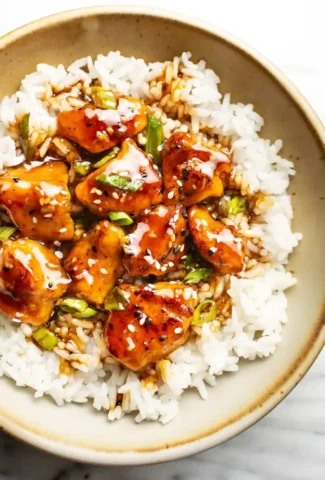
Picture a skillet shimmering with golden cubes of chicken, each bite brimming with a glossy, caramelized glaze that clings to the meat. The aroma is a harmonious dance of soy, ginger, and a whisper of citrus from fresh Tahini pickles I once used in a Moroccan tagine. When you break open a piece, the sauce donates a sweet, slightly tangy burst that pairs beautifully with the tender texture – a hypnotic combination that’s almost too good for the world. Behind this flavor is a simple technique: coating the chicken with a slight cornstarch slurry before searing, which locks in moisture and gives that signature glossy finish.
I’ve refined this bite‑size teriyaki over countless brunches and weekday dinners, and you’ll notice when the sauce forms a sweet glaze that doesn’t separate. The secret? Whisking the sauce ingredients until silky and preventing the pan from overheating—so the sauce thickens just right. A common pitfall is adding the sauce too early, causing it to run thin; I always wait until the chicken is just done browning. With time, you’ll master this quick teriyaki chicken that feels homemade but takes no longer than your busier NYC days allow.
Why This Bite‑Size Sauce Recipe Is the Best
The uniqueness of this recipe lies in its homemade teriyaki sauce, a fresh blend that outshines the typical bottled versions with a deeper umami profile. My Moroccan upbringing taught me that the right balance of sweetness and acid can elevate any dish, and I applied that principle here by blending brown sugar, mirin, and rice vinegar for a caramelized punch that sings on the palate. The result is a chicken that’s tender, flavorful, and unmistakably Amazonian yet globally familiar.
Texture is key: the coarse cornstarch coating gets pressed into the chicken before searing, forming a micro‑crust that seals in moisture. This technique, honed during my time at Le Cordon Bleu’s sauce labs, guarantees a juicy bite every time, preventing the droppiness that plagues most quick stir‑frys. It’s a little trick that changes the entire dining experience.
The recipe is designed for instant confidence. Each step is clear, and the enabling use of a 10‑minute prep plus a brisk 20‑minute cook means you can work around a NYC subway schedule, making it foolproof for beginners, working professionals, or anyone needing a savory meal without the wait.
Teriyaki Chicken Ingredients
I sourced this list from a weekend trip to the Union Square Greenmarket, where fresh chicken and herbs can be found without compromising quality or price. The same staples life throughout my Moroccan palate are now available in the heart of Manhattan, ensuring any apartment kitchen can recreate this dish.
Ingredients List
- 2 chicken breasts (cut into 1″ pieces)
- 1/2 teaspoon garlic powder
- Pepper, to taste
- 3 tablespoons cornstarch
- 3 tablespoons olive oil (divided)
- Garnish (optional): chopped scallions & sesame seeds, to taste
- 1/4 cup brown sugar (packed)
- 1 teaspoon grated fresh ginger
- 2 cloves garlic (minced)
- 3 tablespoons mirin (see note)
- 2 tablespoons soy sauce
- 1 teaspoon rice vinegar (or apple cider vinegar)
- 1/2 cup water
- 1 tablespoon cornstarch (for sauce)
Ingredient Spotlight
Mirin: A gentle Japanese rice wine, mirin provides a subtle sweetness and depth. Look for “Japanese mirin” or “mirin-like sweet rice wine” at local Asian markets. If unavailable, a splash of honey with a touch of rice vinegar can mimic the flavor.
The Chicken: Choose boneless, skinless breasts from a meat market; the fresher the better. If you prefer a leaner cut, substitute with thigh meat, which offers a richer taste due to more intramuscular fat, a touch of Moroccan dakel that sizzles.
Brown Sugar: Use packed brown sugar for a smoother syrup, but white sugar is fine in a pinch. The difference is a slight shift in caramel depth, which can be balanced with a dash of caramel chestnuts you might find at a Lower East Side bakery.
| Original Ingredient | Best Substitution | Flavor / Texture Impact |
|---|---|---|
| Mirin | Honey + rice vinegar | Sweetness reduced, tang added |
| 2 Tbsp Olive Oil | Sesame oil | Nutty aroma, but stronger |
| Brown Sugar | White Sugar + a pinch of molasses | Darker caramel note |
How to Make Bite‑Size Sauce — Step‑by‑Step
The entire cooking plan is a harmonious dance: whisk the sauce, coat the chicken, sear in batches, and unite the flavors right before plating. Follow each step for a flawless, quick teriyaki chicken.
Step 1: Whisk Sauce
In a small bowl, combine brown sugar, mirin, soy sauce, rice vinegar, water, and 1 tablespoon cornstarch. Whisk till the sugar dissolves and a silky mixture forms. The sauce should be glossy but pourable; stir occasionally to avoid lumps.
💡 Samantha’s Pro Tip: Add a pinch of pepper before whisking; it sharpens the sweetness for a balanced glaze.
Step 2: Coat Chicken
Place chicken pieces in a bowl, sprinkle with garlic powder, pepper, and 1 tablespoon of cornstarch. Toss until each bite is evenly coated. The slurry will help develop a crisp crust during searing.
⚠️ Common Mistake to Avoid: Over‑scattering cornstarch; a thick layer will make the crust heavy rather than crisp.
Step 3: Sear First Batch
Heat 2 tablespoons olive oil in a skillet over medium‑high heat. Drop the coated chicken, leaving space between pieces. Cook ~4 minutes, then flip with tongs until the surface browns and reaches 165°F. Remove to a plate – don’t overcrowd the pan.
💡 Samantha’s Pro Tip: Use a well‑heated pan; a squeaky sizzle indicates the oil is ready.
Step 4: Sear Second Batch
Add the third tablespoon of oil, wait for the heat to return. Gently place the second batch of chicken pieces in the skillet; sear for 4 minutes, flip, and finish until evenly browned.
⚠️ Common Mistake to Avoid: Adding too much cheese; keep oil levels moderate or you’ll end up with a greasy product.
Step 5: Add All & Bubble
Return both chicken batches to the skillet. Stir in the pre‑whisked sauce; let it bubble over low heat for a minute or two until thickened. The glaze should coat the meat beautifully – if still thin, let it simmer longer.
💡 Samantha’s Pro Tip: If the sauce starts to separate, add a splash of hot water and whisk vigorously.
| Step | Action | Duration | Key Visual Cue |
|---|---|---|---|
| 1 | Whisk sauce | 5 mins | Smooth, glossy mixture |
| 2 | Coat chicken | 3 mins | Even white coating |
| 3 | Sear first batch | 7–8 mins | Golden brown edges |
| 4 | Sear second batch | 7–8 mins | Radiant sear, no flare |
| 5 | Finish with sauce | 2–3 mins | Coat, glossy sheen |
Serving & Presentation
Plate the teriyaki chicken over a bed of jasmine or long‑grain rice, drizzle any remaining sauce, and scatter thinly sliced scallions and toasted sesame seeds on top. The contrast of the bright scallion green against the golden chicken draws you in.
To heighten the experience, I like to serve it alongside a lightly dressed cucumber salad with a hint of lime. The acidity cuts the sweet sauce, giving a balanced bite akin to a Morocco‑inspired tabbouleh, but in New York form. A dash of grated Apple cider vinegar in the salad echoes the tang in the sauce, creating a full-circle flavor profile.
If you’re craving a low‑carb twist, a cauliflower rice bed replaces jasmine rice, providing the same satisfying mound of carbs while letting the sauce shine.
| Pairing Type | Suggestions | Why It Works |
|---|---|---|
| Side Dish | Steamed bok choy, stir‑fried broccoli, or carrot ribbons. | Fresh greens cut down the sweetness. |
| Sauce / Dip | Honey‑mustard dip, lime vinaigrette, or a simple spicy mayo. | Complementary heat or acid to lighten the glaze. |
| Beverage | Sake, jasmine tea, or a chilled cucumber water. | Silky drinks echo the sauce’s smoothness. |
| Garnish | Fresh cilantro, toasted almond slivers, or pickled radish chips. | Adds texture and a burst of bright flavor. |
Make‑Ahead, Storage & Reheating
Since I juggle late nights and early mornings in NYC, this recipe is perfect for meal prep. Prepare teriyaki chicken the night before and store in an airtight container.
| Method | Container | Duration | Reheating Tip |
|---|---|---|---|
| Refrigerator | Glass jar or BPA‑free plastic | 2‑3 days | Microwave 30‑sec bursts, stir. |
| Freezer | Silicone bag or freezer container | Up to 3 months | Re‑warm in skillet, add splash of water. |
| Make‑Ahead | Separate sauce and chicken | 3‑4 hours in advance | Assemble just before serving. |
When reheated, the sauce may be a bit thicker. A quick dash of rice water, a splash of low‑sodium soy sauce, or a pinch of cornstarch slurry will restore the desired sheen. In my experience, re‑searing a second time for one minute adds freshness.
Variations & Easy Swaps
| Variation | Key Change | Best For | Difficulty Impact |
|---|---|---|---|
| Spicy Chili‑Salsa Mix | Add 1 tsp red chili flakes and 2 Tbsp mango salsa. | Kick‑start evenings. | None |
| Gluten-Free Version | Replace soy sauce with tamari; use a rice noodle base. | All‑day diet compliance. | Minor |
| Seasonal Berry Twist | Stir in 2 Tbsp fresh blueberries during sauté. | Summer vibes. | None |
Spicy Chili‑Salsa Mix
A quick hop from the kitchen to the alley – adding red chili flakes for a pop of heat, and tossing fresh mango salsa during the last simmer lends a bright, tropical surprise that pairs beautifully with the sweet sauce. It’s a playful twist that matches the dynamic rhythm of a Manhattan spring night.
Gluten‑Free Version
Swap regular soy sauce for tamari, which is naturally gluten‑free, and replace the cornstarch thickener with arrowroot powder or a thin slurry of tapioca. The flat‑bread base might be substituted with crispy quinoa. The sauce stays silky, and the dish remains flavorful.
Seasonal Berry Twist
When the local farmer’s market showers blueberry patches, pluck them and fold into the sauce during its final bubble. The fresh berries infuse a subtle tartness that lifts the sweet glaze and offers a refreshing contrast, turning this teriyaki into a January iced‑tea‑vintage treat.
How long does teriyaki chicken stay fresh in the fridge?
Teriyaki chicken can be safely stored in the refrigerator for up to three days in an airtight container. To maintain its flavorful glaze, cover the dish tightly with plastic wrap to prevent drying out. If you plan to eat it later in the week, it’s best to keep it chilled until ready for reheating. For the best flavor and texture, reheat it gently, either in a skillet or microwave, and add a splash of water or soy sauce if the glaze has thickened. Storing it for more than three days can diminish its tender texture, so enjoy it within the recommended window.
Can I use boneless kebab meat instead of chicken breast?
Yes, you can swap chicken breast for boneless turkey or lean flank steak, but be mindful of cooking times. Turkey cooks faster and may dry out if over‑cooked, so keep an eye on its internal temperature. Flank steak requires a bit longer sear time, but the same sauce will still cling beautifully. Adjust the marination or increase the cornstarch coating to retain moisture. The overall flavor profile remains consistent thanks to the balanced sweetness and soy base of the sauce, making this a versatile pantry staple.
What is mirin and can it be substituted?
Mirin is a sweet Japanese rice wine that adds depth and a subtle syrupy sweetness to Asian sauces. If you can’t find it, try substituting roughly one teaspoon of honey with a splash of rice vinegar or bright citrus juice. For a more authentic result, some use a small amount of sake, though the flavor will shift slightly toward a more boozy finish. In a pinch, combine 1 tablespoon of soy sauce, 1 tablespoon of rice vinegar, and 1 teaspoon of sugar to emulate the taste and consistency of mirin in your teriyaki sauce.
Should I use hot or cold rice when serving?
Choosing between hot or cold rice depends on your scene, but many prefer hot jasmine or long‑grain rice to pair seamlessly with teriyaki chicken. Hot rice melts with the glossy glaze, giving you a comforting, “ramen‑style” mouthfeel. If you’re making a salad or take‑out, a chilled quinoa or rice mixture works well for coated bites, giving the dish an elegant, modern vibe. Cold rice steams more resins, which helps keep the sauce from smearing, making it ideal for bagged lunch boxes or roasted vegetables.
Does this recipe work with frozen chicken?
Yes, you can use frozen chicken, but thaw it in the refrigerator overnight to ensure even cooking. Avoid thawing it at room temperature, as it could create uneven heat distribution and jeopardize safety. Once thawed, pat the chicken dry before applying cornstarch and seasoning. This helps maintain an even sear and prevents the sauce from becoming too watery. You can reheat leftover frozen or thawed chicken, but be mindful not to overcook, which can make the texture rubbery.
Can I make this dish in a wok instead of skillet?
Absolutely! Using a wok provides a wider surface area, allowing you to cook larger batches at once and create a “stir‑fried” vibe. Heat the wok over high flame, coat the chicken as usual, and sear each side quickly for a fragrant caramelized finish. Then add the sauce and let it bubble; the broader surface speeds up evaporation, yielding a tighter glaze. Just ensure the heat isn’t too high to avoid burning the sugar; limning mid‑heat after the initial sear keeps the acidity balanced and the texture tender.
Share Your Version!
If you tried this quick teriyaki chicken, I’d love to hear about it. Drop a star rating or comment below, and feel free to share a photo on Instagram or Pinterest, tagging @mykitchenstorie. Tell me: Which ingredient or technique changed the most for you, and how did it influence your final dish?
From my NYC kitchen to yours — I hope this recipe brings as much warmth to your table as it does to mine. — Samantha 🧡
Love This Recipe? Save It to Pinterest!
If you enjoyed this Easy Teriyaki Chicken recipe, don’t let it get lost in your browser tabs! 😄 Pin it now so you can find it again anytime — and explore hundreds more tried‑and‑tested recipes waiting for you on my Pinterest boards.
👉 Follow Samantha on Pinterest @exorecipe
📌 Pin this recipe · 🔁 Re-pin your favorites · 💬 Tag me when you make it — I love seeing your creations!
Did you enjoy this quick teriyaki dinner? Let me know in the comments, share your photo, or ask a cooking question — I’m here to help! Don’t forget to subscribe for more kitchen adventures that blend Moroccan heartbeats with French flair and the hustle of New York.
Easy Teriyaki Chicken
This easy teriyaki chicken recipe has the most tender, delicious chicken bites coated in a sweet teriyaki sauce from scratch. It’s a 30-minute dish that’s better than takeout!
Ingredients
- 2 chicken breasts (cut into 1" pieces)
- 1/2 teaspoon garlic powder
- Pepper (to taste)
- 3 tablespoons cornstarch
- 3 tablespoons olive oil (divided)
- Garnish (optional): chopped scallions & sesame seeds (to taste)
- 1/4 cup brown sugar (packed)
- 1 teaspoon grated fresh ginger
- 2 cloves garlic (minced)
- 3 tablespoons mirin (see note)
- 2 tablespoons soy sauce
- 1 teaspoon rice vinegar (or apple cider vinegar)
- 1/2 cup water
- 1 tablespoon cornstarch
Instructions
- Add the sauce ingredients to a small bowl and whisk together.
- Cut the chicken into about 1" pieces and add it to another bowl. Add the garlic powder and pepper and stir until coated, then add the cornstarch and stir again to coat.
- Add 2 tablespoons of oil to a skillet. Let it heat for a few minutes over medium-high heat. Cook the chicken in 2 batches (don't crowd the pan). Cook the chicken for 4 minutes and then flip (I use tongs to make it easy) and cook for another 3-4 minutes or so. Chicken should be browned and cooked through (165F). Transfer chicken to plate. For the second batch, I add another tablespoon of olive oil to the pan.
- Once the second batch of chicken is done, add the chicken that's on the plate back to the pan. Stir in the sauce and let it bubble for a minute or so, until thickened. Serve immediately over rice with scallions & sesame seeds sprinkled on top.
Leave a Reply