Table of Contents
Old-Fashioned Whipped Cream Cake Folded Whipped Cream Technique – A Simple, Light and Fluffy Surprise
I still remember the first time I combined velvety cream with flour and sugar in my grandmother’s kitchen in Fez, feeling the hum of the Sahara air and the aroma of frankincense. Back in Paris, I refined that secret by folding in whipped cream just before baking to keep the batter airy. Now, in the hustle of Brooklyn, I bring that same whimsy to the Old-Fashioned Whipped Cream Cake, ensuring every bite is a cloud‑like anthem of vanilla and lightness.
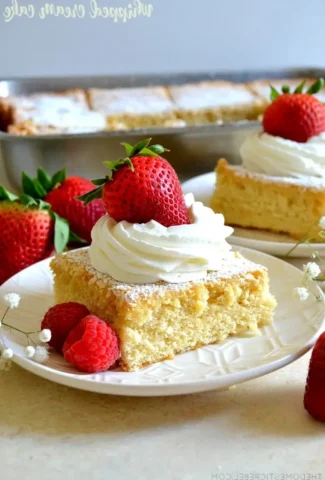
The cake’s surface glistens like a pearl‑coated sunrise, the crumb proving tender yet subtly dense thanks to the folded cream. When sliced, the interior releases a gentle steam of sweet vanilla that dances around the cooler bakery aroma. Each bite is a silky voyage, where the richness of cream meets the airy bite powered by the folded technique, a marriage that satisfies both the nose and the palate.
In my culinary journey, I’ve seen countless cakes that look lovely but sink into the kitchen. My version keeps the foundation simple: fold the cream gently to trap air, whisk the eggs until pale, and bake low to preserve moisture. A frequent mistake is overmixing the batter, which squashes the trapped air and yields a denser cake; blend just until no streaks remain.
Why This Old-Fashioned Whipped Cream Cake Recipe Is the Best
The flavor secret lies in the folded whipped cream; it’s a Parisian technique that I learned in Le Cordon Bleu and then whisked out of my brunches in the Upper East Side. Adding it at the last moment preserves the airy texture, giving a buttery vanilla base that feels indulgent without being heavy.
The texture is perfected by whisking eggs until they reach a pale lightness, using a stand‑set mixer at low speed. I also use an inexpensive, heat‑proof 9 x 13 pan, so the batter cools evenly and the interior stays moist, not chewy — all critical for a silky crumb.
And even for a beginner, the recipe steps are breezy: no flamboyant timing, no need for advanced gluten. Collect the ingredients, fold the cream gently, and bake at 325°F. The entire process takes about 50 minutes, a bargain for a complex taste.
Whipped Cream Cake Ingredients
I’m proud to say all my ingredients are sourced from a downtown farmer’s market in Astoria. I still pick fresh vanilla beans from the local stall, and the cream comes from a nearby yogurt shop that I trust for its artisanal quality.
Ingredients List
- 4 large eggs
- 2 cups granulated sugar
- 2 teaspoons vanilla extract
- 2 cups all‑purpose flour
- 1 teaspoon baking powder
- 1/4 teaspoon salt
- 1 cup heavy whipping cream
- Optional: fresh whipped cream, confectioners sugar or berries for garnish
Ingredient Spotlight
Heavy Whipping Cream: The key for fluffiness. Look for a fat content of 36% and a smooth mouthfeel. A substitute is half‑fat cream, which gives a slight tang but maintains lift.
Granulated Sugar: Use light white sugar for sweet precision; don’t plug in raw cane sugar unless you want a botanical nuance. Unsweetened powdered sugar can work if you want a crystalline finish.
All-Purpose Flour: Opt for a brand with a protein content about 10–12%. The alternative is cake flour; it reduces gluten formation but can be too fragile for a folded batter.
| Original Ingredient | Best Substitution | Flavor / Texture Impact |
|---|---|---|
| Heavy Cream | Half‑fat Cream | Less rich, slightly crunchy bite |
| Granulated Sugar | Raw Sugar | Caramel notes; slightly moister crumb |
| All‑Purpose Flour | Cake Flour | Ultra‑soft crumb; risk of crumbling |
How to Make Old-Fashioned Whipped Cream Cake — Step-by-Step
Take it slow, keep it smooth, and fold with care. The process will feel like a gentle hug from a street chef in Marrakech.
Step 1: Preheat the Pan
Set the oven to 325°F and leave the 9×13 pan ready. Light the pan on the stove over medium heat for 30 seconds so the batter doesn’t crack upon release. Keep a cooling rack nearby for quick access.
💡 Samantha’s Pro Tip: Pre‑warming the pan allows the batter to settle evenly, preventing a lumpy batter and preserving moisture.
Step 2: Whip the Cream
Combine the heavy cream, sugar, and vanilla extract in a chilled bowl. Whisk on high speed until stiff peaks rise, about 5–7 minutes. The mixture should be like firm clouds before adding to the batter.
⚠️ Common Mistake to Avoid: Overwhipping can cause the cream to break into butter; stop whisking as soon as peaks stand firm.
Step 3: Assemble the Batter
In a separate bowl, whisk eggs, sugar, and vanilla until pale, 2 minutes. Add flour, baking powder, and salt; stir till blended. Gently fold in the whipped cream, stirring just enough to combine. Pour batter into the prepped pan, smoothing the top.
💡 Samantha’s Pro Tip: Use a rubber spatula for the final fold; this preserves the air pockets and prevents clumps.
Step 4: Bake the Cake
Bake 30–40 minutes, or until a toothpick comes out clean. The cake should be golden on top and a light pink center. Let it cool completely on a wire rack before cutting.
⚠️ Common Mistake to Avoid: Opening the oven early pulls the batter’s temperature and can cause uneven browning.
Step 5: Serve
Dust with confectioners sugar or drizzle fresh berries. Present on a platter with a drizzle of citrus zest for a final flourish. A squeeze of lemon will brighten flavors and add a hint of acidity.
💡 Samantha’s Pro Tip: A splash of lemon or lime juice brings brightness; pour about ½ teaspoon over the top.
| Step | Action | Duration | Key Visual Cue |
|---|---|---|---|
| 1 | Preheat the pan | 30 sec | Pan heated, not browned |
| 2 | Whip the cream | 5–7 min | Stiff peaks form |
| 3 | Assemble batter | 3 min | Smooth top |
| 4 | Bake | 30–40 min | Golden tops |
| 5 | Serve | Immediate | Crushed sugar dust |
Serving & Presentation
I love plating these cakes with a swirl of fresh berries, a drizzle of lemon curd, and a dusting of powdered sugar. Imagine a bright, candy‑colored crumb juxtaposed with the pale white surface. In NYC, I often serve this at brunch tables, where the gentle aroma of vanilla seduces guests.
For a nod to my Moroccan roots, sprinkle a pinch of ground sumac on top for a subtle tang that plays off the sweetness. If you’re in the Markets of Brooklyn, grab fresh strawberries or blueberries from the corner vendor and frame them as natural foam. Pair it with a glass of lightly sparkling Champagne or a crisp Riesling — the fresh acidity balances the sweet crumb.
| Pairing Type | Suggestions | Why It Works |
|---|---|---|
| Side Dish | [Light salad with citrus dressing, toasted almond slices] | Bright acidity cuts sweetness. |
| Sauce / Dip | [Vanilla beurre blanc, lemon curd] | Reinforces vanilla theme. |
| Beverage | [Sparkling wine, rosé, champagne] | Fizz lifts flavors. |
| Garnish | [Fresh berries, mint leaves, edible gold flakes] | Visual contrast & aromatic lift. |
Make-Ahead, Storage & Reheating
In the rhythm of Manhattan, I prep these cakes ahead for blocks of family brunches. Cook them in advance, let cool, then chill early on the day of service. I’ll dust lightly with sugar and store in a cool, dry place.
| Method | Container | Duration | Reheating Tip |
|---|---|---|---|
| Refrigerator | Airtight container | 3–4 days | Rephrase with 300°F for 10 min, cover with foil. |
| Freezer | Laminated zip‑lock | 1–2 months | Thaw overnight, bake 320°F 20min. |
| Make‑Ahead | Prep batter, keep ready | Up to 2 days | Assemble just before baking; keep in fridge. |
When reheating, the trick is resting the cake in a lightly oiled pan. Fail to do so and the frosting begins to bubble, ruining that pristine finish. My go-to is a gentle reheat, 190°F, 5–8 minutes, covering loosely with foil to keep moisture in.
Variations & Easy Swaps
| Variation | Key Change | Best For | Difficulty Impact |
|---|---|---|---|
| Chocolate Variant | Replace 1/4 cup cocoa with flour | Chocolate lovers | Same Difficulty |
| Gluten‑Free / Dairy‑Free | Use gluten‑free blend + oat milk | Allergy lovers | Easy Slight |
| Spiced Twist | Add 1 tsp cardamom & saffron | Seasonal mood | Easy Slight |
Chocolate Variant
Swap 1/4 cup of the flour for cocoa powder, keep the folded cream for that airy finish, and finish with dark chocolate shavings. A subtle hint of mango freezes well in the northeast breeze.
Gluten‑Free / Dairy‑Free
Replace all‑purpose flour with a blend of rice, tapioca, and potato starch, and use oat or dairy‑free milk. The crumb stays moist, though the texture becomes a bit more sponge‑like. Test in the summer at a Paris farmer’s market for fresh fruits to toss on top.
Spiced Twist
Fold in 1 teaspoon of ground cardamom and a dash of saffron for a warm, exotic flavor that reminds me of evenings in Marrakech. The subtle spice balances the vanilla richness, making it perfect for a winter brunch.
What does “folding in whipped cream” mean?
Folding in whipped cream is a gentle mixing technique where you gently stir the dry batter with the whipped cream using a rubber spatula and slow, deliberate motions until the two are fully incorporated without deflating the air bubbles. It preserves the light, aerated texture and keeps the cake airy instead of dense. By folding just enough to blank out visible streaks, you maintain those soft peaks that create a cloud‑like crumb. It’s often used in chiffon and sponge cakes to achieve an optimal fluffiness.
How do I keep the cake from drying out?
Keeping the cake from drying out stems from a combination of low oven temperatures, proper pan selection, and quick removal from heat. Bake at 325°F and avoid opening the door until the cake is done; premature splashes of cold air can break the crust and cool the interior too quickly. Use a 9 x 13 pan lined with parchment and lightly greased, to let the batter breathe. Cooling on a wire rack allows steam to escape, preventing a soggy bottom, while keeping the crumb soft. Also ensure you do not leave the cake turned in the fridge too long after slicing, as it rewinds moisture.
Keeping the cake from drying out stems from a combination of low oven temperatures, proper pan selection, and quick removal from heat. Bake at 325°F and avoid opening the door until the cake is done; premature splashes of cold air can break the crust and cool the interior too quickly. Use a 9 x 13 pan lined with parchment and lightly greased, to let the batter breathe. Cooling on a wire rack allows steam to escape, preventing a soggy bottom, while keeping the crumb soft. Also ensure you do not leave the cake turned in the fridge too long after slicing, as it rewinds moisture.
Can I use non‑fat milk instead of heavy cream?
Non‑fat milk will defeat the core principle of this recipe: a light, fluffy crumb. Heavy cream gives the necessary fat content to support air incorporation and give the cake a velvety mouthfeel. Using non‑fat milk would yield a denser, more bread‑like outcome and negate the airy lift that folded cream provides. If you need a lighter density, half‑fat cream or even a kombucha‑based dairy alternative could be considered, but the flavor profile will shift noticeably.
How long can I store the cake and keep it fresh?
In an airtight container, this cake remains at best quality for up to four days if refrigerated. If you’ve pre‑made it and simply want to keep it for a longer season, flash‑freeze it in a zip‑lock bag. When defrosted, reheat to 300°F for 5–10 minutes to slow the re‑shrinking of crumb sugar. The crumb profile stays intact, and the moisture levels return to a soft finish. I always store the cake in a cool location away from direct sunlight or heat; a pantry or a neatly closed cabinet works best.
What’s the best way to top the cake during the holiday season?
During holidays, contrast the soft, vanilla crumb with a festive topping. Toasted almond slivers, a scatter of candied citrus bits, or a drizzle of ganache make each slice feel celebratory. Add edible gold leaf or a dusting of pink sugar for sparkle. Pair the cake with spiced mulled wine or fortified dessert wines, creating a warm, aromatic pairing. Don’t forget to give your guests a clean cutter or tiny cake slicer so they can enjoy each piece comfortably.
Why should I use a 9×13 pan for this cake?
A 9 x 13 pan lets the batter spread evenly so that each slice is uniform in thickness. The almond‑shaped pan’s edges help maintain moisture by providing a controlled surface area, rather than a cookie‑sheet pan, which can become too open. The rectangle shape also makes for easier cutting and sharing, especially for brunch or holiday gatherings. By using a 9 x 13 pan and lining it properly, you keep the cake from sticking during the baking process and ensure a consistent bake.
Is there a quick version of this recipe?
Yes, you can add an “instant” twist by using a pre‑mixed cake mix and folding in whipped cream instead of making the batter from scratch. Combine one box of vanilla cake mix with 3 eggs, 1 cup heavy cream, and 1/4 cup sugar. Whisk until fluffy, fold in beaten cream, pour into a greased pan, and bake at 325°F for 30 minutes. While not as refined, the result will still result in a fluffy, silky cake, especially with the added whipped cream layer for lightness.
Can I freeze individual slices?
Freezing single squares or ramekins works, but not as efficiently as freezing the whole cake. If you bake the cake, let it cool completely, then slice into square portions. Place each square on a parchment sheet to prevent sticking, then freeze for up to 2 weeks. Reheat in the oven at 300°F for 5 minutes, or warm them in a microwave for 20–30 seconds. The heat might slightly compress the sugar, but the overall sugars do remain soft, preserving the cake’s core moisture.
Which type of sugar imparts the best flavor?
Granulated sugar is neutral enough to complement the vanilla, while raw or unrefined sugar add a subtle caramel flavor, giving the cake a more complex, subtropical blanket. A midsize sugar or a powdered sugar mix gives a fine texture. For an authentic Moroccan twist, try using a small amount of honey sugar or a drizzle of rose‑water. Each sugar type releases its own aromatic profile that aligns with the delicate vanilla base, enriching the overall taste profile.
What should I do if the cake leaks when I slice it?
Leaks usually indicate that the cake was sliced too soon. Let it cool on a wire rack for at least an hour; this allows the interior moisture to redistribute. The crumb should solidify slightly, making for a neat cut. If you’re forced to slice earlier, use a serrated knife and apply even pressure to minimize crumbling. If leaks persist, the batter may be too liquid — consider adjusting the flour or reducing the liquid for next time.
Share Your Version!
Drop a star rating in the comments, tell me how your cake turned out, or ask for tweaks if you’re a first‑timer. I’m excited to see your creative spins on this light, fluffy masterpiece.
Post a photo of your rendition on Instagram or Pinterest and tag @mykitchenstorie. Make sure to share your garnish ideas or flavor twists—I’d love to sprinkle those ideas into my next post.
From my NYC kitchen to yours — I hope this recipe brings as much warmth to your table as it does to mine. — Samantha 🧡
Love This Recipe? Save It to Pinterest!
If you enjoyed this Old‑Fashioned Whipped Cream Cake recipe, don’t let it get lost in your browser tabs! 😄 Pin it now so you can find it again anytime — and explore hundreds more tried‑and‑tested recipes waiting for you on my Pinterest boards.
👉 Follow Samantha on Pinterest @chefrecipes2
📌 Pin this recipe · 🔁 Re-pin your favorites · 💬 Tag me when you make it — I love seeing your creations!
✨ Got a recipe tweak or a favorite pairing? Let me know in the comments below! ✨
Old-Fashioned Whipped Cream Cake

This Old-Fashioned Whipped Cream Cake will soon become a new family favorite! Easy and delicious, it comes together quickly and tastes amazing with a light and fluffy texture, a moist crumb, and a delectable vanilla flavor.
Ingredients
- 4 large eggs
- 2 cups granulated sugar
- 2 teaspoons vanilla extract
- 2 cups all-purpose flour
- 1 teaspoon baking powder
- 1/4 teaspoon salt
- 1 cup heavy whipping cream
- Additional fresh whipped cream (confectioners sugar or berries for garnish, optional)
Instructions
- Preheat oven to 325 degrees F. Liberally grease a 9×13 rectangular baking pan with cooking spray; set aside.
- In a medium bowl, beat the heavy whipping cream with a mixer until stiff peaks form, about 5-7 minutes. Set aside. Meanwhile, cream together the eggs, sugar, and vanilla with the mixer in another large bowl until pale and fluffy, about 2 minutes. Add in the flour, baking powder, and salt until well blended. Fold in the whipped cream gently until fully incorporated and no streaks of whipped cream remain. Pour into the prepared baking pan.
- Bake for approximately 30-40 minutes or until a toothpick inserted near the center comes out clean or with moist crumbs. Cool completely before cutting into squares. Dust with confectioners' sugar if you'd like and serve up with more fresh whipped cream and fresh berries.
Leave a Reply