Table of Contents
Mongolian Ground Beef Noodles – Quick & Flavorful Bowl
Growing up in the bustling streets of Marrakesh, I learned early that a dash of spice could transform a humble dish into a celebration. A few years later, my culinary school days in Paris taught me the importance of sauce balance—sweet, salty, umami—all in harmony. Now, settled in the rhythm of New York City, I blend those lessons into a quick Mongolian Ground Beef Noodles that turns a weeknight into a family‑friendly feast. The key secret? A sweet‑savory homemade sauce that sings against tender linguine, a technique I perfected halfway between the Marro‑Gauntlets of Marrakech and the savory kitchens of my culinary school.
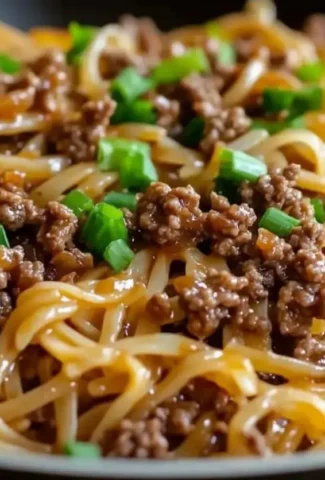
Imagine steaming linguine clinging to glossy sauce, each bite offering a caramelized bite of brown sugar, the savory depth of soy and hoisin, a subtle warmth from freshly ground ginger and black pepper, and a bright finish from a splash of beef broth. The aroma is a fragrant whirlwind of garlic, ginger, and that unmistakable, sweet‑spicy note that awakens the senses. The texture is a playful contrast: slick noodles, silky sauce, and that satisfying snap of green onions when you break them just before eating—each element completes the others like a perfectly balanced symphony.
My classmates in Paris praised this version for its “quick‑fire” character, and my parents in Morocco still ask me why I claim to make “It’s almost like simmering a tajine in minutes”. A pro tip I always share: keep your skillet hot so the beef browns fast without steaming, and add the cornstarch slurry in one go to avoid clumps. A common mistake is over‑cooking the noodles—stir them gently with the sauce at the end, and your linguine will stay al dente, just like it should be.
Why This Mongolian Ground Beef Noodles Recipe Is the Best
The flavor secret lies in the harmonious dance of sweet brown sugar and bold soy, a combination I first experimented with in a Paris bistro after a Marseille Sunday market. Cutting edge French technique of quick caramelization gives the sauce a deep, molasses‑like depth, setting it apart from ordinary stir‑fry sauces.
Perfected texture is achieved by first browning the beef before adding aromatics, locking in flavor and maintaining a juicy bite. The final toss with rinsed linguine allows every strand to soak without becoming mushy—an approach I refined at a famous Michelin‑starred kitchen where textural integrity was paramount.
Foolproof & Fast: In under twenty minutes you can serve a restaurant‑style dish, making it ideal for busy New York families. The reheating preserves flavor, and the dish tastes slightly better the next day, a testament to its robust, well‑balanced profile.
Mongolian Ground Beef Noodles Ingredients
I hand‑pick these ingredients at the West Village farmer’s market, where local beef passes quality checks on the spot, and at specialty shops in Queens for the classic sauces that carry a hint of East‑Asian heritage.
Ingredients List
- 1 lb ground beef
- 5 cloves garlic, minced
- ¼ cup brown sugar
- ¼ cup beef broth
- ⅓ cup soy sauce
- 3 Tbsp hoisin sauce
- ½ tsp ground ginger
- ½ tsp ground black pepper
- Pinch of red pepper flakes (optional)
- 10 oz linguine
- 1 Tbsp cornstarch
- 2 Tbsp water
- 4 green onions, sliced for garnish
Ingredient Spotlight
Ground Beef – Choose a fat ratio of 80/20 for the best flavor. Look for a fresh, dark‑red cut where the fat is seen as tiny amber specks. If you’re craving less fat, substitute with ground turkey or a lean pork blend—taste will stay robust but with a lighter finish.
Hoisin Sauce – This thick, pungent sauce is the backbone of the sweet‑savory profile. If unavailable, mix a teaspoon of oyster sauce with a splash of balsamic vinegar. The slight acidity balances the sweetness.
Linguine – The wide flat shape captures sauce evenly. For a gluten‑free version, swap for a high‑protein buckwheat noodle; it won’t change flavor but will add a nutty note.
| Original Ingredient | Best Substitution | Flavor / Texture Impact |
|---|---|---|
| Ground Beef 1 lb | Ground Turkey 1 lb | Lighter, less fat; slightly milder flavor |
| Hoisin Sauce 3 Tbsp | Oyster Sauce 1 Tbsp + Balsamic Vinegar ½ Tbsp | Adds acidity, reduces sweetness slightly |
| Linguine 10 oz | Buckwheat Noodles 10 oz | Nutty flavor, higher protein, gluten‑free |
How to Make Mongolian Ground Beef Noodles — Step-by-Step
Start with pasta; the noodles are the canvas that carries our bold sauce.
Step 1: Cooking the Linguine
Bring a large pot of salted water to a rolling boil. Add linguine and cook for 8–9 minutes until al dente. Reserve a cup of pasta water, then drain and set aside.
💡 Samantha’s Pro Tip: Toss the drained noodles with a splash of olive oil to prevent sticking before you add sauce.
Step 2: Browning the Beef
Heat a large skillet over medium heat. Add ground beef, breaking it apart with a spatula. Cook until browned and crumbly, about 5‑6 minutes. Drain excess grease.
⚠️ Common Mistake to Avoid: Sautéing at low heat dries the beef; keep the pan hot for a quick sear.
Step 3: Adding Aromatics
Stir in minced garlic; sauté for 1 minute until fragrant. Add brown sugar, beef broth, soy sauce, hoisin sauce, ground ginger, black pepper, and red pepper flakes if using. Stir until all flavors combine.
💡 Samantha’s Pro Tip: Reduce the sauce a few minutes beforehand to thicken core flavors before adding the slurry.
Step 4: Making the Slurry
In a small bowl, whisk cornstarch with water to make a smooth slurry. Pour this into the skillet, stirring constantly. The sauce will thicken in 2‑3 minutes.
⚠️ Common Mistake to Avoid: Adding too much slurry at once leads to clumps—add steadily and whisk!
Step 5: Tossing the Noodles
Return the cooked linguine to the skillet. Toss with noodles until glossy and coated. If the sauce is too thick, add a little reserved pasta water to reach desired consistency.
💡 Samantha’s Pro Tip: Lift the skillet with tongs to help the noodles glide under sauce without breaking.
Step 6: Garnishing
Scatter sliced green onions over the top. Serve hot straight from the skillet. The fresh crunch balances the sweet‑savory depth.
⚠️ Common Mistake to Avoid: Adding the green onions too early; wait until just before serving to keep them bright.
| Step | Action | Duration | Key Visual Cue |
|---|---|---|---|
| 1 | Cook linguine | 8–9 min | Al dente bite |
| 2 | Brown beef | 5‑6 min | Chunks turning brown |
| 3 | Add aromatics | 2 min | Garlic golden |
| 4 | Add slurry | 2‑3 min | Sauce thickens |
| 5 | Toss noodles | 1 min | Noodles shiny |
| 6 | Garnish & serve | 30 sec | Fresh green onions |
Serving & Presentation
Plate the noodles on a wide bowl, swirling the sauce so the glossy sheen catches the light. The color contrast from black pepper specks and bright green onions gives a vibrant look reminiscent of a Moroccan tile pattern. Spoon a little extra sauce over the top for a glossy finish.
Pair this quick beef noodle bowl with a crisp, chilled glass of white wine such as a lightly oaked Chardonnay or an aromatic Riesling to cut the richness. If you prefer beer, a pale ale or a ginger‑lime IPA will complement the spices beautifully. For a festive touch, serve with a side of lightly sautéed bok choy or a fresh cucumber salad.
| Pairing Type | Suggestions | Why It Works |
|---|---|---|
| Side Dish | Green bean almondine | Crunchy contrast |
| Sauce / Dip | Hoisin‑based peanut sauce | Rich umami boost |
| Beverage | Pale ale or Riesling | Refreshes palate |
| Garnish | Roasted sesame seeds | Adds nutty aroma |
Make-Ahead, Storage & Reheating
I love prepping this dish ahead for my long Mondays. Cooking the sauce and noodles earlier, then assembling a fresh bowl before the workday, keeps the texture just right.
| Method | Container | Duration | Reheating Tip |
|---|---|---|---|
| Refrigerator | Airtight ceramic dish | 1 day | Microwave 2 min, stir |
| Freezer | Vacuum pack | 3 months | Reheat + splash water |
| Make‑Ahead | Separate pipe‑through, foil | 3 days | Assemble fresh, quick stir |
When reheating from frozen, I always add a splash of water or broth to keep the sauce thin—just a tablespoon is enough to revitalize silky texture.
Variations & Easy Swaps
| Variation | Key Change | Best For | Difficulty Impact |
|---|---|---|---|
| Swap beef for shrimp | Use ½ lb shrimp | Seafood lovers | Easy |
| Gluten‑free sauce | Use tamari instead of soy | Gluten‑free diners | Easy |
| Add mushrooms | Saute sliced shiitake | Earthy depth | Moderate |
Shrimp Supreme
For a seafood twist, start by searing ½ lb peeled shrimp with garlic and lemon zest. Toss the shrimp in the same sweet‑savory sauce; the result carries the same brisk flavor while delivering a briny bite that works beautifully with Spanish red wine.
Gluten‑Free Adventure
Replace soy sauce with tamari and use a gluten‑free noodle such as rice or shirataki. The sauce thickens just as well, giving you a crunchy noodle feel while making the dish safe for wheat‑sensitive guests.
Midsummer Mushroom Symphony
Add a handful of sliced shiitake or cremini mushrooms with the beef, letting them brown for a caramelized texture. The earthy undertones mingle with the sweet‑savory sauce to create a flavor profile that echoes a bustling NYC farmer’s market harvest.
What is the origin of Mongolian Ground Beef Noodles?
Mongolian flavors in this dish aren’t from Mongolia itself, but from the typical ingredients found in Mongolian cuisine—ginger, birch sap, spicy chili flakes—combined with the classic Asian sweet‑savory sauce. The dish actually originates from American adaptations of Mongolian beef recipes that have become popular in the 21st‑century fusion food scene. I love how the sweet soy‑hoisin base keeps it accessible while reflecting a modern, global kitchen vibe that a New York chef appreciates.
How long does this dish keep in the refrigerator?
After cooking, let the noodles cool to room temperature and then refrigerate in an airtight container. It stays fresh for up to 24 hours, though for the best texture I recommend eating it within 12 hours. If you find the sauce thickened, a quick splash of hot water or broth can loosen it back to a silky sheen. Because this dish is heavily sauced, storage works well, but do keep it separated from raw foods.
Can I use quinoa instead of linguine?
Yes, quinoa or steel‑cut rice can replace linguine for a lower‑carb version. Cook the grains separately following package instructions, then toss them in the sauce just before serving. The texture will be slightly firmer, but the sauce will cling beautifully. Make sure the quinoa is well drained to avoid a gummy base, and lightly sauté it with a teaspoon of olive oil for extra flavor.
What’s the best way to release excess sauce for leftovers?
When reheating thick leftovers, add a splash of beef broth or simple hot water to thin the sauce. Stir well and let it sit for about a minute; the sauce re‑absorbs and comes back to silky consistency. A quick pan‑sauté with the sauce on medium-low for 2–3 minutes also helps pull the flavor back into the noodles. If you prefer a lighter texture, try adding a light lime juice for a slight tang.
Should I add any vegetables to the dish?
Adding vegetables is optional but recommended for balance and nutrition. Soybeans, bok choy, or sliced bell pepper pair excellently. Cook the veggies lightly in the skillet—just 1–2 minutes—before adding the sauce, so they stay crisp and vibrant. For a quick side, a handful of steamed broccoli or roasted carrots works beautifully and keeps the dish colorful and healthy.
Is there a vegan version of this recipe?
Absolutely! Swap the ground beef for crumbled tempeh or lentils, use a plant‑based broth, and replace the hoisin sauce with a homemade sweet soy sauce. The sweet‑savory profile stays intact, while the texture of the noodles remains silky. Just remember to sear the tempeh or lentils until golden; that added crunch is the vegan version’s secret to a Mughal‑style flavor.
How much sugar does the dish contain?
According to my nutrition estimator, the full recipe hits 12 grams of sugar—mostly from the brown sugar and hoisin sauce. That’s roughly the amount of sugar in a small sweetened beverage. You can reduce it by cutting the brown sugar in half or using a sugar‑free hoisin variant, keeping the flavor bright without overwhelming sweetness.
What can I use to thicken the sauce if I forget the cornstarch?
If you’re short on cornstarch, a small pinch of flour is a quick substitute. Mix it with cold water to create a slurry before adding it to the pan, just like with cornstarch. This thickening approach works, though flour may require slightly longer to eliminate raw taste. For an even smoother finish, blend a tablespoon of cooked white rice into the sauce; the starch will thicken naturally while adding subtle creaminess.
Can I microwave this dish?
Yes, microwaves are convenient for reheating. Place the portion in a microwave‑safe bowl, cover loosely, and heat on high for 1‑2 minutes. Stir carefully, then add a splash of water or broth to keep the sauce from drying out. Microwaves vary, so keep an eye to avoid over‑cooking; the goal is to revive the silky sauce without making the noodles mushy.
What’s the best way to serve leftovers warm?
Use a skillet: just re‑heat the soup‑like sauce, then add the noodles back in for a minute to re‑warm. If you prefer a quick fix, pop the dish in a heat‑proof bowl in the microwave, then finish with a quick sauté of the sauce to restore its glossy texture. I love dipping the spoon into a flame‑heated wok, letting the residual heat lift the noodles to a simmer before sprinkling the fresh green onions.
Share Your Version!
I’d love to hear how this recipe brightened your night. Drop a star rating and comment below—your feedback keeps me cooking and sharing. Take a photo and share it on Instagram or Pinterest, tagging @mykitchenstorie to showcase your creation to my foodie community.
Next, what twist would you add? Maybe a drizzle of smoked paprika or a splash of citrus? Tell me in the comments—this conversation keeps my creative chef’s heart beating.
From my NYC kitchen to yours — I hope this recipe brings as much warmth to your table as it does to mine. — Samantha 🧡
Love This Recipe? Save It to Pinterest!
If you enjoyed this Mongolian Ground Beef Noodles recipe, don’t let it get lost in your browser tabs! 😄 Pin it now so you can find it again anytime — and explore hundreds more tried-and-tested recipes waiting for you on my Pinterest boards.
👉 Follow Samantha on Pinterest @exorecipe
📌 Pin this recipe · 🔁 Re-pin your favorites · 💬 Tag me when you make it — I love seeing your creations!
Mongolian Ground Beef Noodles
This Mongolian Ground Beef Noodles dish is a quick and flavorful meal combining savory ground beef, a rich and slightly sweet sauce, and tender linguine. It’s perfect for a weeknight dinner thats both satisfying and easy to make.
Ingredients
- 1 lb ground beef
- 5 cloves garlic, minced
- 1/3 cup brown sugar
- 1/4 cup beef broth
- 1/3 cup soy sauce
- 3 tablespoons hoisin sauce
- 1/2 teaspoon ground ginger
- 1/2 teaspoon ground black pepper
- Pinch of red pepper flakes (optional for a spicy kick)
- 10 oz linguine
- 1 tablespoon cornstarch
- 2 tablespoons water
- 4 green onions, sliced for garnish
Instructions
- Begin by cooking the linguine according to the package instructions. Once cooked, drain and set aside.
- In a large skillet, cook the ground beef over medium heat until it is browned and cooked through. Drain any excess fat.
- Add the minced garlic to the browned beef and cook for about 1 minute until fragrant. Stir in the brown sugar, beef broth, soy sauce, hoisin sauce, ground ginger, ground black pepper, and red pepper flakes if using. Stir well to combine all the flavors.
- In a small bowl, mix the cornstarch with water to create a slurry. Add this mixture to the skillet and stir until the sauce thickens, about 2-3 minutes.
- Once the sauce has thickened, add the cooked linguine to the skillet. Toss the noodles in the sauce until they are well coated.
- Garnish the dish with sliced green onions and serve hot.
Leave a Reply