“`html
Table of Contents
- What Makes Miso Glazed Eggplant So Irresistible?
- Ingredients for Flavorful Miso Glazed Eggplant
- Timing is Everything
- Crafting Your Miso Glazed Eggplant
- Nutritional Snapshot
- Healthier Twists on Miso Glazed Eggplant
- Serving Suggestions: Elevate Any Plate
- Common Pitfalls to Avoid
- Storing Your Delicious Creation
- Frequently Asked Questions
Flavorful Miso Glazed Eggplant Recipe to Impress
What Makes Miso Glazed Eggplant So Irresistible?
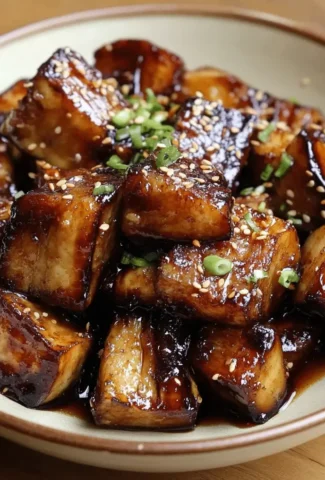
Are you searching for a side dish that’s bursting with savory, sweet, and umami flavors, capable of transforming a simple meal into an extraordinary culinary experience? In a world saturated with predictable vegetable preparations, the quest for truly exciting and deeply satisfying options can feel endless. Yet, this Miso Glazed Eggplant recipe offers exactly that: a dish so intensely flavorful and wonderfully textured that it consistently delights palates and garners universal acclaim. Studies show that introducing complex umami flavors, like those found in miso, can significantly enhance food enjoyment and satisfaction. This recipe masterfully balances the richness of eggplant with the salty, fermented depth of miso, creating a harmonious symphony of taste that makes it an absolute showstopper. It’s not just a side dish; it’s an experience.
Ingredients for Flavorful Miso Glazed Eggplant
The beauty of this dish lies in its simplicity, relying on a few key ingredients to create an explosion of flavor. Here’s what you’ll need:
The Star: Eggplant
- 2 medium eggplants (about 1-1.5 lbs total): Look for firm, glossy eggplants with smooth skin. Japanese or Chinese eggplants are ideal due to their thinner skins and fewer seeds, but regular globe eggplants will also work beautifully. Remove the stems.
The Magic Miso Glaze
- 3 tablespoons white miso paste (Shiro Miso): This is the heart of the glaze! White miso is milder and slightly sweeter, perfect for balancing with other flavors. Feel free to experiment with yellow miso for a slightly bolder taste, or red miso for a more intense, earthy profile.
- 2 tablespoons mirin (sweet Japanese rice wine): Mirin adds a lovely sweetness and glossy sheen. If you don’t have mirin, you can substitute with 1.5 tablespoons of sake (or dry white wine) plus 0.5 tablespoon of sugar, or even 2 tablespoons of dry sherry with 0.5 tablespoon of sugar.
- 1 tablespoon soy sauce (or tamari for gluten-free): Provides essential saltiness and depth. Use low-sodium if you want to control the saltiness further.
- 1 tablespoon maple syrup or honey: For a touch of sweetness that caramelizes beautifully. Maple syrup offers a slightly different, richer sweetness.
- 1 teaspoon grated fresh ginger: Adds a zesty, warming kick that brightens the glaze.
- 1 teaspoon rice vinegar: A little acidity to cut through the richness.
Aromatics & Cooking Oil
- 1 tablespoon neutral cooking oil (like vegetable, canola, or avocado oil): For sautéing and helping the eggplant brown.
- 1-2 cloves garlic, minced (optional): For an extra layer of aromatic flavor.
Optional Garnishes
- Toasted sesame seeds: For a nutty crunch and visual appeal.
- Thinly sliced green onions: For a fresh, sharp bite and a pop of color.
- A pinch of red pepper flakes: For a hint of heat.
Timing is Everything
Most recipes for roasted or pan-fried eggplant take around 30-45 minutes total. Our Miso Glazed Eggplant fits perfectly within this average, offering a high reward for a moderate time investment, making it an excellent choice for a weeknight dinner or a special occasion.
Crafting Your Miso Glazed Eggplant
Follow these simple steps to create a side dish that’s truly unforgettable.
Step 1: Prepare the Eggplant to Perfection
Begin by washing your eggplants thoroughly. Trim off the stem and cut them into bite-sized pieces. For medium eggplants, cutting them into 1-inch cubes or thick ½-inch rounds usually works best. If you’re using globe eggplants, you might want to peel them if the skin is particularly tough, but Japanese or Chinese varieties are often best left unpeeled for their tender skin. One common trick to reduce oil absorption and potential bitterness is to sprinkle the cut eggplant pieces with salt and let them sit for about 20-30 minutes, then pat them dry. However, for this recipe, we’re aiming for that melt-in-your-mouth texture, so we’ll skip the salting step to retain maximum moisture and creaminess.
Step 2: Whisk Together the Umami-Rich Miso Glaze
In a small bowl, combine the white miso paste, mirin, soy sauce, maple syrup (or honey), grated ginger, and rice vinegar. Whisk vigorously until you have a smooth, luscious glaze. Make sure there are no clumps of miso paste. Taste the glaze and adjust seasonings if needed – perhaps a touch more sweetness or a splash more soy sauce for saltiness. This is where the magic begins!
Step 3: Cook the Eggplant to Tender Brilliance
Heat the neutral cooking oil in a large skillet or wok over medium-high heat. Once the oil is shimmering, add the prepared eggplant pieces. If you’re using garlic, add it now and sauté for about 30 seconds until fragrant, being careful not to burn it. Cook the eggplant, stirring occasionally, for about 8-10 minutes. You want the eggplant to start softening and developing golden-brown sear marks. Don’t overcrowd the pan; cook in batches if necessary to ensure proper browning. This searing step is crucial for texture and flavor development.
Step 4: Glaze and Give it a Final Flourish
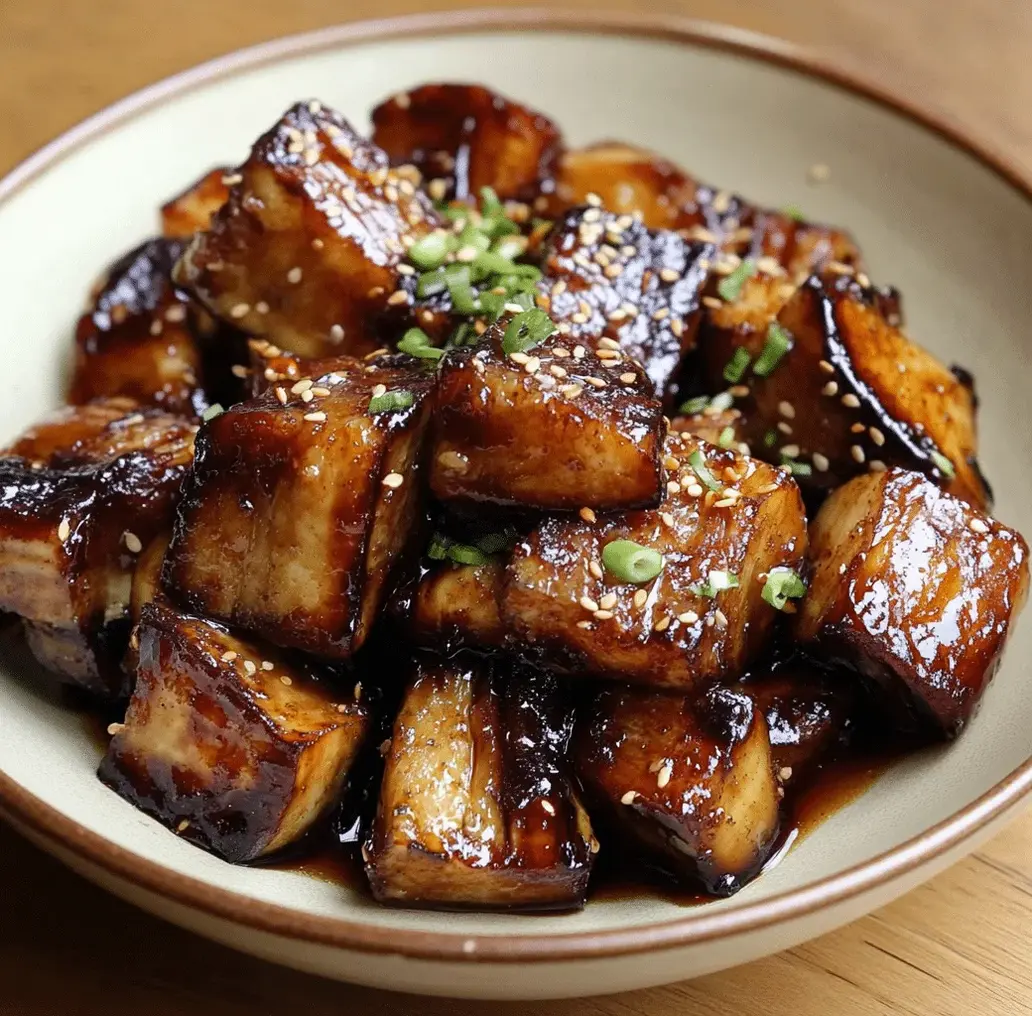
Once the eggplant is tender and nicely seared, reduce the heat to medium-low. Pour the prepared miso glaze over the eggplant in the skillet. Stir gently to coat all the pieces evenly. Cook for another 2-4 minutes, allowing the glaze to thicken and cling to the eggplant, creating that beautiful, sticky sheen. Be careful not to overcook at this stage, as the sauce can burn quickly. Once the glaze is glossy and the eggplant dishes out perfectly tender, remove from heat. Transfer the glorious miso glazed eggplant to a serving dish and sprinkle with toasted sesame seeds, sliced green onions, and red pepper flakes if desired. Serve immediately and watch it disappear!
Nutritional Snapshot
While nutritional values can vary based on exact ingredient amounts and brands used, a typical serving of Miso Glazed Eggplant is:
- Calories: Approximately 150-200 kcal
- Protein: 3-5g
- Fat: 8-12g (mostly healthy fats from cooking oil)
- Carbohydrates: 15-20g
- Fiber: 4-6g
Eggplant itself is a good source of fiber and beneficial antioxidants. The fermentation process in miso paste also contributes to its gut-friendly properties.
Healthier Twists on Miso Glazed Eggplant
Looking to make this delicious dish even lighter? Here are a few simple swaps that keep the flavor profile intact:
- Reduce Oil: Instead of pan-frying, consider air-frying or baking the eggplant. Toss the eggplant cubes with just 1-2 teaspoons of oil and roast at 400°F (200°C) until tender and lightly browned, then toss with the glaze. Or use a non-stick skillet and a minimal amount of oil.
- Omit Added Sweeteners: If your mirin is quite sweet, you might find you don’t need the extra maple syrup or honey. Taste the glaze first!
- Low-Sodium Soy Sauce: Opting for a low-sodium soy sauce or tamari can significantly reduce the sodium content.
- Spice it Up: Add a pinch of sriracha or a dash of chili garlic sauce to the glaze for heat without extra fat or sugar.
Serving Suggestions: Elevate Any Plate
This Miso Glazed Eggplant is incredibly versatile. It shines as a:
- Side Dish: Pairs wonderfully with grilled salmon, teriyaki chicken, stir-fried noodles, or plain steamed rice.
- Appetizer: Serve warm with toothpicks or chopsticks for an easy, flavorful starter.
- Bowl Component: Add it to grain bowls with quinoa, brown rice, avocado, and your favorite protein.
- Vegetarian Main: Serve over a bed of fluffy rice or noodles for a satisfying vegetarian meal.
Common Pitfalls to Avoid
Even simple recipes can have small traps. Here’s what to watch out for:
- Overcrowding the Pan: This leads to steamed, soggy eggplant instead of beautifully seared, tender pieces. Cook in batches if needed!
- Not Cooking Eggplant Enough: Undercooked eggplant can be tough and unappealing. Ensure it’s fork-tender before adding the glaze.
- Burning the Glaze: The sugar in the glaze can caramelize and burn quickly. Keep the heat moderate when adding the glaze and cook just until thickened.
- Using Old Miso: While miso is fermented, very old or improperly stored paste can lose its vibrant flavor. Ensure your miso is fresh for the best results.
Storing Your Delicious Creation
Leftover Miso Glazed Eggplant can be stored in an airtight container in the refrigerator for up to 3 days. The flavors meld beautifully overnight. Reheat gently in a skillet over low heat or in the microwave until warmed through. Be aware that the texture might soften slightly upon reheating.
Frequently Asked Questions
***What kind of miso is best for this glaze?***
White miso (Shiro Miso) is generally recommended for its mild, slightly sweet, and less pungent flavor, which complements the eggplant beautifully. However, yellow miso can also be used for a slightly deeper taste, and red miso for a very robust, earthy flavor. Start with white for the best balance.
***Can I make this recipe vegan?***
Yes! This recipe is naturally vegan if you use maple syrup. If you substitute honey for maple syrup, it would not be vegan. Ensure your mirin or any other sweetener used is also free from animal products.
***Why is my eggplant not absorbing the flavor?***
This can happen if the eggplant isn’t cooked long enough to become tender, or if the glaze is too thick. Ensure the eggplant is soft and yielding before adding the glaze, and that the glaze is smooth and pourable. Searing the eggplant well also helps it absorb flavors better.
***Can I make this gluten-free?***
Absolutely. Simply substitute the soy sauce with tamari, which is a gluten-free soy sauce alternative. Ensure your mirin is also gluten-free if necessary.
***Is it okay to leave the skin on the eggplant?***
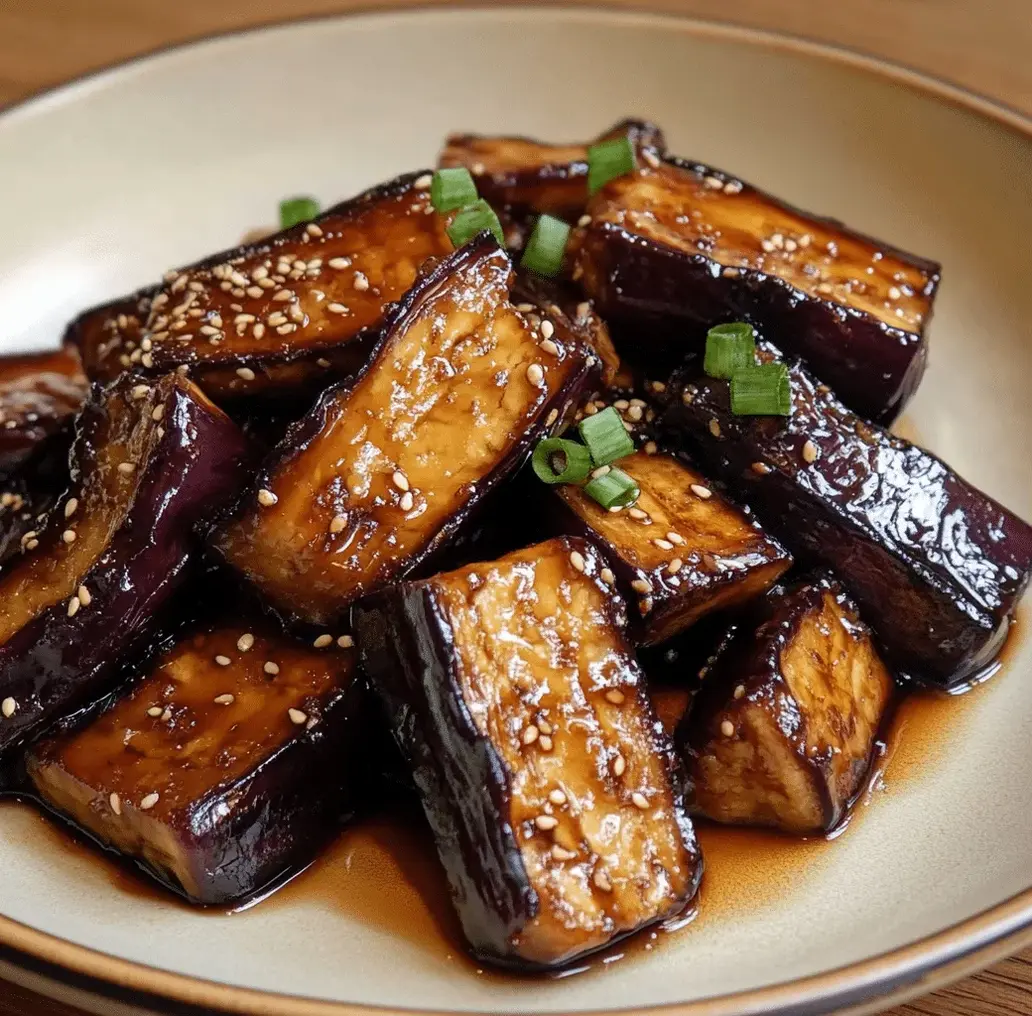
Yes, especially with Japanese or Chinese eggplants, the skin is tender and adds a pleasant texture. For larger globe eggplants, peeling is optional if you prefer a softer texture.
Don’t just take our word for it! Try this Flavorful Miso Glazed Eggplant recipe and let us know how it turned out in the comments below! We love to hear about your culinary adventures.
Flavorful Miso Glazed Eggplant Recipe to Impress
This Miso Glazed Eggplant is a flavorful side dish that elevates any meal.
Ingredients
- 1large eggplant, cut into1-inch cubes
- 2 tbspolive oil
- Salt and pepper, to taste
- For the Miso Glaze:
- ¼ cupwhite miso paste
- 2 tbspmirin
- 1 tbspsoy sauce
- 1 tbsphoney
- 1 tspgrated fresh ginger
- 1clove garlic, minced
- Optional Garnish:
- Sesame seeds
- Chopped green onions
Instructions
- Begin by setting your oven to 400°F (200°C). Preheating is crucial for achieving those perfectly roasted, golden-brown edges on the eggplant.
- In a large bowl, toss the cubed eggplant with olive oil, salt, and pepper. Ensure every piece is well-coated.
- Spread the seasoned eggplant cubes onto a baking sheet in an even layer. Roast for 20–25 minutes, flipping partway through.
- While the eggplant is roasting, combine miso paste, mirin, soy sauce, honey, grated ginger, and minced garlic in a bowl.
- Once the eggplant is tender, remove it from the oven and generously brush the miso glaze over it.
- Return the eggplant to the oven for an additional 5–7 minutes to caramelize the glaze.
- Sprinkle with sesame seeds and green onions before serving.
Notes
Ensure even-sized eggplant pieces for uniform cooking.
Nutrition
- Calories: 180 kcal
- Protein: 4 g
“`
Leave a Reply