“`html
Table of Contents
Authentic Italian Sunday Sauce Recipe
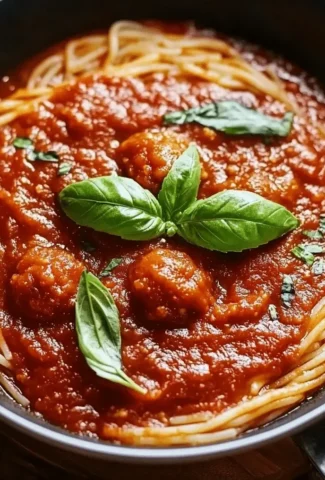
Did you know that traditional Italian Sunday Sauce can simmer for 5-8 hours, infusing the kitchen with an aroma that signals family and comfort? This rich, hearty sauce, often called ‘Gravy’ by Italian-Americans, is more than just a meal; it’s a culinary tradition. Made from the freshest ingredients, it’s perfect for pasta nights and versatile enough for various dishes. Let’s dive into creating this timeless classic!
What is Authentic Italian Sunday Sauce?
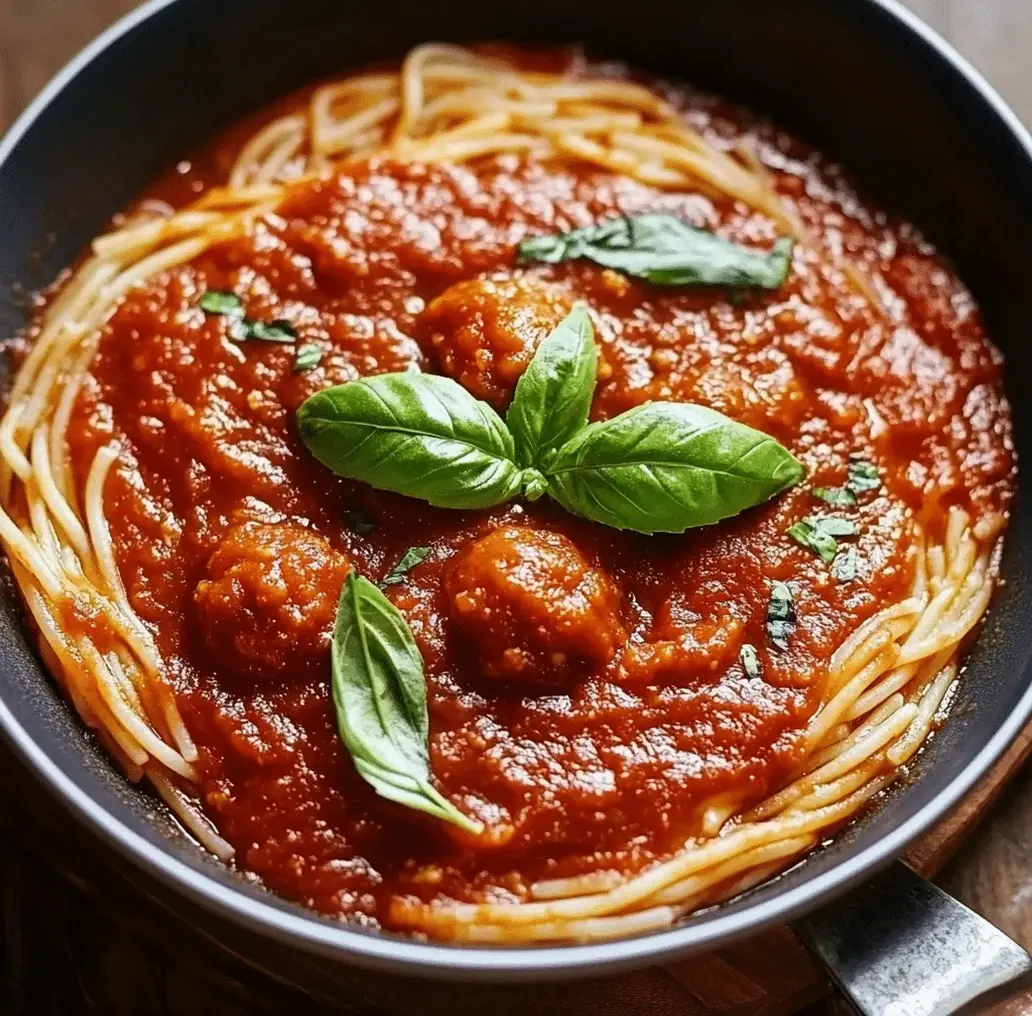
Authentic Italian Sunday Sauce, often referred to as “sugo della domenica” in Italy or “gravy” by many Italian-Americans, is a slow-cooked meat and tomato sauce that is a cornerstone of Italian-American cuisine. Unlike a quick marinara, Sunday Sauce is a labor of love, characterized by its deep, rich flavor profile developed through hours of simmering with a variety of meats. It’s the kind of sauce that fills your home with an irresistible aroma and brings people to the table. It’s meant to be made in large batches, a tradition passed down through generations, signaling warmth, family, and celebration.
Authentic Italian Sunday Sauce Ingredients
The magic of a truly authentic Sunday Sauce lies in the quality and variety of its ingredients. Don’t skimp here – it’s what makes the difference! Here’s a breakdown:
Meat Options (Choose 2-3 for best flavor complexity)
- Italian Sausage: (Sweet or Hot) Adds a spicy, herbaceous kick and flavorful fat. Look for good quality, pork-based sausage.
- Pork Ribs or Pork Shoulder: These tougher cuts break down beautifully during the long simmer, becoming incredibly tender and adding richness.
- Beef Braciole: Thinly pounded beef rolled with cheese, garlic, and herbs. It infuses the sauce with incredible flavor and becomes a special treat when served.
- Meatballs: Homemade meatballs (beef, pork, or a mix) are a classic addition. Ensure they are browned well before adding to the sauce.
- Chicken Pieces: Often bone-in thighs or drumsticks. They add a different layer of savory flavor.
Aromatics and Vegetables
- Olive Oil: A generous amount of good quality extra virgin olive oil for sautéing.
- Onions: (Yellow or Sweet) Finely chopped, they provide a sweet base.
- Garlic: Minced or thinly sliced, for that essential pungent aroma. Use plenty!
- Optional: Carrots and Celery: Finely diced (mirepoix) can add subtle sweetness and depth, though not always traditional in every family recipe.
Tomatoes: The Heart of the Sauce
- Crushed Tomatoes: (2-3 large cans, 28-32 oz each) Use high-quality San Marzano or Italian-style crushed tomatoes for the best flavor and texture.
- Tomato Paste: (2-3 tablespoons) This concentrates the tomato flavor and adds a deep umami richness. Toasting it briefly is key!
- Optional: Tomato Puree or Passata: For a smoother texture if desired.
Liquids and Seasonings
- Red Wine: (1 cup) A dry red like Chianti, Merlot, or Cabernet Sauvignon adds complexity and helps tenderize the meat.
- Beef or Chicken Broth: (1-2 cups) Adds depth and ensures the sauce doesn’t become too thick.
- Fresh Basil: A generous bunch, added towards the end for bright flavor.
- Fresh Parsley: Chopped, for garnish and a touch of freshness.
- Dried Oregano: A teaspoon for that classic Italian herb note.
- Bay Leaves: (2-3) For subtle aromatic depth during simmering.
- Salt and Black Pepper: To taste.
- Optional: Pinch of Sugar: To balance acidity if tomatoes are particularly tart.
- Optional: Red Pepper Flakes: For a hint of heat.
Optional Additions
- Parmesan Rinds: Added during simmering, these impart incredible umami and depth. Remove before serving.
- A splash of Red Wine Vinegar at the end can brighten the flavors.
Timing Your Italian Sunday Sauce
This isn’t a weeknight dinner! Authentic Sunday Sauce requires patience. Typical recipes often call for at least 4 hours of simmering, with many families letting it go for 6-8 hours to achieve maximum flavor development and melt-in-your-mouth meat tenderness. Compared to a quick marinara (30-60 minutes), this is a true culinary event.
Step-by-Step Instructions
Step 1: Sear the Meats
In a large, heavy-bottomed Dutch oven or stockpot over medium-high heat, add a good glug of olive oil. Brown your chosen meats in batches. Don’t overcrowd the pan; this is crucial for developing a beautiful crust and deep flavor. Sauté sausages until browned, sear pork ribs/shoulder, brown braciole on all sides, and sear your meatballs. Remove each batch of meat to a plate and set aside. Don’t worry about cooking them through; they’ll finish in the sauce.
Step 2: Sauté the Aromatics
Lower the heat to medium. If there’s excessive fat from the meats, drain some, leaving about 2-3 tablespoons. Add the chopped onions (and optional carrots/celery) to the pot. Sauté, stirring occasionally, until softened and translucent, about 8-10 minutes. Add the minced garlic and sauté for another minute until fragrant, being careful not to burn it.
Step 3: Build the Sauce Base
Stir in the tomato paste and cook for 1-2 minutes, stirring constantly. This toasting deepens its flavor. Deglaze the pot by pouring in the red wine, scraping up any browned bits from the bottom of the pan. Let the wine simmer and reduce by about half, which should take 3-5 minutes.
Step 4: Simmer Low and Slow
Add the crushed tomatoes, broth, bay leaves, and dried oregano to the pot. Stir everything together. Bring the sauce to a gentle simmer. Nestle the seared meats back into the sauce, ensuring they are mostly submerged. If using Parmesan rinds, add them now. Cover the pot, leaving the lid slightly ajar to allow steam to escape. Reduce the heat to the lowest possible setting, maintaining a very gentle simmer. Cook for at least 4 hours, and ideally 6-8 hours. Stir occasionally (every 45-60 minutes), checking the liquid level. If it gets too thick, add a splash more broth or water. The sauce should thicken and darken considerably, and the meats should become fall-apart tender.
Step 5: Finish and Season
Once the simmering time is complete and the meats are tender, remove the bay leaves and Parmesan rinds (if used). If you want a smoother sauce, you can remove the meats temporarily and use an immersion blender to partially blend the sauce, or simply stir vigorously. Taste the sauce and adjust seasoning with salt, freshly ground black pepper, and a pinch of sugar or red pepper flakes if desired. Stir in most of the fresh basil and a good portion of the chopped parsley. Let it sit for about 10-15 minutes before serving to allow the flavors to meld.
Nutritional Information
Nutritional information can vary significantly based on the types and quantities of meat used. However, a typical serving (approximately 1.5 cups of sauce with some meat) can be estimated as follows:
- Calories: 400-600 kcal
- Protein: 25-40g
- Fat: 25-45g (varies greatly with meat choices)
- Carbohydrates: 20-30g
- Fiber: 5-8g
- Sodium: Varies based on added salt and processed meats.
Note: This is a general estimate. For precise tracking, calculate based on your specific ingredients and portion sizes.
Healthier Alternatives and Variations
While tradition is key, you can make this sauce healthier:
- Leaner Meats: Opt for lean ground turkey or chicken, skinless chicken thighs, or a leaner pork cut. Remove visible fat before browning.
- Reduce Meat: Use fewer meat/more vegetable types. Add extra mushrooms or bell peppers for bulk.
- Vegetarian Version: Omit the meat entirely. Boost flavor with sautéed mushrooms (portobello, cremini), eggplant, lentils, or a hearty vegetable broth. Use smoked paprika for a savory depth.
- Lower Sodium: Use low-sodium broth and control added salt. Taste before salting.
- Gluten-Free Coating for Meatballs: Use almond flour or gluten-free breadcrumbs for meatballs.
Serving Suggestions
The most classic way to serve Italian Sunday Sauce is over pasta! Consider these options:
- Pasta: Thick, sturdy pasta shapes like rigatoni, penne, ziti, or bucatini hold up well to the hearty sauce. Spaghetti or linguine are also excellent choices.
- With the Meats: Serve a portion of the tender meat alongside the sauced pasta.
- As a Base: Use it as a base for lasagna, baked ziti, or stuffed shells.
- With Bread: Crusty Italian bread is essential for mopping up every last drop of sauce.
- Garnish: Finish with fresh grated Parmesan or Pecorino Romano cheese and a sprinkle of fresh parsley.
Common Mistakes to Avoid
- Not Browning the Meat Properly: This is where a lot of flavor is built. Don’t be afraid of a good sear.
- Overcrowding the Pan: Brown meats in batches to ensure a crust forms instead of steaming.
- Not Simmering Long Enough: The long, slow cook is what separates Sunday Sauce from a quick sauce. Patience is key!
- Using Low-Quality Tomatoes: Good tomatoes make for a good sauce.
- Burning the Garlic: Add garlic towards the end of sautéing and cook only until fragrant.
Storing and Reheating
Storing: Let the sauce cool completely before transferring it to airtight containers. It can be stored in the refrigerator for up to 4-5 days. The flavors often meld and improve over time!
Freezing: Sunday Sauce freezes beautifully. Portion it into freezer-safe containers or bags. It’s best frozen without the meat to prevent it from getting tough upon reheating, though freezing with meat is also fine. It will keep in the freezer for up to 3-4 months.
Reheating: Gently reheat on the stovetop over medium-low heat, stirring occasionally, until heated through. If reheating from frozen, thaw in the refrigerator overnight first, or reheat very slowly directly from frozen.
Frequently Asked Questions
What’s the difference between Italian Sunday Sauce and Marinara?
Sunday Sauce is a slow-cooked, meat-heavy sauce with a deep, complex flavor profile, often simmered for hours. Marinara sauce is a lighter, quicker tomato sauce, typically made without meat and cooked in under an hour.
Why is it called “Sunday Sauce” or “Gravy”?
It’s traditionally made on Sundays because it’s a dish that requires many hours of simmering, allowing families to prepare it while enjoying their day off. The term “gravy” is an Americanism used by many Italian immigrants to describe this rich sauce, possibly as a way to differentiate it from Italian “sugo” (sauce) or because the slow cooking process and added meats gave it a thicker, richer consistency akin to gravy.
Can I make this ahead of time?
Absolutely! In fact, Sunday Sauce often tastes even better the next day as the flavors have more time to meld. It can be made a day or two in advance and reheated.
How many servings does this recipe make?
This recipe is designed to be made in a large batch. The yield will depend on the amount of ingredients used, but typically a large pot of Sunday Sauce can serve 8-12 people generously when served with pasta and sides.
Can I use canned whole tomatoes instead of crushed?
Yes, you can. If using whole peeled tomatoes, crush them by hand or pulse them a few times in a food processor before adding them to the pot. This will give you a slightly chunkier texture.
Experience the Heart of Italian Cooking
Crafting this Authentic Italian Sunday Sauce is more than just cooking; it’s an invitation to slow down, connect with tradition, and create memories around the dinner table. The rich aromas that fill your home, the tender, flavorful meats, and the velvety sauce coating your favorite pasta are testaments to the power of time and quality ingredients. So, dedicate a Sunday, gather your loved ones, and let the simmering begin. Your kitchen, and your family, will thank you for it!
Authentic Italian Sunday Sauce Recipe

A rich, hearty sauce made from the freshest ingredients, perfect for pasta nights and versatile enough for various dishes.
Ingredients
- 3 tablespoonsolive oil
- 1medium onion, finely chopped
- 4garlic cloves, minced
- 2cans (28 oz each) crushed tomatoes
- 2 tablespoonstomato paste
- 1 teaspoonsugar (optional, to balance acidity)
- 1 teaspoondried oregano
- 1/2 teaspoonred pepper flakes (optional)
- Salt & black pepper, to taste
- Fresh basil leaves, torn
Instructions
- To start, heat the olive oil in a large pot over medium heat. Once shimmering, add the finely chopped onion and sauté until soft and golden, about 5-7 minutes.
- Add the minced garlic and stir for about 1 minute, until fragrant and lightly golden.
- Add the crushed tomatoes, tomato paste, dried oregano, and red pepper flakes along with salt and black pepper to taste. Stir well to combine.
- Lower the heat and allow the sauce to simmer gently for 45 minutes to an hour, stirring occasionally.
- Just before serving, stir in the fresh basil leaves and adjust seasoning as necessary.
Notes
The sauce can be made ahead of time and stored in the refrigerator for up to a week.
Nutrition
- Calories: Approximately 200 per serving
- Protein: 3 g
“`
Leave a Reply