“`html
Table of Contents
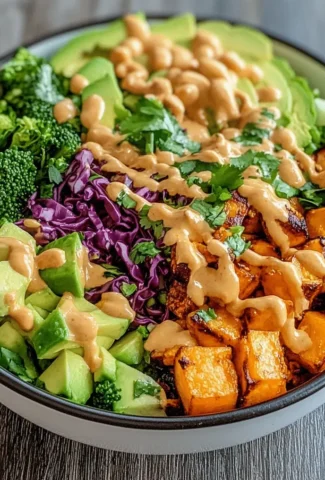
Thai Peanut Sweet Potato Buddha Bowl Delight
Nourishing Bowls: Your Daily Dose of Flavor and Wellness
Are you looking for a meal that’s both incredibly satisfying and packed with nutrients? In a world where busy schedules often collide with the desire for healthy eating, finding dishes that deliver on taste, ease, and health benefits can feel like a quest. Enter the Thai Peanut Sweet Potato Buddha Bowl, a vibrant culinary creation designed to energize your body and delight your taste buds. This bowl is a perfect example of how humble ingredients can transform into a spectacular meal, offering a symphony of textures and flavors from the sweetness of roasted sweet potatoes to the savory, creamy peanut sauce. It’s a plant-powered powerhouse that can be customized to your liking, making it a go-to for weeknight dinners or a wholesome lunch prep.
Ingredients: A Symphony of Flavors
Crafting this delightful Thai Peanut Sweet Potato Buddha Bowl is all about layering textures and tastes. Here’s what you’ll need to bring this masterpiece to life:
For the Roasted Sweet Potatoes:
- 2 large sweet potatoes, peeled and cubed into 1-inch pieces (Look for firm, vibrant orange-fleshed sweet potatoes for maximum sweetness and nutrient density)
- 2 tablespoons olive oil (or avocado oil for a higher smoke point)
- 1 teaspoon smoked paprika
- ½ teaspoon garlic powder
- Salt and freshly ground black pepper to taste
For the Peanut Sauce:
- ½ cup creamy natural peanut butter (choose one with just peanuts and salt for the best flavor)
- ¼ cup warm water (adjust for desired consistency)
- 2 tablespoons soy sauce or tamari (for gluten-free)
- 1 tablespoon rice vinegar
- 1 tablespoon honey or maple syrup (for vegan option)
- 1 teaspoon grated fresh ginger
- 1 clove garlic, minced
- ½ teaspoon sriracha or chili garlic sauce (optional, for a touch of heat)
For the Base and Toppings:
- 2 cups cooked quinoa, brown rice, or cauliflower rice (Choose your favorite grain for a hearty base)
- 1 cup shredded red cabbage (for a delightful crunch and vibrant color)
- 1 cup edamame, shelled (a great source of protein and fiber)
- ½ cup shredded carrots (adds sweetness and crunch)
- Fresh cilantro, chopped (for a burst of freshness)
- Chopped peanuts or sesame seeds, for garnish (adds extra texture and nutty flavor)
- Lime wedges, for serving (brightens all the flavors)
Timing: Effortless Preparation Meets Delicious Results
This Buddha bowl is surprisingly quick to assemble, especially if you prep components in advance. Here’s a breakdown:
Compared to many complex culinary endeavors, this recipe offers a fantastic balance of effort and reward. While the average complex recipe can easily take over an hour of active cooking time, the magic of the Thai Peanut Sweet Potato Buddha Bowl lies in its mostly passive roasting and simple sauce preparation.
Step-by-Step Instructions: Building Your Flavorful Masterpiece
Let’s get cooking! Follow these simple steps to create your Thai Peanut Sweet Potato Buddha Bowl.
1. Roast the Sweet Potatoes to Perfection
Preheat your oven to 400°F (200°C). In a large bowl, toss the cubed sweet potatoes with olive oil, smoked paprika, garlic powder, salt, and pepper until evenly coated. Spread them in a single layer on a baking sheet. Roast for 30-40 minutes, flipping halfway through, until fork-tender and beautifully caramelized. The edges should be slightly crispy for the best texture.
2. Whip Up the Luscious Peanut Sauce
While the sweet potatoes are roasting, prepare the star of the show – the peanut sauce! In a medium bowl, whisk together the peanut butter, warm water, soy sauce (or tamari), rice vinegar, honey (or maple syrup), grated ginger, minced garlic, and sriracha (if using). Keep whisking until smooth and luscious. If the sauce is too thick, add a tablespoon of warm water at a time until it reaches your desired drizzling consistency. Taste and adjust seasonings as needed – perhaps a little more lime juice for tang or a pinch of chili for heat.
3. Get Your Grains Ready
If you haven’t already, cook your chosen base grain according to package directions. Whether it’s fluffy quinoa, hearty brown rice, or a low-carb cauliflower rice, ensure it’s ready to form the foundation of your bowl. Using a grain that’s already cooked will significantly speed up assembly.
4. Assemble the Bowls: A Feast for the Eyes
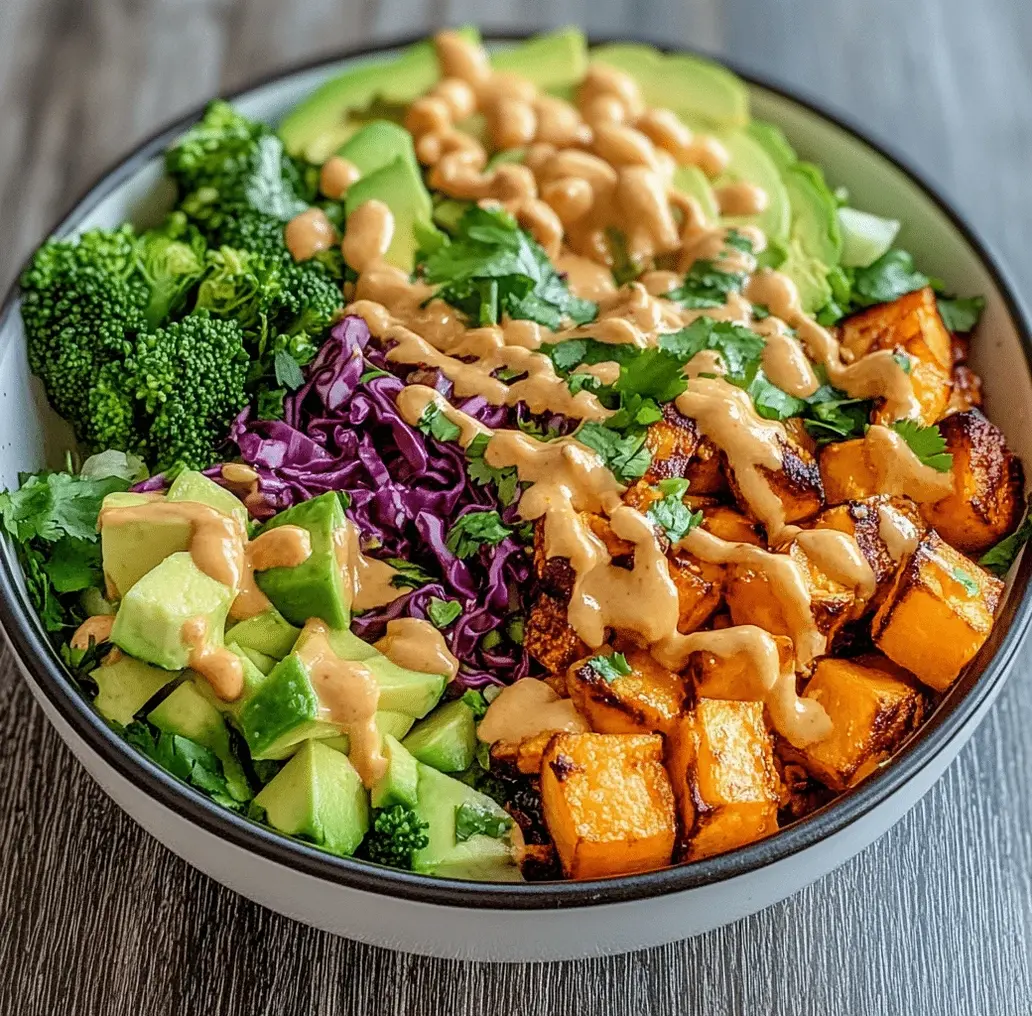
Now for the fun part! In each large bowl, create your vibrant masterpiece. Start with a generous scoop of your cooked grains or cauliflower rice as the base. Arrange the roasted sweet potato cubes artfully around the bowl, creating a colorful focal point. Next, add the shredded red cabbage, shelled edamame, and shredded carrots, scattering them to fill in the spaces and add pops of color and texture.
5. Drizzle and Garnish: The Finishing Touches
Generously drizzle the creamy peanut sauce all over your creations. Don’t be shy – it’s what ties all the flavors together! Finally, garnish with chopped fresh cilantro, a sprinkle of chopped peanuts or sesame seeds for extra crunch, and serve with a lime wedge on the side for a final squeeze of bright citrus. Each element adds a unique sensory experience.
Nutritional Information: A Wholesome Powerhouse
This Thai Peanut Sweet Potato Buddha Bowl is a nutritional champion, packed with vitamins, minerals, fiber, and protein. While exact values can vary based on ingredients and portion sizes, a typical serving boasts:
- Calories: Approximately 450-650 kcal (depending on grain base and sauce quantity)
- Protein: High, from peanut butter, edamame, and quinoa/rice
- Healthy Fats: From peanut butter and olive oil
- Fiber: Excellent source, supporting digestion
- Vitamins & Minerals: Rich in Vitamin A (sweet potato), Vitamin C, iron, and potassium.
Healthier Alternatives & Flavor Swaps
Looking to tweak this bowl for specific dietary needs or just to mix things up? Here are some smart swaps that won’t compromise flavor:
- Low-Carb Base: Swap quinoa or brown rice for cauliflower rice or spiralized zucchini noodles.
- Nut-Free Peanut Butter: Use tahini (sesame seed paste) or sunflower seed butter for a creamy, nutty alternative. Adjust seasonings as tahini has a different flavor profile.
- Reduced Sodium: Opt for a low-sodium soy sauce or tamari, and use unsalted peanut butter.
- Extra Veggies: Add steamed broccoli florets, bell pepper strips, or sugar snap peas for more color and nutrients.
- Spice Level: Adjust sriracha or chili flakes to your preference, or omit entirely if you prefer no heat.
Serving Suggestions: Elevate Your Bowl
This Buddha bowl is a complete meal on its own, but here are a few ideas to make it even more special:
- Protein Boost: Add baked tofu, tempeh, grilled chicken, or shrimp for those who eat animal protein.
- Freshness Factor: Top with fresh mint leaves or a sprinkle of microgreens.
- Extra Crunch: Crispy fried onions or toasted coconut flakes can add a delightful textural contrast.
- Marinade Magic: For an extra layer of flavor, marinate tofu cubes in a bit of soy sauce, garlic, and ginger before baking.
Common Mistakes to Avoid
To ensure your Thai Peanut Sweet Potato Buddha Bowl is a resounding success, be mindful of these common pitfalls:
- Overcrowding the Baking Sheet: When roasting sweet potatoes, spreading them in a single layer allows them to caramelize properly. Overcrowding leads to steaming, not roasting.
- Sauce Too Thick/Thin: Don’t be afraid to adjust the water in the peanut sauce. It should be pourable but not watery.
- Bland Grains: Always season your grains while cooking. A pinch of salt in the water makes a world of difference.
- Skipping the Lime: The acidity from the lime wedge cuts through the richness of the peanut sauce and brightens all the flavors. Don’t skip it!
Storing Tips: Meal Prep Like a Pro
The Thai Peanut Sweet Potato Buddha Bowl is excellent for meal prepping. Here’s how to store it:
- Separated Components: For best results, store the grains, roasted sweet potatoes, and raw veggies in separate airtight containers. Keep the peanut sauce in a small jar.
- Assembled Bowls: You can assemble the bowls in advance, but add the cilantro and peanuts just before serving to maintain freshness and crunch. The sauce can be drizzled just before eating or packed separately.
- Reheating: If you’ve used grains and sweet potatoes, these can be gently reheated in the microwave or on the stovetop. Raw veggies are best served cold.
Conclusion: Your Go-To Healthy & Delicious Meal
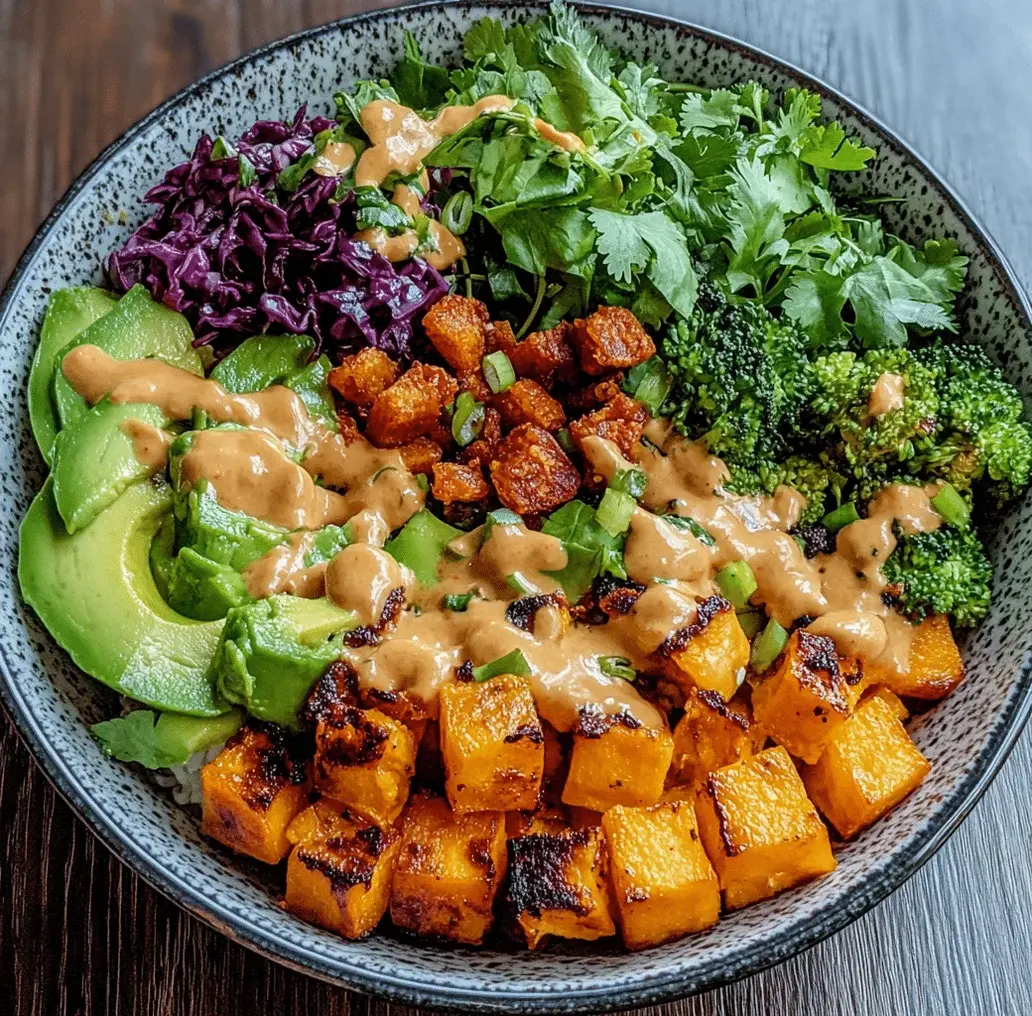
The Thai Peanut Sweet Potato Buddha Bowl is more than just a recipe; it’s an experience. It’s a vibrant, nourishing, and incredibly versatile dish that proves healthy eating can be exciting and deeply satisfying. With its balance of sweet, savory, and tangy flavors, coupled with a satisfying mix of textures, this bowl is sure to become a staple in your meal rotation. So, gather your ingredients, unleash your inner chef, and dive into this delightful culinary creation. Your body and your taste buds will thank you!
FAQs & Troubleshooting
***What makes it a “Buddha Bowl”?***
A Buddha bowl is traditionally a vegetarian or vegan meal served in a bowl with various wholesome ingredients like grains, vegetables, legumes, and sauces, arranged artfully to create a balanced and visually appealing dish. They are named for their resemblance to the round belly of Buddha.
***Can I make this ahead of time for lunches?***
Absolutely! This is an excellent make-ahead meal. Prepare all components (roast potatoes, cook grains, chop veggies) and store them separately in airtight containers. Assemble the bowls just before eating, or assemble them and add sauce and fresh toppings like cilantro and nuts later.
***My peanut sauce is too oily, what should I do?***
This can happen if your peanut butter is naturally oily. Whisk it well before measuring. If it’s still oily after mixing, you can try gently draining off a little of the excess oil before adding other ingredients, or simply whisk in a touch more warm water or lime juice to emulsify it better and rebalance the flavors.
***Are there nut-free options for the peanut sauce?***
Yes! Tahini (sesame seed paste) or sunflower seed butter are great nut-free alternatives. The flavor profile will be different, so you might want to adjust seasonings. Add a touch more soy sauce or a pinch of salt and a squeeze of lime to complement the tahini.
***Can I use different vegetables?***
Definitely! This bowl is very forgiving. Feel free to add or substitute with vegetables like steamed broccoli, roasted Brussels sprouts, thinly sliced bell peppers, cucumber, or even some sautéed mushrooms. The key is variety and color!
***How can I make the peanut sauce spicier?***
For more heat, increase the amount of sriracha or chili garlic sauce. You can also add a pinch of red pepper flakes to the sauce or sprinkle them on top of the finished bowl.
Thai Peanut Sweet Potato Buddha Bowl Delight
Indulge in a nourishing bowl of flavor with the Thai Peanut Sweet Potato Buddha Bowl!
Ingredients
- 2medium sweet potatoes, peeled and diced
- 1 cupbroccoli florets
- 1 cupshredded green cabbage
- 1avocado, sliced
- 1/2 cupcarrots, grated
- 1/4 cupfresh cilantro, chopped
- 1/4 cuppeanuts, chopped (for garnish)
- 1/2 cuppeanut butter
- 2 tablespoonssoy sauce
- 1 tablespoonmaple syrup
- 1 tablespoonlime juice
- 1 teaspoonsesame oil
- Salt and pepper, to taste
Instructions
- Start by prepping all your fresh ingredients. Peel and dice the sweet potatoes into even cubes for consistent cooking. Chop the broccoli into florets, slice the avocado neatly, and grate the carrots. Having everything prepped in advance will save time and make the assembly of the Buddha bowl a breeze.
- Preheat your oven to 400°F (200°C). Spread the diced sweet potatoes on a baking sheet lined with parchment paper. Drizzle them with a bit of olive oil and season with salt and pepper to enhance their natural sweetness. Bake in the oven for 25-30 minutes, or until they are golden-brown and tender. Stir them halfway through cooking to ensure even roasting.
- While the sweet potatoes are roasting, take a large mixing bowl and combine the broccoli florets, shredded cabbage, grated carrots, and sliced avocado. Toss them gently to mix then set the bowl aside. This colorful medley will provide the base of your Buddha bowl, offering both texture and nutrient diversity.
- In a small bowl, whisk together the peanut butter, soy sauce, maple syrup, lime juice, and sesame oil until smooth and creamy. This sauce is the star of the dish, bringing together all the flavors. Taste and adjust seasoning as necessary, adding more lime or soy sauce to suit your preference. A well-balanced peanut sauce makes a significant difference to the overall taste.
- Once the sweet potatoes are roasted and cooled slightly, it’s time to assemble the bowls. Start with a generous portion of the mixed vegetables at the base, followed by a serving of roasted sweet potatoes. Drizzle your creamy peanut sauce generously over the top, and garnish with chopped cilantro and peanuts for an added crunch. Serve immediately and enjoy!
Notes
Ensure sweet potatoes are cut evenly for uniform cooking during roasting. Store leftover peanut sauce in the refrigerator; it will last for about a week.
Nutrition
- Calories: Approximately 650 per serving
- Protein: About 20 g
“`
Leave a Reply