
Table of Contents
Authentic German Meatballs Recipe – Easy & Delicious
Craving a Culinary Journey to Germany?
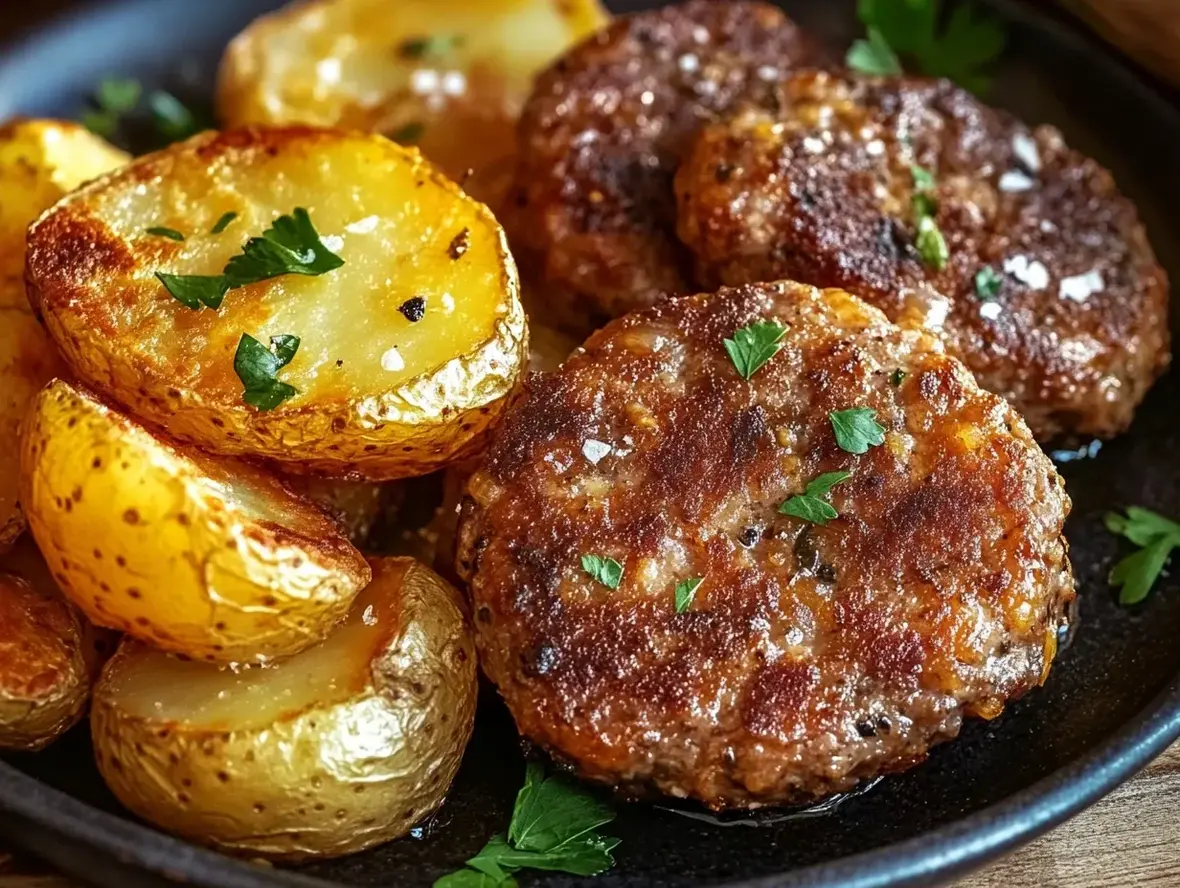
Are you searching for that perfect, comforting dish that transports you straight to a Bavarian beer garden or a cozy German home? If you’re like millions of food enthusiasts who enjoy hearty, flavorful meals, then you’ve likely pondered: How do I make authentic German meatballs that are both easy to prepare and boast incredible taste? German meatballs, or Klopse/Frikadellen as they are known, are a cornerstone of German cuisine, prized for their savory depth and versatility. This recipe aims to demystify the process, offering you a truly authentic experience right in your own kitchen.
Ingredients for Authentic German Meatballs
Crafting delicious German meatballs is all about quality ingredients and a thoughtful blend of flavors. This recipe calls for simple, readily available items, but don’t underestimate their power to create something truly special. We’ve also included some suggestions for substitutions to adapt to your pantry and preferences.
- 1 lb (450g) Ground Beef (80/20 fat ratio recommended): This is the backbone of our meatballs. The fat content is crucial for moisture and flavor. For a leaner option, you can use 90/10, but consider adding a touch more moisture.
- 1/2 lb (225g) Ground Pork: Pork adds a wonderful richness and tenderness. If pork isn’t your preference, you can substitute with more ground beef or ground veal for a different flavor profile.
- 1/2 cup Breadcrumbs (Panko or fresh): These bind the mixture together and contribute to a pleasant texture. Panko offers a lighter crunch, while fresh breadcrumbs (made from stale bread) create a softer interior.
- 1/4 cup Milk (or water): This helps to soften the breadcrumbs and adds moisture. Almond milk or oat milk can be used as dairy-free alternatives.
- 1 small Onion, finely minced or grated: Onion provides essential aromatic depth. Grating it releases more juice, intensifying the flavor throughout the meatballs. For a milder onion flavor, you can sauté it briefly before adding, but raw is traditional.
- 1 large Egg, lightly beaten: The binder that holds everything together. Ensure it’s at room temperature for easier incorporation.
- 2 tbsp Fresh Parsley, finely chopped: Adds a fresh, herbaceous note that cuts through the richness of the meat. Dried parsley can be substituted (use 2 tsp dried).
- 1 tsp Dijon Mustard: A secret weapon for adding a subtle tang and complexity.
- 1/2 tsp Salt: Essential for bringing out all the flavors. Use sea salt or kosher salt.
- 1/4 tsp Black Pepper, freshly ground: For a hint of spice. White pepper can also be used for a spicier but less visible speckling.
- 2 tbsp Olive Oil or Butter (for searing): For achieving that perfect golden-brown crust.
-
For the Sauce (Optional but highly recommended):
- 2 tbsp Butter
- 2 tbsp All-Purpose Flour
- 2 cups Beef Broth
- 1/4 cup Heavy Cream (optional, for richness)
- Salt and Pepper to taste
Timing is Everything for Perfect Meatballs
Compared to the average meatball recipe which often hovers around 45 minutes total, this recipe is right in line, making it perfect for a weeknight dinner or a relaxed weekend meal. The prep time is slightly longer due to mincing the onion finely, ensuring a smoother texture, but the hands-on time is minimal.
Crafting Your German Meatballs: A Step-by-Step Guide
Step 1: Prepare the Meat Mixture
In a large bowl, combine the ground beef and ground pork. Add the breadcrumbs, milk (or water), finely minced or grated onion, beaten egg, chopped parsley, Dijon mustard, salt, and pepper. It’s crucial to use your hands here – gently but thoroughly mix all the ingredients until just combined. Overmixing can lead to tough meatballs, so aim for a cohesive mixture without mushing the meat.
Step 2: Form the Meatballs
Lightly wet your hands with water to prevent sticking. Take about 2 tablespoons of the meat mixture and gently roll it between your palms to form a ball, about 1.5 to 2 inches in diameter. Don’t pack them too tightly, as this will also result in dense meatballs. Place the formed meatballs on a plate or baking sheet, ensuring they don’t touch too much.
Step 3: Cook the Meatballs
Heat the olive oil or butter in a large skillet over medium-high heat. Once shimmering, carefully add the meatballs in a single layer, working in batches if necessary to avoid crowding the pan. Sear the meatballs for about 2-3 minutes on each side, until they are nicely browned and have a beautiful golden-brown crust all around. This searing step is key for developing flavor and texture. Transfer the browned meatballs to a plate and set aside. They don’t need to be cooked through at this stage, as they will finish cooking in the sauce.
Step 4: Make the Sauce
In the same skillet (no need to wash it, the browned bits add flavor!), reduce the heat to medium. Add 2 tablespoons of butter and let it melt. Whisk in the 2 tablespoons of flour to create a roux. Cook for about 1-2 minutes, stirring constantly, until it smells slightly nutty. Gradually whisk in the beef broth, ensuring there are no lumps. Bring the sauce to a simmer, stirring occasionally, until it thickens to your desired consistency.
Step 5: Combine and Simmer
Carefully return the seared meatballs to the skillet with the sauce. If you’re using heavy cream, stir it in now for extra richness. Reduce the heat to low, cover the skillet, and let the meatballs simmer gently in the sauce for 15-20 minutes, or until they are cooked through and tender. Taste the sauce and adjust seasoning with salt and pepper as needed.
Nutritional Insights
Please note: Nutritional values are approximate and can vary based on specific ingredients and portion sizes. This is a general estimate per serving (assuming 4 servings).
- Calories: ~450-550 kcal
- Protein: ~30-35g
- Fat: ~30-40g
- Carbohydrates: ~10-15g
- Sodium: ~600-800mg (can vary greatly with added salt)
Healthier Swaps for Lighter Enjoyment
While traditional German meatballs are wonderfully indulgent, you can make them a bit lighter without sacrificing flavor:
- Leaner Meats: Opt for 90/10 ground beef or a mix of lean beef and turkey.
- Whole Wheat Breadcrumbs: Use whole wheat breadcrumbs for added fiber.
- Reduced Fat: Skip the heavy cream in the sauce, or use a plant-based milk for a dairy-free option.
- Less Oil: Pan-sear in a non-stick skillet with minimal oil, or bake the meatballs initially until almost cooked then finish them in a lighter sauce.
- Vegetable Boost: Finely grate zucchini or carrots into the meat mixture for added nutrients and moisture.
Classic Pairings for Your German Meatballs
These meatballs are incredibly versatile and pair beautifully with a variety of side dishes:
- Potatoes: Mashed potatoes, boiled new potatoes with parsley butter, or potato dumplings (Kartoffelklöße) are classic German companions.
- Cabbage: Red cabbage (Rotkohl) or sauerkraut offer a tangy contrast.
- Vegetables: Steamed green beans, Brussels sprouts, or a simple side salad.
- Bread: Crusty bread or pretzels are perfect for soaking up any extra sauce.
- As a Snack: They can also be served as a hearty appetizer or snack with a side of mustard.
Avoid These Common Meatball Pitfalls
- Overmixing the Meat: This is the most common culprit for tough, dense meatballs. Mix just until ingredients are incorporated.
- Packing Too Tightly: Roll the meatballs gently. Dense balls won’t cook evenly and will be less tender.
- Not Searing Properly: Skipping or rushing the searing step means missing out on crucial flavor development and texture.
- Skillet Crowding: Don’t overcrowd the pan when searing. This will steam the meatballs instead of browning them, leading to a pale, less flavorful exterior.
- Undercooking: Ensure the meatballs are cooked through, especially if you’re not serving them with a sauce to finish cooking in.
Keep Your Meatballs Delicious: Storage Advice
Refrigeration: Leftover cooked meatballs can be stored in an airtight container in the refrigerator for up to 3-4 days. Ensure they cool down completely before storing.
Freezing: Uncooked meatballs can be frozen on a baking sheet until firm, then transferred to a freezer bag for up to 2-3 months. Cook directly from frozen, adding a few extra minutes to the cooking time. Cooked meatballs can also be frozen for up to 3 months; thaw in the refrigerator and reheat gently.
Reheating: Reheat gently on the stovetop in their sauce, or in a low oven (around 300°F or 150°C) until warmed through. Microwaving is also an option, but can sometimes dry them out.
Frequently Asked Questions About German Meatballs
***Can I make these meatballs vegetarian?***
While this is an authentic meatball recipe, you can adapt it using plant-based grounds or a mix of hearty vegetables like mushrooms, lentils, and grains as a base. The binding and seasoning principles would remain similar.
***What’s the best fat content for the meat?***
An 80/20 lean-to-fat ratio is ideal for both beef and pork. The fat renders during cooking, keeping the meatballs moist and flavorful. Too lean, and they risk becoming dry and crumbly.
***How do I ensure my meatballs are juicy?***
Don’t overmix the meat, don’t pack them too tightly, and ensure they have enough fat content. Using milk with the breadcrumbs also adds crucial moisture.
***Can I bake these instead of pan-frying?***
Yes, you can bake them! Preheat your oven to 400°F (200°C). Place meatballs on a baking sheet lined with parchment paper and bake for 15-20 minutes, or until browned and cooked through. They might not develop as deep a crust as pan-fried, but it’s a healthier option and works well if you plan to finish them in a sauce.
***Why are my meatballs falling apart?***
This usually happens if there isn’t enough binder. Ensure your egg is well-beaten and thoroughly mixed in, and that you’ve used the appropriate amount of breadcrumbs. Also, be gentle when handling them.
There you have it – a simple yet authentic recipe for German Meatballs that’s sure to impress! We hope you enjoy making and savoring this classic dish. What will you serve your delicious German meatballs with? Let us know in the comments below, and don’t forget to share this recipe with your friends and family on social media!
Authentic German Frikadellen

Frikadellen, Germany’s beloved meat patties, are juicy, flavorful, and easy to make. Whether served with potato salad, mashed potatoes, or a hearty bread, they’re a satisfying comfort food with rich tradition.
Ingredients
- 1lb (450 g) ground beef (or a mix of ground beef and pork)1small onion, finely chopped1clove garlic, minced1large egg1slice stale white bread (or1/2 cupbreadcrumbs)1/4 cupmilk1 tspmustard (Dijon or yellow)1 tspsalt1/2 tspblack pepper1/2 tsppaprika1/2 tspground marjoram (optional)1 tbspparsley, chopped2 tbspoil or butter (for frying)
- 1small onion, finely chopped1clove garlic, minced1large egg1slice stale white bread (or1/2 cupbreadcrumbs)1/4 cupmilk1 tspmustard (Dijon or yellow)1 tspsalt1/2 tspblack pepper1/2 tsppaprika1/2 tspground marjoram (optional)1 tbspparsley, chopped2 tbspoil or butter (for frying)
- 1clove garlic, minced1large egg1slice stale white bread (or1/2 cupbreadcrumbs)1/4 cupmilk1 tspmustard (Dijon or yellow)1 tspsalt1/2 tspblack pepper1/2 tsppaprika1/2 tspground marjoram (optional)1 tbspparsley, chopped2 tbspoil or butter (for frying)
- 1large egg1slice stale white bread (or1/2 cupbreadcrumbs)1/4 cupmilk1 tspmustard (Dijon or yellow)1 tspsalt1/2 tspblack pepper1/2 tsppaprika1/2 tspground marjoram (optional)1 tbspparsley, chopped2 tbspoil or butter (for frying)
- 1slice stale white bread (or1/2 cupbreadcrumbs)1/4 cupmilk1 tspmustard (Dijon or yellow)1 tspsalt1/2 tspblack pepper1/2 tsppaprika1/2 tspground marjoram (optional)1 tbspparsley, chopped2 tbspoil or butter (for frying)
- 1/4 cupmilk1 tspmustard (Dijon or yellow)1 tspsalt1/2 tspblack pepper1/2 tsppaprika1/2 tspground marjoram (optional)1 tbspparsley, chopped2 tbspoil or butter (for frying)
- 1 tspmustard (Dijon or yellow)1 tspsalt1/2 tspblack pepper1/2 tsppaprika1/2 tspground marjoram (optional)1 tbspparsley, chopped2 tbspoil or butter (for frying)
- 1 tspsalt1/2 tspblack pepper1/2 tsppaprika1/2 tspground marjoram (optional)1 tbspparsley, chopped2 tbspoil or butter (for frying)
- 1/2 tspblack pepper1/2 tsppaprika1/2 tspground marjoram (optional)1 tbspparsley, chopped2 tbspoil or butter (for frying)
- 1/2 tsppaprika1/2 tspground marjoram (optional)1 tbspparsley, chopped2 tbspoil or butter (for frying)
- 1/2 tspground marjoram (optional)1 tbspparsley, chopped2 tbspoil or butter (for frying)
- 1 tbspparsley, chopped2 tbspoil or butter (for frying)
- 2 tbspoil or butter (for frying)
Instructions
- 1️⃣Prepare the Bread Mixture:
- Soak the slice of stale bread in milk for about 5 minutes, then squeeze out the excess milk and crumble the bread into small pieces. Set aside.2️⃣Combine the Ingredients:In a large mixing bowl, add the ground meat, soaked bread, onion, garlic, egg, mustard, salt, pepper, paprika, marjoram (if using), and parsley.Mix until just combined. Avoid overmixing to ensure the patties remain tender.3️⃣Shape the Frikadellen:Divide the meat mixture into 4-6 equal portions.Shape each portion into a flat, oval-shaped patty about 1/2-inch thick.4️⃣Cook the Frikadellen:Heat oil or butter in a large skillet over medium heat.Place the patties in the skillet and fry for 4-5 minutes per side, or until golden brown and fully cooked (internal temperature should reach 160°F/71°C).5️⃣Serve:Serve the Frikadellen warm with sides such as potato salad, mashed potatoes, sauerkraut, or crusty bread.
- 2️⃣Combine the Ingredients:In a large mixing bowl, add the ground meat, soaked bread, onion, garlic, egg, mustard, salt, pepper, paprika, marjoram (if using), and parsley.Mix until just combined. Avoid overmixing to ensure the patties remain tender.3️⃣Shape the Frikadellen:Divide the meat mixture into 4-6 equal portions.Shape each portion into a flat, oval-shaped patty about 1/2-inch thick.4️⃣Cook the Frikadellen:Heat oil or butter in a large skillet over medium heat.Place the patties in the skillet and fry for 4-5 minutes per side, or until golden brown and fully cooked (internal temperature should reach 160°F/71°C).5️⃣Serve:Serve the Frikadellen warm with sides such as potato salad, mashed potatoes, sauerkraut, or crusty bread.
- In a large mixing bowl, add the ground meat, soaked bread, onion, garlic, egg, mustard, salt, pepper, paprika, marjoram (if using), and parsley.
- Mix until just combined. Avoid overmixing to ensure the patties remain tender.3️⃣Shape the Frikadellen:Divide the meat mixture into 4-6 equal portions.Shape each portion into a flat, oval-shaped patty about 1/2-inch thick.4️⃣Cook the Frikadellen:Heat oil or butter in a large skillet over medium heat.Place the patties in the skillet and fry for 4-5 minutes per side, or until golden brown and fully cooked (internal temperature should reach 160°F/71°C).5️⃣Serve:Serve the Frikadellen warm with sides such as potato salad, mashed potatoes, sauerkraut, or crusty bread.
- 3️⃣Shape the Frikadellen:Divide the meat mixture into 4-6 equal portions.Shape each portion into a flat, oval-shaped patty about 1/2-inch thick.4️⃣Cook the Frikadellen:Heat oil or butter in a large skillet over medium heat.Place the patties in the skillet and fry for 4-5 minutes per side, or until golden brown and fully cooked (internal temperature should reach 160°F/71°C).5️⃣Serve:Serve the Frikadellen warm with sides such as potato salad, mashed potatoes, sauerkraut, or crusty bread.
- Divide the meat mixture into 4-6 equal portions.
- Shape each portion into a flat, oval-shaped patty about 1/2-inch thick.4️⃣Cook the Frikadellen:Heat oil or butter in a large skillet over medium heat.Place the patties in the skillet and fry for 4-5 minutes per side, or until golden brown and fully cooked (internal temperature should reach 160°F/71°C).5️⃣Serve:Serve the Frikadellen warm with sides such as potato salad, mashed potatoes, sauerkraut, or crusty bread.
- 4️⃣Cook the Frikadellen:Heat oil or butter in a large skillet over medium heat.Place the patties in the skillet and fry for 4-5 minutes per side, or until golden brown and fully cooked (internal temperature should reach 160°F/71°C).5️⃣Serve:Serve the Frikadellen warm with sides such as potato salad, mashed potatoes, sauerkraut, or crusty bread.
- Heat oil or butter in a large skillet over medium heat.
- Place the patties in the skillet and fry for 4-5 minutes per side, or until golden brown and fully cooked (internal temperature should reach 160°F/71°C).5️⃣Serve:Serve the Frikadellen warm with sides such as potato salad, mashed potatoes, sauerkraut, or crusty bread.
- 5️⃣Serve:Serve the Frikadellen warm with sides such as potato salad, mashed potatoes, sauerkraut, or crusty bread.
- Serve the Frikadellen warm with sides such as potato salad, mashed potatoes, sauerkraut, or crusty bread.
Notes
Bread Substitute:If using breadcrumbs, skip the milk step and add them directly to the meat mixture.Flavor Boost:For an authentic touch, add a pinch of nutmeg to the mixture.Make-Ahead:Shape the patties ahead of time and store them in the fridge for up to 24 hours before cooking.
Flavor Boost:For an authentic touch, add a pinch of nutmeg to the mixture.Make-Ahead:Shape the patties ahead of time and store them in the fridge for up to 24 hours before cooking.
Make-Ahead:Shape the patties ahead of time and store them in the fridge for up to 24 hours before cooking.
Leave a Reply