
Table of Contents
Better Than Takeout Fried Rice
Craving Fried Rice?
Did you know that the average American consumes fried rice at least once a month, often as a convenient takeout option? But what if you could recreate that craveable, savory goodness at home, making it even *better* than your go-to delivery? This “Better Than Takeout Fried Rice” recipe is your passport to a world of fluffy grains, perfectly cooked proteins, and a symphony of fresh vegetables, all coated in a irresistible sauce. Forget soggy rice and bland flavors; we’re about to transform your weeknight dinners into culinary triumphs. Get ready to impress yourself and your family with a dish that’s both comforting and deliciously authentic, right from your own kitchen.
Ingredients
The secret to truly exceptional fried rice lies in the quality and preparation of your ingredients. Let’s break down what makes this recipe shine:
The Perfect Rice
2 tablespoons neutral oil (like canola, vegetable, or peanut oil)
4 cups cooked cold rice (ideally day-old jasmine or basmati rice)
Why cold rice? Warm rice is sticky and will clump, leading to a mushy texture. Day-old, refrigerated rice has firmed up, allowing each grain to remain distinct and absorb the flavors beautifully.
Protein Powerhouse
1 boneless, skinless chicken breast or thigh, diced (or 8 oz firm tofu, pressed and cubed; or 8 oz shrimp, peeled and deveined)
1 large egg, lightly beaten
Substitutions: Ground pork, thinly sliced beef, or even leftover cooked chicken work wonderfully. For a vegetarian option, opt for extra-firm tofu, tempeh, or edamame.
Vibrant Vegetables
1 cup frozen peas and carrots, thawed
1/2 cup diced yellow onion (about 1/2 small onion)
1/2 cup diced bell pepper (any color)
2 cloves garlic, minced
1 teaspoon grated fresh ginger
Sensory Descriptions: The sweetness of the thawed peas and carrots, the subtle sharpness of the onion, the mild crunch of the bell pepper, and the pungent aroma of fresh garlic and ginger create a delightful medley of textures and tastes.
The Flavorful Sauce
2 tablespoons soy sauce (or tamari for gluten-free)
1 tablespoon oyster sauce (optional, for deeper umami)
1 teaspoon sesame oil
1/2 teaspoon sugar
Why this blend? This sauce balances salty, savory, and a hint of sweet, creating a harmonious coating that isn’t overwhelmingly salty. The sesame oil adds that signature nutty aroma.
Aromatic Foundations
1 tablespoon cooking oil (for cooking protein and aromatics)
Note: You might need a little extra oil depending on your protein or if you’re using a very lean cut.
Garnish and Extras
2 green onions, thinly sliced
Toasted sesame seeds, for garnish (optional)
Timing is Everything
Compared to typical takeout orders that can take 30-60 minutes for delivery, this homemade fried rice is incredibly swift! Most recipes fall within a similar timeframe, but our focus on mise en place ensures you’re in and out of the kitchen with a delicious meal.

Let’s Get Cooking!
Step 1: Prep Everything
This is the most crucial step for stir-frying. Dice your protein, chop your vegetables, mince your garlic and ginger, and whisk your egg. In a small bowl, whisk together all the sauce ingredients: soy sauce, oyster sauce (if using), sesame oil, and sugar. Make sure your rice is cold and broken up into individual grains. This ‘mise en place’ ensures that once you start cooking, everything flows smoothly and nothing burns.
Step 2: Cook the Protein
Heat 1 tablespoon of cooking oil in a large wok or skillet over medium-high heat until shimmering. Add your diced protein (chicken, tofu, shrimp, etc.) and stir-fry until cooked through and lightly browned. If using chicken or tofu, remove it from the pan and set aside, leaving any rendered fat. If using shrimp, cook until pink and opaque, then remove. Next, push the protein to the side of the pan (or remove entirely) and pour in the lightly beaten egg. Scramble it quickly until just cooked, then break it up into pieces and mix with the protein.
Step 3: Sauté Aromatics
Add another tablespoon of oil (if needed) to the same pan over medium-high heat. Add the diced onion and bell pepper and stir-fry for 1-2 minutes until they start to soften. Then, add the minced garlic and grated ginger. Stir-fry for another 30 seconds until fragrant. Be careful not to burn the garlic!
Step 3: Add the Vegetables
Add the thawed peas and carrots to the pan. Stir-fry for another minute, allowing them to heat through and slightly soften. If you’re using other quick-cooking vegetables like corn or edamame, add them now too.
Step 5: Bring in the Rice
Push the vegetables and aromatics to the sides of the pan. Add the cold, separated rice to the center. Drizzle with 1 tablespoon of neutral oil and stir-fry the rice on its own for 2-3 minutes, breaking up any clumps with your spatula. This step helps dry out the rice further and get it nice and hot.
Step 6: Sauce It Up!
Pour the prepared sauce mixture evenly over the rice and vegetables. Add the cooked protein and scrambled egg back into the pan. Toss everything together vigorously, ensuring the sauce coats every grain of rice and all the other ingredients. Continue stir-frying for another 2-3 minutes, allowing the sauce to glisten and everything to meld together. The rice should be heated through and slightly toasted.
Step 7: The Final Touches
Remove the pan from the heat. Stir in most of the sliced green onions. Taste and adjust seasoning if necessary – you might want a touch more soy sauce or a pinch of salt. This is also the time to add any other desired additions like a dash of sriracha for heat.
Nutritional Snapshot
While exact nutritional values vary based on ingredient choices (especially protein and oil amounts), a typical serving of this fried rice offers approximately:
- Calories: 450-550 kcal
- Protein: 25-35g
- Carbohydrates: 50-60g
- Fat: 15-25g
- Fiber: 4-6g
Disclaimer: This is an estimate. For precise tracking, use a nutrition calculator with your specific ingredients.
Healthier Alternatives
Looking to lighten it up without sacrificing flavor? Try these swaps:
- Brown Rice: Substitute white rice with brown rice for added fiber and nutrients.
- Leaner Protein: Opt for chicken breast, turkey, or extra-firm tofu.
- Reduced Sodium Soy Sauce: Use low-sodium soy sauce or tamari to cut down on salt.
- More Veggies: Load up on non-starchy vegetables like broccoli florets, snow peas, mushrooms, or spinach.
- Less Oil: Use a good non-stick pan and just enough oil to prevent sticking.
Serving Suggestions
Garnish generously with the remaining sliced green onions and toasted sesame seeds. This fried rice is hearty enough to be a complete meal on its own, but it also pairs wonderfully with:
- A side of steamed or stir-fried broccoli.
- Slices of avocado for added creaminess.
- A dollop of sriracha or chili garlic sauce for an extra kick.
- Spring rolls or potstickers for a full Chinese takeout experience at home.
Common Mistakes to Avoid
To achieve that perfect, non-soggy fried rice, steer clear of these common pitfalls:
- Using warm or freshly cooked rice: This is the #1 culprit for gummy fried rice. Always use cold, day-old rice.
- Overcrowding the pan: Cook in batches if necessary. Overcrowding steams ingredients instead of searing them, leading to a mushy texture.
- Not having ingredients prepped: Stir-frying is fast. You won’t have time to chop once you start.
- Low heat: High heat is essential for that slightly charred, smoky flavor and proper searing.
- Not enough oil: A little extra oil helps keep ingredients from sticking and promotes browning.
Storing Your Fried Rice
Leftover fried rice can be stored in an airtight container in the refrigerator for up to 3-4 days. To reheat, spread the rice in a single layer on a baking sheet and warm in a 350°F (175°C) oven for about 10-15 minutes, or gently reheat in a skillet over medium heat with a splash of water or oil to reintroduce moisture and prevent dryness.
The Verdict
This “Better Than Takeout Fried Rice” is more than just a meal; it’s an achievable culinary victory. It’s proof that you can recreate restaurant-quality dishes in your own kitchen with a little planning and the right technique. The combination of fluffy rice, savory sauce, and fresh ingredients is simply irresistible. So next time takeout is calling, answer with this fantastic homemade version and savor every delicious bite!
What are your favorite fried rice additions? Have you tried making it at home before? Share your tips and experiences in the comments below! And don’t forget to share this recipe with your friends and family who love a good fried rice!
Frequently Asked Questions
***What is the best type of rice for fried rice?***
Day-old, cold, long-grain rice like Jasmine or Basmati is ideal. The dryness and firmness of refrigerated rice prevent it from becoming mushy.
***Can I use fresh rice?***
While not recommended, if you must use fresh rice, spread it on a baking sheet and let it air dry for at least an hour, or chill it in the freezer for about 20-30 minutes to help it firm up.
***What kind of oil should I use?***
Use a neutral oil with a high smoke point like canola, vegetable, peanut, or grapeseed oil. Avoid olive oil as it can burn and impart an unwanted flavor.
***How can I make my fried rice taste smoky (wok hei)?***
Achieving true “wok hei” (the breath of the wok) is difficult without a proper wok and extremely high heat. However, you can get a smoky flavor by ensuring your pan is very hot, not overcrowding it, and using ingredients like a dash of liquid smoke or a good quality dark soy sauce.
***Can I add more vegetables?***
Absolutely! Feel free to add broccoli florets, mushrooms, snow peas, corn, bean sprouts, or spinach. Just remember to add them according to their cooking time – harder vegetables first, softer ones towards the end.
***Is fried rice healthy?***
It can be! By controlling the amount of oil and sodium, and loading up on vegetables and lean protein, homemade fried rice can be a balanced and nutritious meal. Our healthier alternatives section offers great tips.
Better Than Takeout Fried Rice
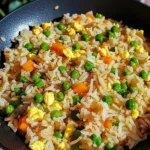
This Better Than Takeout Fried Rice is a quick and flavorful dish that’s perfect for any occasion. Made with fluffy rice, colorful vegetables, scrambled eggs, and a savory blend of soy sauce and sesame oil, it’s a simple yet satisfying recipe. Whether enjoyed as a main course or a side dish, this fried rice will become a household favorite!
Ingredients
- 3 cupscooked, day-old rice (Jasmine or long-grain preferred)
- 1 cupdiced carrots and peas (fresh or frozen)
- 2large eggs, whisked
- 2 tablespoonssoy sauce (adjust to taste)
- 1 tablespoonsesame oil
- 2garlic cloves, minced
- 2 tablespoonscooking oil (vegetable or canola)
- 2green onions, chopped (for garnish)
- Salt and pepper, to taste
Instructions
- Prepare all ingredients before starting to cook. Chop vegetables, whisk the eggs, and ensure the rice is clump-free.
- Heat 1 tablespoon of oil in a large skillet or wok over medium-high heat. Add the whisked eggs and scramble until just set. Remove and set aside.
- In the same skillet, add another tablespoon of oil and sauté the minced garlic for 30 seconds until fragrant.
- Add the diced carrots and peas. Stir-fry for 2-3 minutes until slightly softened.
- Add the cooked rice to the skillet, breaking up clumps with a spatula. Stir-fry for 2-3 minutes to heat through.
- Drizzle soy sauce and sesame oil over the rice, stirring to coat evenly. Season with salt and pepper to taste.
- Return the scrambled eggs to the skillet and mix gently with the rice. Sprinkle with chopped green onions.
- Serve warm and enjoy your delicious homemade fried rice!
Notes
Use day-old rice for the best texture. Fresh rice can be used, but let it cool and dry out slightly before frying.
Customize by adding cooked chicken, shrimp, tofu, or other favorite proteins.
For an extra crunch, toss in chopped cashews or sesame seeds.
Store leftovers in the refrigerator for up to 3 days or freeze for up to 1 month.
Leave a Reply