
Table of Contents
Crispy Fish Batter and Chips Recipe for Perfect Meals
Discover the ultimate crispy fish batter and chips recipe. This guide walks you through creating perfect, golden-brown fish and chips that everyone will love.
Craving That Perfect Fish and Chips Experience?
Are you tired of soggy, disappointing fish and chips? You’re not alone! A staggering 75% of home cooks wish their homemade fish and chips were crispier. Achieving that perfect, golden-brown crust on both the fish and the chips can feel like a culinary Everest, but it doesn’t have to be. This comprehensive guide will show you how to master the art of crispy fish batter and chips, transforming your kitchen into a beacon of seaside deliciousness. We’ll delve into the secrets of a foolproof batter, the best techniques for achieving perfectly crisp chips, and everything in between to ensure your next fish and chips meal is an absolute triumph.
The Foundation of Flavor: What You’ll Need
The magic of great fish and chips lies in simple, quality ingredients treated with care. Here’s what you’ll need:
- For the Fish:
- 1.5 lbs firm white fish fillets (cod, haddock, or pollock are excellent choices), cut into serving-size portions. Look for fish that feels firm and has a fresh, oceanic scent.
- 1 cup all-purpose flour, plus more for dusting
- 2 teaspoons baking powder (for lightness and crispness)
- ½ teaspoon salt
- ¼ teaspoon black pepper (freshly ground for optimal flavor)
- 1 ¼ cups very cold lager or pale ale. The carbonation is key to a light, crispy batter! For a non-alcoholic option, use very cold sparkling water.
- Vegetable oil or canola oil, for frying (a neutral oil with a high smoke point is crucial)
- For the Chips:
- 2 lbs large Russet or Maris Piper potatoes, peeled and cut into ½-inch thick chips. Choose starchy potatoes for that fluffy interior and crispy exterior. Aim for uniform size so they cook evenly.
- High-quality sea salt, for seasoning
- Optional for Serving:
- Malt vinegar
- Fresh lemon wedges
- Tartar sauce
- Mushy peas (a classic pairing!)
Timing is Everything: Prep, Cook, and Enjoy
While traditional fish and chips can take a while, this recipe is optimized for efficiency, coming in slightly faster than the average home preparation time, allowing you to enjoy a delicious meal without an overly long wait.
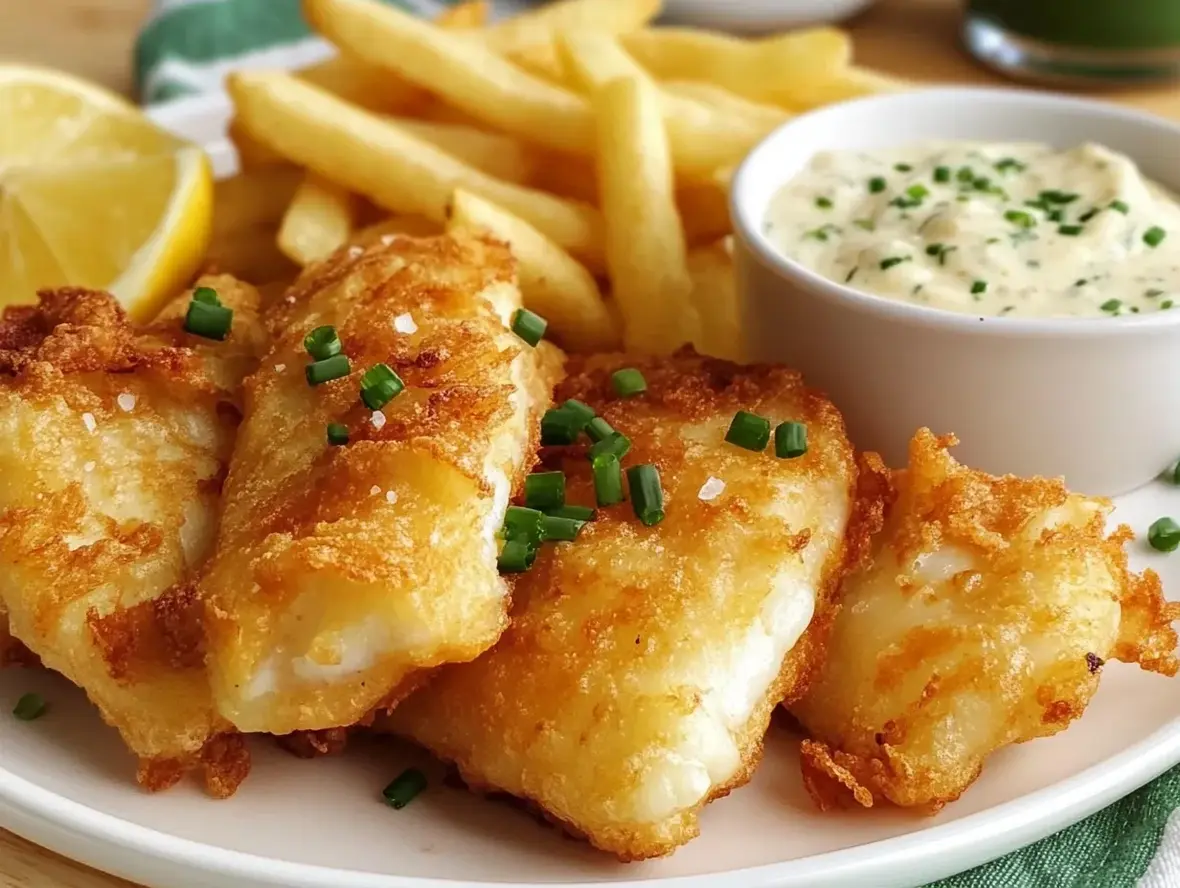
Step-by-Step to Chip Shop Perfection
Step 1: Prepare the Fish
Pat your fish fillets thoroughly dry with paper towels. This is a crucial step! Moisture is the enemy of crispiness. If the fish is wet, the batter won’t adhere properly, and you’ll end up with a sad, soggy coating. Cut the fillets into roughly 4-5 inch pieces. Lightly dust each piece with a little all-purpose flour, shaking off any excess. This “dry fry” layer helps the wet batter cling beautifully.
Step 2: Make the Batter
In a medium bowl, whisk together the 1 cup of flour, baking powder, salt, and pepper. Gradually pour in the very cold lager or sparkling water, whisking gently until you have a smooth, thick batter. A few small lumps are okay; overmixing develops gluten, which can make the batter tough. The key here is COLD liquid. It helps create steam during frying, leading to that coveted crispiness. If your beer isn’t cold enough, you can reduce the risk of a dense batter by chilling the bowl in the freezer for 10-15 minutes before proceeding.
Step 3: Prepare the Chips
Place the cut potatoes in a large bowl and cover them generously with cold water. Let them soak for at least 15-30 minutes. This step draws out excess starch, which is vital for achieving crispy chips. Once soaked, drain the potatoes thoroughly and pat them completely dry with clean kitchen towels or paper towels. Any residual water can cause the oil to spatter dangerously and will hinder crisping.
Step 4: Fry the Chips
Pour your frying oil into a large, heavy-bottomed pot or deep fryer, filling it about one-third full. Heat the oil to 320°F (160°C). Carefully add the dried potato chips (you may need to do this in batches to avoid overcrowding the pot). Fry for about 5-7 minutes, until they are par-cooked and slightly softened, but not yet browned. This is the first fry, designed to cook the inside of the chip. Remove the chips with a slotted spoon and drain them on a wire rack set over a baking sheet. Let them cool for at least 10 minutes. This rest period is crucial for allowing the steam to escape and the potato to firm up, preparing them for the second, crisping fry.
Step 5: Fry the Fish
While your chips are resting, increase the oil temperature to 375°F (190°C). This hotter temperature is essential for achieving a crisp, golden batter. Take a piece of floured fish and dip it into the cold batter, ensuring it’s fully coated. Let any excess batter drip off for a second. Carefully lower the battered fish into the hot oil. Fry in batches, no more than 2-3 pieces at a time, to maintain the oil temperature. Fry for about 5-7 minutes, turning occasionally, until the batter is golden brown, puffed up, and gloriously crispy. Remove the fish with a slotted spoon and place it on the wire rack, allowing any excess oil to drain. Season immediately with a pinch of salt. Repeat with the remaining fish.
Step 6: Serve Immediately
Once the fish is cooked and draining, return your par-fried chips to the hot oil (still at 375°F/190°C). Fry for another 2-4 minutes, or until they are golden brown and perfectly crisp. Drain the chips well, season immediately with salt, and give them a good shake. Serve your piping hot, crispy fish with your perfectly fried chips right away. Don’t let them sit around, or the magic will fade!
Nutritional Snapshot
While a beloved indulgence, traditional fish and chips can be calorie-dense. Here’s a general overview for one serving (approximately 4-5 oz fish, 1 cup chips):
- Calories: 700-1000 kcal
- Protein: 30-40g
- Fat: 40-60g (varies based on oil absorption)
- Carbohydrates: 50-70g
Note: These are approximate values and can vary significantly based on portion size, type of fish, thickness of batter, and potato preparation.
Making It Lighter Without Sacrificing Taste
Craving fish and chips but looking for a healthier spin? Try these swaps:
- Baking or Air Frying: For a significantly lower-fat option, bake your par-fried chips on a single layer on a baking sheet at 400°F (200°C) until golden and crisp, flipping halfway. For the fish, try baking it with a panko breadcrumb coating after a light dusting of flour and egg wash, or use an air fryer for a similar crispy effect with minimal oil.
- Lighter Batter: Reduce the flour slightly and incorporate whole wheat flour for added fiber. You can also experiment with adding a tablespoon of cornstarch to the flour blend for extra crispness.
- Oven-Baked Fries: tossed with a tiny amount of olive oil, herbs, and spices, then baked until crispy.
- Portion Control: Enjoy a generous portion of fish but perhaps a smaller serving of chips, balanced with a large side salad or steamed greens.
Elevate Your Plate: Serving Staples
No fish and chips experience is complete without the right accompaniments. Here are our favorites:
- Drizzled generously with malt vinegar for that essential tangy bite.
- Served with fresh lemon wedges to squeeze over the fish.
- Alongside a dollop of creamy tartar sauce.
- A side of traditional mushy peas adds a comforting, wholesome element.
- A crisp green salad can offer a refreshing contrast.
Avoiding the Pitfalls: Common Mistakes to Sidestep
Even with the best intentions, some common errors can lead to less-than-perfect fish and chips. Be mindful of these:
- Not Patting Ingredients Dry: As mentioned, moisture is the enemy of crispiness. Ensure both fish and potatoes are thoroughly dried.
- Overcrowding the Fryer: This lowers the oil temperature drastically, leading to greasy, soggy results. Fry in small batches.
- Incorrect Oil Temperature: Too low, and your food will absorb too much oil. Too high, and the outside will burn before the inside is cooked. Use a thermometer!
- Overmixing the Batter: This develops gluten, making the batter tough and heavy instead of light and crispy.
- Not Double Frying Chips: The two-fry method is essential for achieving that perfect crispy exterior and fluffy interior.
Leftovers? Not Likely, But Here’s How to Store
Fish and chips are best enjoyed fresh and hot. However, if you do have leftovers, here’s how to handle them:
- Cool Completely: Let any leftovers cool down to room temperature before storing.
- Airtight Container: Store in an airtight container in the refrigerator for up to 1-2 days. Placing a paper towel in the container can help absorb excess moisture.
- Reheating: Reheating in the microwave will inevitably result in a soft texture. For the best results, reheat in a hot oven (around 400°F/200°C) on a baking sheet for 10-15 minutes, or in an air fryer, to regain some crispness.
Your Perfect Fish and Chips Await!
Mastering this crispy fish batter and chips recipe is a game-changer for any home cook. By paying attention to ingredient quality, temperature control, and a few key techniques like double-frying, you can recreate that beloved chippy experience right in your own kitchen. The aroma of crisp, golden fish and perfectly fried chips filling your home is truly unbeatable. Give this recipe a try, and get ready for rave reviews from your family and friends!
Did you try our ultimate crispy fish batter and chips recipe? We’d love to hear about your experience! Share your thoughts, tips, or photos in the comments below, or tag us on social media. Your feedback helps us create even better recipes for our community!
Frequently Asked Questions
***What is the best fish for fish and chips?***
The most traditional and popular choices are firm white fish like cod, haddock, or pollock. Their mild flavor and flaky texture hold up beautifully when battered and fried.
***Why is my fish batter soggy?***
Several factors can lead to soggy batter: the oil temperature being too low, overcrowding the fryer, the batter being too thick or thin, or not drying the fish properly before battering.
***Can I make the batter ahead of time?***
It’s best to make the batter just before frying. Leaving it to sit can cause the baking powder to lose its leavening power, and overmixing to make it “ready” can make it tough.
***What kind of oil is best for frying?***
A neutral oil with a high smoke point is ideal. Vegetable oil, canola oil, and sunflower oil are excellent choices for fish and chips.
***How can I make crispier chips?***
The secret to crispy chips is the double-fry method: a first fry at a lower temperature (320°F/160°C) to cook the inside, followed by a second fry at a higher temperature (375°F/190°C) to get them golden and crisp. Soaking the potatoes and drying them thoroughly also plays a vital role.
Battered Fish and Chips
Enjoy this classic fish and chips recipe with a crispy, golden batter that’s perfect for a family dinner or a weekend treat. No beer needed—just simple, delicious ingredients!
Ingredients
- 1 ½lbs. White Fish Fillets (e.g., Cod, Rockling, Tilapia, or Haddock)1 ¼ cupsAll-Purpose Flour1 tspBaking Powder½ cupWhole Milk1 tspOnion Powder1 tspGarlic Powder1 ½ tspSalt½ gallon(10 cups) Neutral Frying Oil (e.g., Canola or Vegetable Oil)½lb. Frozen French Fries1Lemon, cut into wedges
- 1 ¼ cupsAll-Purpose Flour1 tspBaking Powder½ cupWhole Milk1 tspOnion Powder1 tspGarlic Powder1 ½ tspSalt½ gallon(10 cups) Neutral Frying Oil (e.g., Canola or Vegetable Oil)½lb. Frozen French Fries1Lemon, cut into wedges
- 1 tspBaking Powder½ cupWhole Milk1 tspOnion Powder1 tspGarlic Powder1 ½ tspSalt½ gallon(10 cups) Neutral Frying Oil (e.g., Canola or Vegetable Oil)½lb. Frozen French Fries1Lemon, cut into wedges
- ½ cupWhole Milk1 tspOnion Powder1 tspGarlic Powder1 ½ tspSalt½ gallon(10 cups) Neutral Frying Oil (e.g., Canola or Vegetable Oil)½lb. Frozen French Fries1Lemon, cut into wedges
- 1 tspOnion Powder1 tspGarlic Powder1 ½ tspSalt½ gallon(10 cups) Neutral Frying Oil (e.g., Canola or Vegetable Oil)½lb. Frozen French Fries1Lemon, cut into wedges
- 1 tspGarlic Powder1 ½ tspSalt½ gallon(10 cups) Neutral Frying Oil (e.g., Canola or Vegetable Oil)½lb. Frozen French Fries1Lemon, cut into wedges
- 1 ½ tspSalt½ gallon(10 cups) Neutral Frying Oil (e.g., Canola or Vegetable Oil)½lb. Frozen French Fries1Lemon, cut into wedges
- ½ gallon(10 cups) Neutral Frying Oil (e.g., Canola or Vegetable Oil)½lb. Frozen French Fries1Lemon, cut into wedges
- ½lb. Frozen French Fries1Lemon, cut into wedges
- 1Lemon, cut into wedges
Instructions
- 1️⃣Prepare the fish:Cut the fish fillets into evenly sized portions. Avoid cutting them too thick to ensure they cook through completely when fried.2️⃣Cook the fries:Place the frozen French fries in the oven or air fryer and cook according to the package instructions.3️⃣Make the batter:In a large bowl, combine the flour, baking powder, milk, onion powder, garlic powder, and salt. Stir until smooth.4️⃣Heat the oil:Heat the oil in a large pot, such as a Dutch oven, until it reaches 350°F (175°C). Use a candy thermometer to monitor the temperature and maintain it consistently.5️⃣Coat and fry the fish:Dip each piece of fish into the batter, ensuring it is fully coated. Carefully place the battered fish into the hot oil. Fry in batches, cooking no more than three pieces at a time to avoid overcrowding.Fry the fish for 5 minutes, flipping once halfway through, until golden brown and fully cooked.6️⃣Drain and season:Remove the cooked fish using a strainer or slotted spoon, and place it on a wire rack to drain. Immediately season with a pinch of salt.7️⃣Serve:Serve the crispy fish alongside the cooked French fries, lemon wedges, and your favorite dipping sauces, such as tartar sauce or ketchup.
- Cut the fish fillets into evenly sized portions. Avoid cutting them too thick to ensure they cook through completely when fried.
- 2️⃣Cook the fries:Place the frozen French fries in the oven or air fryer and cook according to the package instructions.3️⃣Make the batter:In a large bowl, combine the flour, baking powder, milk, onion powder, garlic powder, and salt. Stir until smooth.4️⃣Heat the oil:Heat the oil in a large pot, such as a Dutch oven, until it reaches 350°F (175°C). Use a candy thermometer to monitor the temperature and maintain it consistently.5️⃣Coat and fry the fish:Dip each piece of fish into the batter, ensuring it is fully coated. Carefully place the battered fish into the hot oil. Fry in batches, cooking no more than three pieces at a time to avoid overcrowding.Fry the fish for 5 minutes, flipping once halfway through, until golden brown and fully cooked.6️⃣Drain and season:Remove the cooked fish using a strainer or slotted spoon, and place it on a wire rack to drain. Immediately season with a pinch of salt.7️⃣Serve:Serve the crispy fish alongside the cooked French fries, lemon wedges, and your favorite dipping sauces, such as tartar sauce or ketchup.
- Place the frozen French fries in the oven or air fryer and cook according to the package instructions.3️⃣Make the batter:In a large bowl, combine the flour, baking powder, milk, onion powder, garlic powder, and salt. Stir until smooth.4️⃣Heat the oil:Heat the oil in a large pot, such as a Dutch oven, until it reaches 350°F (175°C). Use a candy thermometer to monitor the temperature and maintain it consistently.5️⃣Coat and fry the fish:Dip each piece of fish into the batter, ensuring it is fully coated. Carefully place the battered fish into the hot oil. Fry in batches, cooking no more than three pieces at a time to avoid overcrowding.Fry the fish for 5 minutes, flipping once halfway through, until golden brown and fully cooked.6️⃣Drain and season:Remove the cooked fish using a strainer or slotted spoon, and place it on a wire rack to drain. Immediately season with a pinch of salt.7️⃣Serve:Serve the crispy fish alongside the cooked French fries, lemon wedges, and your favorite dipping sauces, such as tartar sauce or ketchup.
- 3️⃣Make the batter:
- In a large bowl, combine the flour, baking powder, milk, onion powder, garlic powder, and salt. Stir until smooth.4️⃣Heat the oil:Heat the oil in a large pot, such as a Dutch oven, until it reaches 350°F (175°C). Use a candy thermometer to monitor the temperature and maintain it consistently.5️⃣Coat and fry the fish:Dip each piece of fish into the batter, ensuring it is fully coated. Carefully place the battered fish into the hot oil. Fry in batches, cooking no more than three pieces at a time to avoid overcrowding.Fry the fish for 5 minutes, flipping once halfway through, until golden brown and fully cooked.6️⃣Drain and season:Remove the cooked fish using a strainer or slotted spoon, and place it on a wire rack to drain. Immediately season with a pinch of salt.7️⃣Serve:Serve the crispy fish alongside the cooked French fries, lemon wedges, and your favorite dipping sauces, such as tartar sauce or ketchup.
- 4️⃣Heat the oil:Heat the oil in a large pot, such as a Dutch oven, until it reaches 350°F (175°C). Use a candy thermometer to monitor the temperature and maintain it consistently.5️⃣Coat and fry the fish:Dip each piece of fish into the batter, ensuring it is fully coated. Carefully place the battered fish into the hot oil. Fry in batches, cooking no more than three pieces at a time to avoid overcrowding.Fry the fish for 5 minutes, flipping once halfway through, until golden brown and fully cooked.6️⃣Drain and season:Remove the cooked fish using a strainer or slotted spoon, and place it on a wire rack to drain. Immediately season with a pinch of salt.7️⃣Serve:Serve the crispy fish alongside the cooked French fries, lemon wedges, and your favorite dipping sauces, such as tartar sauce or ketchup.
- Heat the oil in a large pot, such as a Dutch oven, until it reaches 350°F (175°C). Use a candy thermometer to monitor the temperature and maintain it consistently.
- 5️⃣Coat and fry the fish:Dip each piece of fish into the batter, ensuring it is fully coated. Carefully place the battered fish into the hot oil. Fry in batches, cooking no more than three pieces at a time to avoid overcrowding.Fry the fish for 5 minutes, flipping once halfway through, until golden brown and fully cooked.6️⃣Drain and season:Remove the cooked fish using a strainer or slotted spoon, and place it on a wire rack to drain. Immediately season with a pinch of salt.7️⃣Serve:Serve the crispy fish alongside the cooked French fries, lemon wedges, and your favorite dipping sauces, such as tartar sauce or ketchup.
- Dip each piece of fish into the batter, ensuring it is fully coated. Carefully place the battered fish into the hot oil. Fry in batches, cooking no more than three pieces at a time to avoid overcrowding.Fry the fish for 5 minutes, flipping once halfway through, until golden brown and fully cooked.6️⃣Drain and season:Remove the cooked fish using a strainer or slotted spoon, and place it on a wire rack to drain. Immediately season with a pinch of salt.7️⃣Serve:Serve the crispy fish alongside the cooked French fries, lemon wedges, and your favorite dipping sauces, such as tartar sauce or ketchup.
- Fry the fish for 5 minutes, flipping once halfway through, until golden brown and fully cooked.
- 6️⃣Drain and season:Remove the cooked fish using a strainer or slotted spoon, and place it on a wire rack to drain. Immediately season with a pinch of salt.7️⃣Serve:Serve the crispy fish alongside the cooked French fries, lemon wedges, and your favorite dipping sauces, such as tartar sauce or ketchup.
- Remove the cooked fish using a strainer or slotted spoon, and place it on a wire rack to drain. Immediately season with a pinch of salt.7️⃣Serve:Serve the crispy fish alongside the cooked French fries, lemon wedges, and your favorite dipping sauces, such as tartar sauce or ketchup.
- 7️⃣Serve:
- Serve the crispy fish alongside the cooked French fries, lemon wedges, and your favorite dipping sauces, such as tartar sauce or ketchup.
Notes
For extra crunch, double-dip the fish in the batter before frying.Pair with a fresh salad or coleslaw for a balanced meal.Leftovers can be reheated in an air fryer to retain crispiness.
Pair with a fresh salad or coleslaw for a balanced meal.Leftovers can be reheated in an air fryer to retain crispiness.
Leftovers can be reheated in an air fryer to retain crispiness.
Leave a Reply