“`html
Table of Contents
Irresistible Vanilla Macarons Recipe for Every Occasion
The Sweet Allure of Vanilla Macarons: Is it possible to achieve Parisian perfection at home?
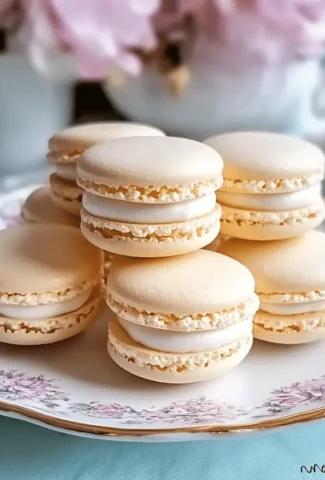
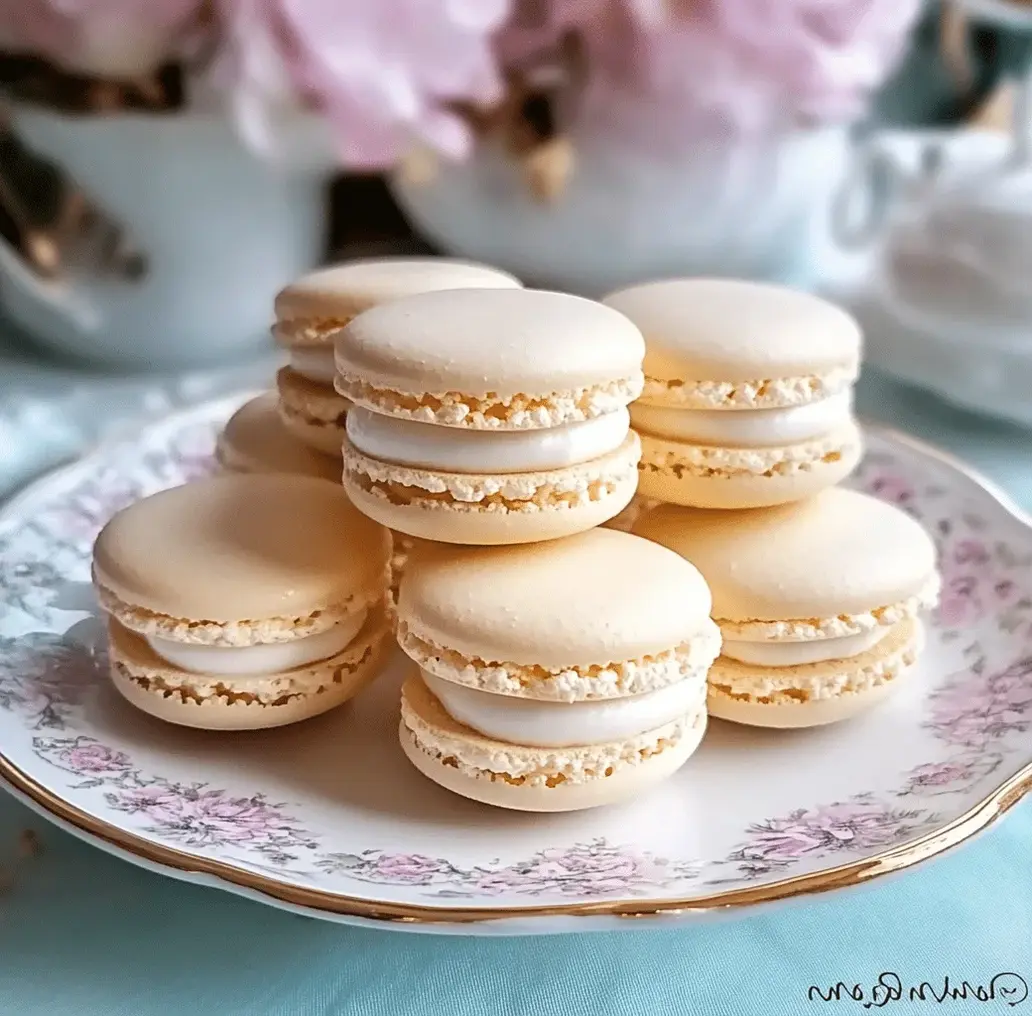
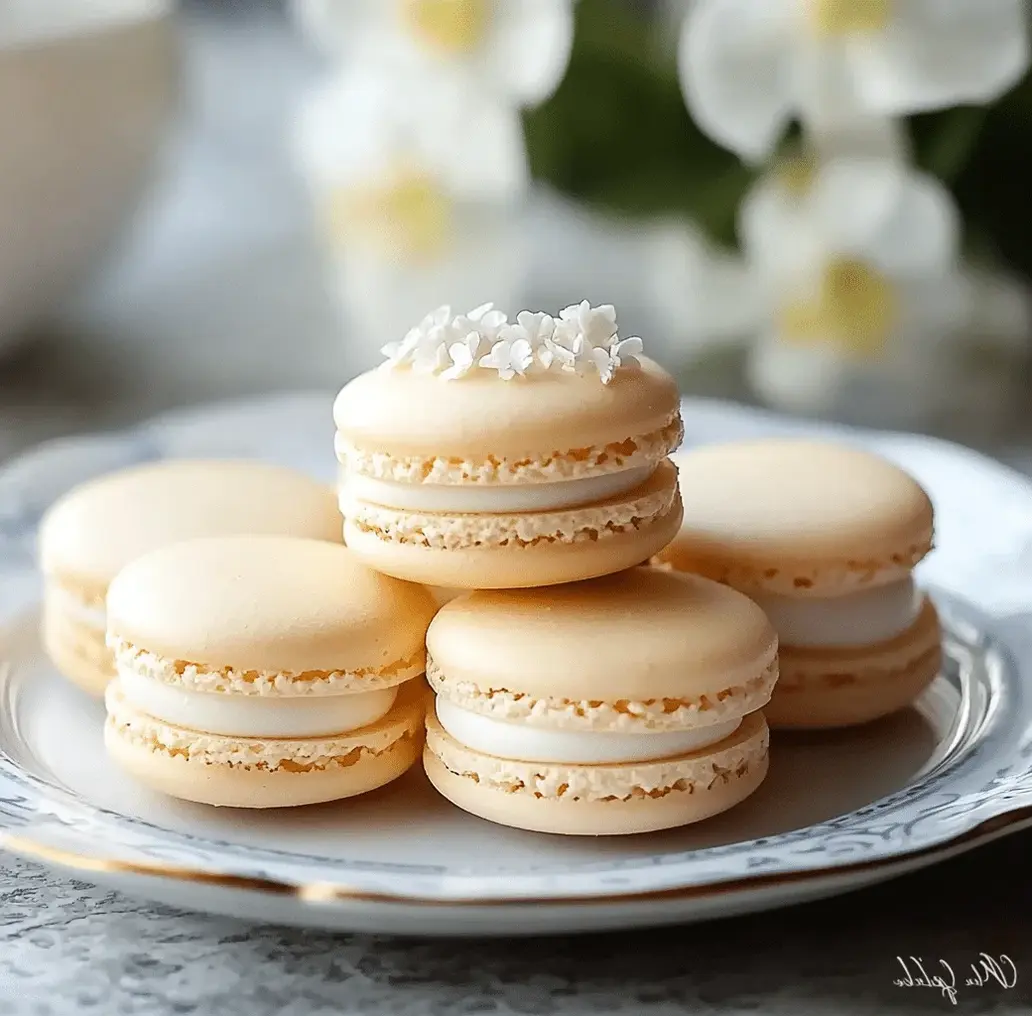
Do you find yourself gazing longingly at delicate, cloud-like macarons in bakery windows, wondering if you too can achieve that signature “foot” and perfectly smooth shell? Many home bakers consider macarons to be the peak of baking challenge, a confection that demands precision, patience, and a touch of magic. But what if I told you that creating restaurant-worthy vanilla macarons is not only possible but also deeply rewarding? The answer lies in understanding the science behind these delicate almond meringue cookies and employing a few key techniques. These vanilla macarons are a celebration of classic simplicity, offering a creamy, sweet, and subtly floral vanilla flavor encased in a delicate, crisp shell with a chewy interior. They are more than just a dessert; they are an experience, perfect for making any occasion feel truly special, from a sophisticated afternoon tea to a joyous birthday celebration. Forget those store-bought disappointments; your homemade vanilla macarons will be the star of the show.
Ingredients: The Foundation of Vanilla Bliss
Achieving perfect macarons hinges on the quality and accuracy of your ingredients. We’re focusing on a classic vanilla flavor, so let’s gather what you’ll need:
For the Macaron Shells:
- 150g Almond Flour: Finely ground is crucial for a smooth shell. Look for blanched almond flour for the best texture. (Substitution: While difficult to substitute entirely, a very finely ground hazelnut flour might work, though it will impart a different flavor.)
- 150g Powdered Sugar (Icing Sugar): Sifted to ensure no lumps. This provides sweetness and structure. (Substitution: Regular granulated sugar cannot be substituted as it won’t dissolve properly.)
- 55g Aged Egg Whites: Room temperature, and ideally “aged” (left uncovered in the fridge for 24-48 hours) to reduce moisture content. This is key for a stable meringue. You’ll need about 2 large eggs worth. (Substitution: You can also use pasteurized egg whites from a carton, ensuring they are at room temperature.)
- 150g Granulated Sugar: For the Italian meringue. This interacts with the egg whites to create a stable, glossy meringue.
- 40ml Water: To dissolve the granulated sugar for the syrup.
- A pinch of Cream of Tartar: Helps stabilize the egg whites. (Substitution: Lemon juice or white vinegar can be used in a pinch, about 1/2 teaspoon.)
- Optional: 1/4 tsp White or Gel Food Coloring: For a brighter white shell. Gel colors are less likely to affect consistency.
For the Vanilla Bean Buttercream Filling:
- 115g Unsalted Butter: Softened to room temperature. This forms the creamy base.
- 200g Powdered Sugar (Icing Sugar): Sifted. For sweetness and structure.
- 1 Vanilla Bean: Scraped seeds, for that authentic, rich vanilla aroma and speckled appearance. (Substitution: 1-2 teaspoons of high-quality pure vanilla extract, or 1 teaspoon of vanilla bean paste.)
- 1-2 tbsp Milk or Heavy Cream: To achieve the perfect consistency.
- Pinch of Salt: Balances the sweetness.
Timing: The Patience Game of Macaron Perfection
45 minutes
15-18 minutes per batch
2 hours (includes aging egg whites and resting time)
Compared to the average cookie recipe which might take 30-45 minutes total, macaron making is a significant time investment. The “aging” of egg whites, the precise cooking of sugar syrup, the careful macaronage, piping, resting, and baking all contribute to a longer process. However, the unparalleled result is well worth the wait and effort!
Step-by-Step Instructions: Crafting Your Vanilla Macarons
Step 1: Prepare the Macaronage Batter
First, sift your almond flour and powdered sugar together into a bowl. Whisk them well to break up any lumps, then sift again through a fine-mesh sieve. This is crucial for smooth-looking shells. Discard any larger almond pieces left in the sieve. Place the sifted dry ingredients into a large mixing bowl. Add half of your aged egg whites (about 27g) to the dry ingredients and mix with a spatula until a thick, paste-like consistency forms. This is called the ‘tama’. Set aside. If using food coloring, prepare it now.
Step 2: Create the Italian Meringue
In a small saucepan, combine the granulated sugar and water. Heat over medium heat, stirring only until the sugar dissolves. Once it begins to bubble, stop stirring and let it cook until it reaches a temperature of 118°C (245°F) on a candy thermometer. While the syrup is cooking, begin whipping the remaining aged egg whites with the pinch of cream of tartar in a stand mixer fitted with the whisk attachment on medium speed until they form soft peaks. Once the sugar syrup reaches 118°C, carefully and slowly pour the hot syrup in a thin, steady stream down the side of the mixing bowl into the whipping egg whites. Be careful not to hit the whisk. Increase the mixer speed to high and continue whipping until the meringue is stiff, glossy, and the bowl feels cool to the touch (around 5-10 minutes). If using food coloring, add it during the last minute of whipping.
Step 3: Macaronage – The Process of Folding
This is the most critical step! Add about one-third of the Italian meringue to the almond flour paste. Gently fold it in with a spatula, using a motion that scrapes down the side of the bowl and then back up through the middle, as if you were folding. This loosens the paste. Add the remaining meringue in two more additions, folding gently each time. The goal is to reach the “lava stage” or “ribbon stage”: when you lift the spatula, the batter should fall in a thick, continuous ribbon, and it should slowly melt back into itself within about 20-30 seconds. Be careful not to overmix, or your macarons will spread too much and won’t have a foot. You want it to be fluid but not watery.
Step 4: Pipe the Macaron Shells
Prepare baking sheets by lining them with parchment paper or silicone baking mats. Draw circles (about 1.5 inches in diameter) on the parchment paper as guides if you wish, then flip the paper over so the ink doesn’t transfer to your macarons. Transfer the macaron batter into a piping bag fitted with a round tip (about 1/2 inch). Hold the piping bag perpendicular to the baking sheet and pipe small mounds of batter, aiming for consistent size. Leave enough space between them as they will spread slightly. Once piped, firmly tap the baking sheets on the counter several times to release any trapped air bubbles. Use a toothpick to pop any remaining bubbles on the surface.
Step 5: Bake to Perfection
Allow the piped macarons to rest at room temperature for at least 30-60 minutes, or until they form a dry skin that you can lightly touch without batter sticking to your finger. This ‘skin’ is essential for developing the characteristic “foot”. Preheat your oven to 150°C (300°F). Bake one sheet at a time on the middle rack for 15-18 minutes, rotating the sheet halfway through. The macarons are done when they have developed a distinct “foot” at the base and the tops are firm and don’t wobble when gently nudged. Let them cool completely on the baking sheet before attempting to remove them. If they stick, gently slide a thin knife or offset spatula underneath.
Step 6: Make the Vanilla Bean Buttercream
While the shells are cooling, prepare the filling. In a medium bowl, beat the softened butter with an electric mixer until creamy. Add the scraped vanilla bean seeds and a pinch of salt. Gradually add the sifted powdered sugar, alternating with the milk or cream, beating until smooth and fluffy. Add more milk/cream if needed to reach a spreadable consistency. Taste and adjust sweetness if necessary.
Step 7: Assemble Your Masterpieces
Once the macaron shells are completely cool, pair up shells of similar size. Pipe or spread a generous amount of vanilla bean buttercream onto the flat side of one shell, then gently sandwich it with its matching shell. Don’t press too hard. For the best texture, allow the assembled macarons to “mature” in an airtight container in the refrigerator for at least 24 hours. This allows the filling’s moisture to soften the shells slightly and meld the flavors.
Nutritional Information (Approximate per Macaron)
- Calories: 120-150
- Fat: 6-8g
- Carbohydrates: 15-20g
- Protein: 1-2g
Note: Nutritional values can vary greatly depending on exact ingredient amounts and preparation methods.
Healthier Alternatives & Flavor Swaps
While macarons are inherently indulgent, you can make slight adjustments:
- Reduced Sugar Filling: If you find the buttercream too sweet, you can halve the powdered sugar and supplement with a cream cheese base for tanginess, or a sugar-free powdered sweetener.
- Fruit Infusions: For the filling, consider folding in a small amount of very thick, reduced fruit puree (like raspberry or passionfruit, simmered to remove excess water) to add natural flavor and reduce reliance on sugar.
- Nut Flour Variations: While almond flour is classic, very finely ground cashew or sunflower seed flour can be explored for different nutritional profiles, though texture and flavor will change.
- Lemon or Orange Zest: Add finely grated zest from a lemon or orange to the buttercream for a bright, fresh flavor that complements vanilla beautifully, reducing the need for extra sweetness.
Serving Suggestions: Elevate Your Presentation
- Serve alongside coffee or tea for an elegant afternoon break.
- Arrange them on a tiered stand for a stunning dessert display at parties.
- Gift them in a beautiful box for a thoughtful homemade present.
- Pair with fresh berries or a light mousse for a more elaborate dessert course.
Common Mistakes to Avoid
- Under/Over-Macaronage: Too little and the batter is too stiff (no foot, cracked shells); too much and the batter is too runny (spreads too thin, sinks, no foot).
- Humidity: Avoid making macarons on very humid days. Moisture in the air affects the meringue and the drying of the shells.
- Imprecise Egg Whites: Using whole eggs or non-aged whites can lead to a weak meringue.
- Oven Temperature Issues: An oven that’s too hot will crack the shells or burn them; too cool won’t develop the foot properly. Use an oven thermometer!
- Not Resting Enough: Skipping the resting/skin-forming step is a common cause of cracked shells.
Storing Tips: Keeping Your Macarons Fresh
- Refrigerated Maturing: As mentioned, store assembled macarons in an airtight container in the refrigerator for at least 24 hours before serving.
- Short-Term Storage: Once matured, they can be kept in an airtight container in the refrigerator for up to 5 days.
- Freezing: Unfilled macaron shells freeze well. Place them in an airtight container, separated by parchment paper, for up to 1 month. Thaw at room temperature before filling. Assembled macarons can also be frozen, but the texture might change slightly upon thawing.
Frequently Asked Questions
***When do I know my meringue is stiff enough?***
Your Italian meringue is ready when it holds stiff peaks, meaning when you lift the whisk, the meringue stands straight up without curling over. The meringue should also look glossy and the bowl should have cooled down considerably.
***Can I use regular food coloring?***
It’s best to use gel or powder food coloring. Regular liquid food coloring contains too much moisture, which can destabilize your meringue and affect the macaronage consistency.
***Why are my macarons cracked?***
Cracked macarons are usually due to oven temperature being too high, not resting/drying the piped shells long enough, or over-whipping the meringue.
***How do I get the “foot” on my macarons?***
The “foot” develops from a combination of the proper macaronage consistency, the formation of a dry skin on the surface during resting, and a hot, consistent oven temperature. Baking on the middle rack also helps.
***What is “aging” egg whites and why is it important?***
Aging egg whites involves leaving them separated and uncovered in the refrigerator for 1-3 days. This evaporates some moisture and denatures the proteins, making them more stable and resulting in a sturdier meringue, which is crucial for macarons.
Conclusion: Share the Sweetness
Mastering the vanilla macaron is a journey, but with patience and attention to detail, you can achieve truly delightful results. These elegant cookies, with their delicate shells and creamy vanilla filling, are the perfect way to impress guests or simply treat yourself. Embrace the process, learn from each batch, and soon you’ll be creating your own irresistible vanilla macarons that are sure to become a centerpiece for any occasion. Don’t be discouraged by initial attempts; perseverance is key!
Irresistible Vanilla Macarons Recipe for Every Occasion
These Vanilla Macarons are classic, creamy, and irresistibly sweet, making them the perfect addition to any special occasion.
Ingredients
- 120galmond flour
- 200gpowdered sugar
- 100gaged egg whites (about3large eggs)
- 50ggranulated sugar
- 1 tspvanilla extract or vanilla bean paste
- 1/8 tspsalt
- 113gunsalted butter (room temperature)
- 180gpowdered sugar (for buttercream)
- 1–2tbsp heavy cream or milk
Instructions
- Start your macaron journey by sifting together the almond flour and powdered sugar into a large mixing bowl. Set this mixture aside while you work on your egg whites.
- In a different bowl, beat the aged egg whites with a mixer until foamy. Gradually add in the granulated sugar while continuing to whisk until you reach stiff, glossy peaks.
- Once your meringue is ready, gently mix in the vanilla extract or vanilla bean paste.
- Fold the almond flour and powdered sugar into the meringue in batches until the mixture flows like lava.
- Transfer the batter into your piping bag fitted with a round tip. Pipe 1.5-inch circles onto a lined baking tray.
- Once piped, tap the trays firmly on your kitchen counter and allow them to sit at room temperature for 30 to 60 minutes.
- Preheat your oven to 300°F (150°C) and bake the macarons for 14 to 16 minutes.
- Allow the shells to cool completely on the baking tray.
- While the shells cool, prepare your vanilla buttercream filling.
- Once the shells are completely cool, pipe the buttercream onto half of the shells and sandwich them together with the other halves.
- For best flavor, refrigerate the assembled macarons for 24 to 48 hours before serving.
Notes
Humidity can significantly affect macarons, so consider making them on a dry day for best results.
Nutrition
- Calories: Approximately 100 per macaron
- Protein: 1 g per macaron
“`
Leave a Reply