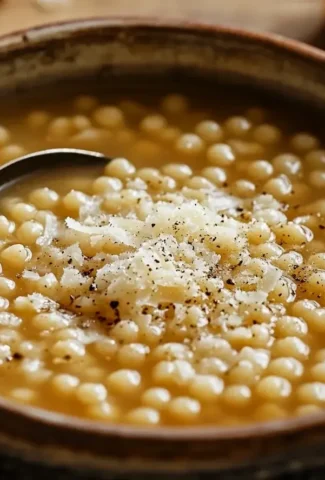
Table of Contents
Italian Penicillin A Comforting Pastina Soup Recipe
Feeling Under the Weather? This Italian Penicillin Soup is Your Answer!
When the sniffles hit, or a chilly evening demands an embrace of warmth, what’s your go-to comfort food? For many, a simple chicken noodle soup does the trick. But have you ever heard of “Italian Penicillin”? This traditional Italian pastina soup is a culinary remedy, a balm for the soul as much as for the body. It’s lauded for its simple, yet profoundly comforting, ingredients that come together to create a light, restorative broth brimming with tiny pasta. If you’re seeking a nourishing, easy-to-make dish that feels like a hug in a bowl, you’ve found your perfect recipe. Let’s dive into how to make this Italian tradition in your own kitchen.
Ingredients for Your Italian Penicillin
The beauty of Italian Penicillin lies in its simplicity. It uses pantry staples you likely already have, making it an ideal last-minute meal. The quality of your broth is paramount here, as it forms the soulful base of this soup.
- High-Quality Chicken Broth: 6 cups. This is the heart of your soup. Opt for low-sodium so you can control the saltiness. A richer, homemade broth will elevate this soup to extraordinary levels.
- Olive Oil: 2 tablespoons. A good extra virgin olive oil adds a lovely peppery note and helps sauté the aromatics beautifully.
- Garlic: 3-4 cloves, minced. Garlic is a powerhouse of flavor and essential for that “penicillin” kick. Don’t be shy with it!
- Carrot: 1 medium, finely diced. Adds a touch of sweetness and visual appeal. Aim for small, uniform pieces.
- Celery: 1 stalk, finely diced. Contributes a subtle, savory depth. Again, small dice is key.
- Pastina: 1/2 cup. These are tiny pasta shapes – think acini di pepe, stelline (stars), or orzo if you can’t find true pastina. They cook quickly and absorb the broth’s goodness.
- Fresh Parsley: 1/4 cup, chopped. For a burst of freshness and color at the end.
- Lemon: Juice of 1/2 lemon. This is the “penicillin” secret ingredient! It brightens everything up and adds a zesty tang that cuts through the richness.
- Salt and Black Pepper: To taste. Essential for bringing out all the flavors.
- Optional: A pinch of Red Pepper Flakes: For a hint of warmth.
- Optional: Parmesan Cheese: For serving. A sprinkle adds a salty, umami finish.
Substitutions: If you’re vegetarian or vegan, use a high-quality vegetable broth instead of chicken broth. For gluten-free needs, you can find gluten-free pastina or substitute with small gluten-free grains like quinoa or small rice shapes (adjust cooking time accordingly).
Timing is Everything
15 minutes
20 minutes
35 minutes
Compared to many elaborate soups that can take hours, Italian Penicillin is a marvel of efficiency. Most recipes for similar restorative broths hover around the 45-minute mark, making our 35-minute Italian Penicillin a quicker, yet equally satisfying, option.
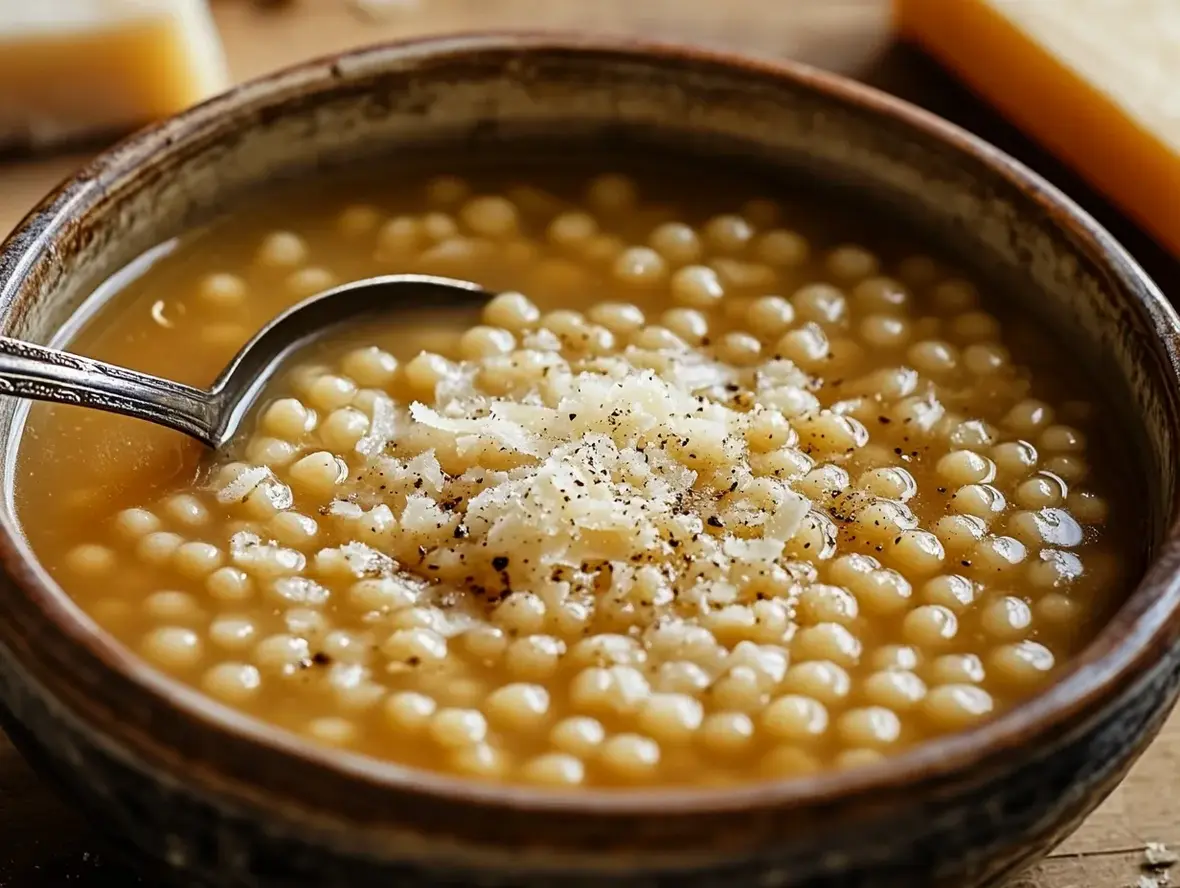
Crafting Your Italian Penicillin: Step-by-Step
Step 1: Prep the Broth
Begin by pouring your chicken broth into a medium-sized pot or Dutch oven. If you’re using a low-sodium broth, this is where you’ll want to start building flavor. Set it aside to heat gently as you prepare the aromatics.
Step 2: Aromatics and Flavor
In a separate small saucepan or directly in the soup pot (if you’re doing a one-pot wonder), heat the olive oil over medium heat. Add the minced garlic, diced carrot, and diced celery. Sauté gently for about 5-7 minutes, until the vegetables are softened and the garlic is fragrant but not browned. Browning the garlic can make it bitter, so keep a close eye on it!
Step 3: Simmer and Infuse
Once the aromatics are softened, add them to the main pot of chicken broth. Bring the broth to a gentle simmer. Let it simmer for at least 10 minutes to allow the flavors of the garlic, carrot, and celery to meld beautifully with the broth. This is where the magic of infusion happens, creating that comforting base.
Step 4: Cook the Pastina
Increase the heat slightly to a rolling simmer. Add the pastina directly to the simmering broth. Cook according to the package directions, which is usually only 5-8 minutes for these tiny shapes. Stir occasionally to prevent the pastina from sticking to the bottom of the pot. You want the pasta to be al dente – tender but with a slight bite.
Step 5: Finish and Serve
Once the pastina is cooked, remove the pot from the heat. Stir in the fresh chopped parsley and the juice of half a lemon. Taste and season generously with salt and freshly ground black pepper. Add a pinch of red pepper flakes if you like a little heat. Ladle the hot soup into bowls. For an extra touch of indulgence, feel free to top with a sprinkle of grated Parmesan cheese. Serve immediately and feel the warmth spread through you.
Nutritional Information (Approximation)
This is a lighter soup, focusing on hydration and easily digestible nutrients. Exact values can vary based on the broth and pasta used.
- Calories: ~150-200 per serving
- Protein: ~8-12g
- Carbohydrates: ~15-20g
- Fat: ~5-8g
- Sodium: Varies based on broth (use low-sodium to control)
Healthier Alternatives & Swaps
While this soup is already quite healthy, here are a few ways to boost its nutritional profile even further:
- Use Vegetable Broth: For a lighter, vegan option.
- Add More Veggies: Finely chopped spinach, kale, or zucchini can be added in the last few minutes of simmering for an extra nutrient boost.
- Whole Grain Pastina: If available, opt for whole-grain versions of pastina for added fiber.
- Skip the Cheese: If you’re watching fat or sodium intake, omit the Parmesan.
Serving Suggestions
Italian Penicillin is best enjoyed piping hot. It’s a meal in itself, but consider these pairings:
- Serve with a side of crusty Italian bread for dipping into the flavorful broth.
- A simple green salad with a light vinaigrette complements the soup perfectly.
- For an extra comforting meal, pair with a small portion of grilled chicken or fish.
Common Mistakes to Avoid
Even simple recipes have their pitfalls. Here’s how to ensure your Italian Penicillin is perfect every time:
- Overcooking the Pastina: Tiny pasta gets mushy very quickly. Keep a close eye on it and cook until just al dente.
- Using Low-Quality Broth: The broth is the star. Invest in a good quality one or make your own for the best flavor.
- Forgetting the Lemon: The lemon juice is crucial for balancing the flavors and earning its “penicillin” name. Don’t skip it!
- Browning the Garlic: Burnt garlic turns bitter. Cook it gently until fragrant.
Storing Tips
Leftover Italian Penicillin can be stored, but with a caveat:
- Refrigeration: Store cooled soup in an airtight container in the refrigerator for up to 3 days. However, the pastina will continue to absorb liquid and can become very soft.
- Reheating: When reheating, you may need to add extra broth or water, as the pasta will have absorbed a lot of the liquid. Add the lemon juice and parsley *after* reheating to preserve their fresh flavors. It’s often best to cook the pastina separately and add it to individual bowls of reheated broth if you plan on storing for longer than a day.
- Freezing: This soup is not ideal for freezing, as the pasta can become mushy upon thawing.
A Bowl Full of Comfort and Healing
Italian Penicillin is more than just a soup; it’s a tradition, a spoonful of comfort, and a gentle nudge towards wellness. Its simplicity belies its profound ability to soothe and nourish. So, the next time you’re feeling a bit under the weather or simply craving a warm, familiar hug, reach for this recipe. It’s a testament to how a few humble ingredients can create something truly magical. We hope you enjoy this heartwarming Italian classic! Let us know in the comments below how yours turned out, or if you have any special family variations! Don’t forget to share this recipe with friends and family who could use a little Italian Penicillin in their lives.
Frequently Asked Questions
***What makes this soup called “Italian Penicillin”?***
It’s called “Italian Penicillin” because, like the antibiotic, it’s believed to have healing and comforting properties. The simple, nourishing ingredients and the warmth of the broth are thought to aid recovery when you’re feeling unwell.
***Can I use a different type of pasta?***
Absolutely! While true pastina is ideal, small shapes like ditalini, orzo, or even small macaroni will work. Just adjust the cooking time according to the pasta’s package directions.
***Is this soup good for actual colds?***
While it’s not a medical treatment, the warm, hydrating broth, soothing pasta, and beneficial garlic and lemon can definitely make you feel more comfortable and provide much-needed nutrients when you have a cold.
***How can I make this soup richer?***
For a richer soup, you can use homemade chicken stock, add a splash of white wine to the aromatics before adding the broth, or even add a small amount of heavy cream at the very end (though this deviates from the traditional light “penicillin” style).
***Can I add chicken to this soup?***
Yes, you can! Cooked shredded chicken can be added along with the pastina, or you can use chicken broth made from a whole chicken.
Italian Penicillin: Pastina Soup

A comforting and simple Italian classic,Pastina Soup(often called “Italian Penicillin”) is the ultimate remedy for cold days or when you’re feeling under the weather. With tiny star-shaped pasta, a velvety egg finish, and a touch of Parmesan, this quick and satisfying soup warms the soul.
Ingredients
- 4 cupschicken broth (homemade or store-bought)1 cuppastina pasta (tiny star-shaped or pearl-shaped pasta)1egg, beaten¼ cupfreshly grated Parmesan cheese1 tablespoonbutterSalt and pepper, to taste
- 1 cuppastina pasta (tiny star-shaped or pearl-shaped pasta)1egg, beaten¼ cupfreshly grated Parmesan cheese1 tablespoonbutterSalt and pepper, to taste
- 1egg, beaten¼ cupfreshly grated Parmesan cheese1 tablespoonbutterSalt and pepper, to taste
- ¼ cupfreshly grated Parmesan cheese1 tablespoonbutterSalt and pepper, to taste
- 1 tablespoonbutterSalt and pepper, to taste
- Salt and pepper, to taste
Instructions
- 1️⃣Heat the Broth:In a medium pot, bring the chicken broth to a gentle boil over medium heat.2️⃣Cook the Pastina:Add the pastina to the boiling broth. Cook for 6–8 minutes, stirring occasionally, until the pasta is tender.3️⃣Create Creamy Richness:Reduce the heat to low. Slowly drizzle the beaten egg into the simmering soup while whisking continuously to form silky strands.4️⃣Finish with Butter & Cheese:Stir in the butter and Parmesan cheese until fully melted and combined. Taste and season with salt and pepper as needed.5️⃣Serve:Ladle the soup into bowls, top with extra Parmesan and a sprinkle of black pepper, and serve immediately.
- 2️⃣Cook the Pastina:Add the pastina to the boiling broth. Cook for 6–8 minutes, stirring occasionally, until the pasta is tender.3️⃣Create Creamy Richness:Reduce the heat to low. Slowly drizzle the beaten egg into the simmering soup while whisking continuously to form silky strands.4️⃣Finish with Butter & Cheese:Stir in the butter and Parmesan cheese until fully melted and combined. Taste and season with salt and pepper as needed.5️⃣Serve:Ladle the soup into bowls, top with extra Parmesan and a sprinkle of black pepper, and serve immediately.
- 3️⃣Create Creamy Richness:Reduce the heat to low. Slowly drizzle the beaten egg into the simmering soup while whisking continuously to form silky strands.
- 4️⃣Finish with Butter & Cheese:Stir in the butter and Parmesan cheese until fully melted and combined. Taste and season with salt and pepper as needed.5️⃣Serve:Ladle the soup into bowls, top with extra Parmesan and a sprinkle of black pepper, and serve immediately.
- 5️⃣Serve:Ladle the soup into bowls, top with extra Parmesan and a sprinkle of black pepper, and serve immediately.
Notes
For added flavor, toss in fresh herbs like parsley or a pinch of nutmeg.Customize by adding shredded chicken or diced vegetables for a heartier meal.
Customize by adding shredded chicken or diced vegetables for a heartier meal.
Leave a Reply