Table of Contents
Red Wine Braised Short Ribs in Dutch Oven – Dutch Oven Slow‑Braising for Tender, Flavorful Ribs
Growing up in Morocco, I learned that the heart of a meal is patience and technique. When I first saw a recipe for “Red Wine Braised Short Ribs” on a New York Food Network show, I thought, “Why not combine that with my love of a Dutch oven? This Dutch Oven Slow‑Braising technique will give the ribs silky tenderness and a wine‑rich depth that homemade French braises never quite capture.” In this rendition, the humble short ribs become a showcase of slow, sticky glaze, simmered to perfection in a seasoned stone‑ware pot.
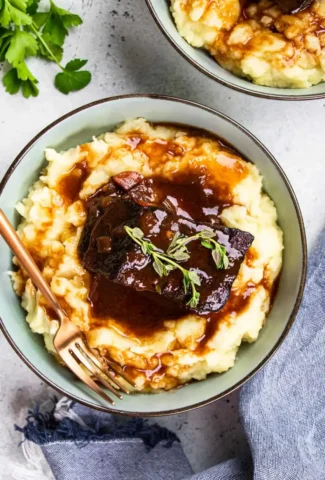
Imagine the aroma that fills your kitchen: sweet caramelized onions, earthy celery and carrot, a hint of crushed garlic, and a deep, velvety Cabernet that bubbles up onto the counter, filling every corner of the apartment. The ribs themselves are orange‑brown, caramelized on the outside but still a pink blush inside. The sauce has a luminous sheen, thick enough to cling to the meat, and the final bite offers a sweet, herbaceous finish from thyme and bay leaves that lingers long after you’re done.
What sets my version apart is that I start with a precise deglazing step in the Dutch oven, using a splash of the same Cabernet I’ll use for braising. I also let the ribs rest under foil for 10 minutes after baking—so the meat’s juices have time to redistribute, tightening the flavor. A common mistake I see in other versions is adding the broth too early; my version layers the broth after the wine reduction, ensuring the brown sugars are fully released for that glossy finish. Stay tuned for the quick pro tip that will help you keep the meat moist and the sauce buttery.
Why This Red Wine Braised Short Ribs Recipe Is the Best
Flavor is the foundation: using a crisp Cabernet Sauvignon highlights the natural bitterness of the wine against the hormones in the beef, while the French deglazing technique locks in caramelized sugars, turning the sauce into a velvety laurel of savory depth. My Moroccan upbringing taught me that heat and patience are allies, so this slow‑braising process in a Dutch oven keeps the marrow‑rich bones, resulting in melt‑in‑the‑mouth tenderness that’s hard to beat.
Texture is perfected by browning the ribs first, creating a Maillard crust that seals in flavor. The Dutch oven’s heavy lid traps steam, allowing the bones to soften while the browning palate remains. Adding herbs like bay leaf, thyme and oregano later gives a subtle aromatic burst without camouflaging the meat’s own profile. Feel the rug of granules on your palate – the result of a methodically layered braise.
For beginners, the guide is straightforward: heat the Dutch oven, brown in batches, simmer the wine for 20 minutes, then add the broth and complete the 3‑hour oven rest. The structured steps, coupled with clearly marked pro tips, ensure it’s a low‑risk, high‑reward experience. No white-knuckle fun‑drafts, just a steady progression to a comforting bowl of beef.
Red Wine Braised Short Ribs Ingredients
I grab these on a rainy Tuesday in Manhattan’s Union Square, when the butchers line up to offer the freshest cuts. The Mediterranean roots behind my palate mean I always seek the perfect balance of fat to muscle, and I pair these rubs with a classic French herb garnish to echo culinary traditions.
Ingredients List
- 2 tablespoons olive oil
- 3‑4 pounds bone‑in short ribs (8‑10 pieces)
- Salt and pepper (to taste)
- 1 large onion, diced
- 2 stalks celery, diced
- 2 carrots, diced
- 3 cloves garlic, crashed
- 2 tablespoons tomato paste
- 2 cups Cabernet Sauvignon
- 3 cups beef broth
- 2 bay leaves
- 1 sprig thyme
- 1 sprig oregano
Ingredient Spotlight
Bone‑in short ribs: choose meaty cuts with a good marbling ratio—look for a dark, fatty cap that will render into a silky jus. If you’re leaning toward a leaner alternative, substitute with beef chuck roast; flavor will remain but the chew will differ slightly.
Cabernet Sauvignon: a fruity, tannic wine with notes of dark fruit and subtle oak. Choose a mid‑price point (10‑15$) for the best balance of acidity and flavor. Swap for a Syrah if you prefer a smokier undertone.
Olive oil: I use extra‑virgin for the low‑heat finish; however, for higher heat browning, a refined neutral oil can prevent scorching while still supporting the Maillard reaction.
| Original Ingredient | Best Substitution | Flavor / Texture Impact |
|---|---|---|
| Short Ribs | Chuck Roast | Leaner, slightly firmer |
| Cabernet Sauvignon | Syrah | Smokier, peppery nuance |
| Olive Oil | Canola Oil | Higher smoke point, neutral flavor |
How to Make Red Wine Braised Short Ribs – Step by Step
Get ready to turn a simple cut into a kitchen masterpiece with slow, aromatic heat.
Step 1: Preheat Oven
Set your oven to 350°F (175°C) and let it reach the temperature while you finalize the other elements. A consistent heat ensures an even braise without blood piping through the meat.
💡 Samantha’s Pro Tip: Set your oven to “warm” on the rack halfway, so you can adjust later without over‑cooking.
Step 2: Season Ribs
Pat the short ribs dry with paper towels. Generously season with sea salt and freshly cracked black pepper on both sides. The seasoning not only flavors but aids browning.
⚠️ Common Mistake to Avoid: Over‑salting before browning can pull moisture out, leaving the meat dry once braised.
Step 3: Brown Ribs
Heat 2 Tbsp olive oil in a 6‑quart Dutch oven over medium‑high. Brown ribs in batches, 5‑6 minutes per side. Flip only once per batch to form caramelized crust. Set aside on a plate.
💡 Samantha’s Pro Tip: Don’t crowd the pot; partial searing keeps the temperature stable.
Step 4: Cook Vegetables
Add diced onion to the same pot and sauté until translucent, about 8‑10 minutes. Introduce celery and carrots; simmer 3‑5 minutes to soften. The veggies form a flavorful base.
⚠️ Common Mistake to Avoid: Skipping the caramelization of onion can leave the sauce flat.
Step 5: Garlic & Tomato Paste
Add crushed garlic and 2 Tbsp tomato paste; cook 2 minutes until fragrant. The paste darkens the sauce and deepens the savory notes.
💡 Samantha’s Pro Tip: Toast the paste briefly first to avoid its raw bitterness.
Step 6: Deglaze with Wine
Pour in 2 cups Cabernet, bring to a gentle boil, then lower to medium; simmer until it reduces by half, 15‑20 minutes. The reduction concentrates flavor and creates a glossy base.
⚠️ Common Mistake to Avoid: Adding broth too early, before reduction, dilutes the wine’s punch.
Step 7: Add Beef Broth
Stir in 3 cups of beef broth, adjusting the volume to cover the ribs. Bring back to a simmer, tasting for salt balance.
💡 Samantha’s Pro Tip: Use a homemade broth for a deeper umami kick, or a high‑quality store brand as a quick alternative.
Step 8: Return Ribs
Re‑lay the browned ribs into the pot. Add bay leaves, thyme, and oregano. The herbs will simmer into the liquid, seasoning the meat.
⚠️ Common Mistake to Avoid: Leaving the liquid too thin; keep the liquid simmering slowly above the ribs.
Step 9: Bake
Cover tightly with the lid and slide the Dutch oven into the preheated oven. Bake for 2 ½‑3 hours, until meat is tender and can be pulled away from the bone.
💡 Samantha’s Pro Tip: After 2 hours, poke a small flat piece of meat; if it takes long to pry off, give it another 20‑30 minutes.
Step 10: Cool & Serve
Transfer ribs onto a plate, loosely cover with foil, and let rest for 10 minutes. This allows juices to redistribute. The meat will be moist and succulent.
⚠️ Common Mistake to Avoid: Serving immediately can release juices onto the table and flatten flavor.
Step 11: Strain Sauce
Strain the braising liquid through a fine sieve, discarding the vegetables. The resulting pan‑finish gives a smooth jus.
💡 Samantha’s Pro Tip: Loosely press the vegetable solids against the sieve to release extra liquid.
Step 12: Simmer & Thicken
Return the strained liquid to the pot, bring to a simmer, and reduce until the sauce thickens to glaze consistency. Taste and adjust seasoning if needed.
⚠️ Common Mistake to Avoid: Over‑reducing can burn the sugars and cause bitterness.
| Step | Action | Duration | Key Visual Cue |
|---|---|---|---|
| 1 | Preheat Oven | 5‑10 min | Heat Settles |
| 2 | Season Ribs | 2 min | Sizzling |
| 3 | Brown Ribs | 10 min | Golden Crust |
| 4 | Cook Vegetables | 13 min | Soft & Light |
| 5 | Garlic & Paste | 2 min | Rich Aroma |
| 6 | Deglaze | 15‑20 min | Brown Base |
| 7 | Add Broth | 5 min | Simmer |
| 8 | Return Ribs | 2 min | Layered |
| 9 | Bake | 150 min | Tender Check |
| 10 | Cool & Rest | 10 min | Juice Redistribution |
| 11 | Strain Sauce | 3 min | Smooth |
| 12 | Simmer/Thicken | 5‑10 min | Glaze |
Serving & Presentation
Plate the ribs on a warm, rustic wooden board. Drizzle the reduction over the meat, then scatter fresh thyme sprigs for a pop of green. I usually serve them with a side of creamy mashed potatoes that soak up the sauce—a lively contrast to the smoky, deeper flavor of the ribs.
For a lively contrast, add a handful of roasted root vegetables, like parsnips or sweet potatoes, that recover in the oven for the last 30 minutes. The earthy sweetness helps elevate the savory meat. A light, herb‑infused butter or a simple béarnaise would serve as a decadent sauce if you want to bring French elegance to the table.
In Morocco I would finish with a squeeze of green tea wine for a paradoxical finish. In NYC, the kombucha bottle you find at a local farm stand works wonders, adding a subtle fizz that brightens everything. Either way, this dish invites you to sit down, relax, and let the flavors melt in conversation.
| Pairing Type | Suggestions | Why It Works |
|---|---|---|
| Side Dish | Herbed mashed potatoes, crusty bread, caramelized onion quinoa. | Absorbs the sauce, offers contrasting texture. |
| Sauce / Dip | Beurre blanc, grated cheese, garlic aioli. | Adds richness, balances acidity. |
| Beverage | Full‑bodied red wine (Cabernet or Syrah), cold beer (brown ale), or sparkling rosé. | Aligns with the bold, smoky meat. |
| Garnish | Fresh parsley, microgreens, toasted almond slivers. | Adds color, texture, and a subtle nutty note. |
Make‑Ahead, Storage & Reheating
I not only love the meal when freshly made but also store it for weeks, making it perfect for busy evenings or pre‑meal prep. Rolling it up in foil and refrigerating sets a gentle chill, then leftovers reheat to near‑perfect tenderness without drying out.
| Method | Container | Duration | Reheating Tip |
|---|---|---|---|
| Refrigerator | Ziploc or Mason jar | 2‑3 days | Microwave or stovetop with a splash of broth. |
| Freezer | Heavy‑duty freezer bag, vacuum seal | 3‑4 months | Thaw overnight, then reheat slowly over low heat. |
| Make‑Ahead | Pre‑cook sauce, store separately; assemble before serving. | Up to a week | Reheat sauce, add fresh meat. |
I found that a slow reheating routine—low simmer with a splash of broth—keeps the meat super juicy, while a quick microwave only dries it out. When I prepare meals in advance, I usually portion the sauce separately, thaw it first, then add the bones for a fresh, restaurant‑like experience.
Variations & Easy Swaps
| Variation | Key Change | Best For | Difficulty Impact |
|---|---|---|---|
| Harissa‑Spiced Ribs | Add 1 tsp harissa paste in step 5. | Spice lovers, bold evenings. | +1 minute. |
| Gluten‑Free Version | Replace soy sauce with tamari; cook shells for 1 hour. | For gluten‑sensitive diners. | Same. |
| Autumn Cherry Reduction | Simmer 1 cup fresh/ice‑canned cherries in step 6. | Seasonal side at Thanksgiving. | +10 minutes. |
Harissa‑Spiced Ribs
Blend a tablespoon of North African harissa into the garlic‑tomato sauce. The spicy bite reminds me of street‑food stalls in Casablanca and pairs beautifully with the deep wine taste, creating an unforgettable Kebab‑kitchen crossover.
Gluten‑Free Version — Substitute for Ethnic Crave
Swap traditional soy‑based seasoning for a tamari or coconut aminos. Keep the cooking time intact; the flavor profile stays rich with a subtle umami twist that’s also safe for gluten‑sensitive families.
Autumn Cherry Reduction
Add a cup of fresh cherries in step 6 to caramelize with wine, all the way into a sweet‑tart glaze. Paired with pumpkin mashed potato, this color splash brings home the warmth of a cozy fall kitchen.
How long does it take to braise short ribs?
It depends on the cut and the cooking method. For bone‑in short ribs, a typical braising time ranges from 2½ to 3 hours at a steady 350°F once into the oven. The goal is for the connective tissue to break down into gelatin, giving the meat a melt‑in‑the‑mouth tenderness that can’t be achieved in a short pan simmer.
Can I use a different wine for braising?
Absolutely. While Cabernet Sauvignon is the traditional choice because of its tannic backbone, you can experiment with a Shiraz for a smoky undertone, a Merlot for fruitier richness, or even a dry red blend from Provence for lighter acidity. Just aim for a wine you’d enjoy sipping, as its flavor carries the final product.
What’s the best way to store leftovers?
Refrigerate properly in an airtight container or heavy‑duty zip‑lock bag. Keep them for up to 3 days. When reheating, add a splash of fresh broth and gently warm on low heat to keep texture intact. Freezing works too—just keep the ribs separate from the sauce to avoid sogginess.
What side dishes go best with braised short ribs?
Sturdy sides that hold up to rich sauces are ideal. Creamy mashed potatoes, roasted root vegetables, or a simple green bean almondine lend texture. For a lighter palate, a fresh apple‑cider or spinach salad with vinaigrette gives contrast, while herbed rice pilaf cleanses the flavor profile.
How can I make this recipe vegetarian?
Replace the ribs with hearty root vegetables or a slab of thick portobello mushroom caps. Follow the same browning, vegetables, wine reduction steps, then slow‑cook. Add soy or plant‑based broth, and finish with a splash of balsamic or a drizzle of garlic‑infused oil for thickness. The result will be savory, gelatinous, and satisfying.
What should I do if the sauce is too thin?
Simmer the sauce longer on low heat until the desired consistency is achieved. Alternatively, whisk in a slurry of cornstarch and cold water or a few tablespoons of flour to create a quick thickener. Just remember to simmer a few minutes afterward to cook off any raw flour taste.
Can I use a different cut of beef?
Yes, chuck roast or brisket work well in a slow‑braise. They’re tougher cuts that become tender and flavorful when cooked slowly with wine and aromatics. Cut into similar sized pieces, follow the same seasoning and browning steps; you’ll end up with a hearty, comforting dish.
What spice blend would enhance the sauce?
Anise seed, a pinch of smoked paprika, or a handful of fresh rosemary all introduce distinct aromatics. Add them during step 5, when the tomato paste and garlic are cooking, so the spices integrate into the flavor base for a layered, aromatic final.
How do I keep the ribs from drying out?
Toss the ribs in a dry rub of salt, pepper, and a touch of smoked paprika before browning. Remove them after browning, then place them back with the sauce before baking. Cover tightly, and let the meat rest on foil after cooking; this traps heat and moisture for a juicy bite.
What’s a quick alternative for a weeknight dinner?
Fold diced short ribs into a pre‑made red‑wine sauce, then add a splash of broth and simmer for 30 minutes while you sauté a quick kale sauté. The combination delivers a full, comforting meal in under an hour without sacrificing depth or flavor.
Share Your Version!
I’d love to hear how you tweak this recipe for your family. Drop a star rating and comment below—what changes did you make? If you’re sharing in the kitchen, snap a photo, share it on Instagram or Pinterest, and tag @mykitchenstorie. Tell me: what’s the one ingredient you would swap to bring your own unique twist?
From my NYC kitchen to yours — I hope this recipe brings as much warmth to your table as it does to mine. — Samantha 🧡
Love This Recipe? Save It to Pinterest!
If you enjoyed this Red Wine Braised Short Ribs recipe, don’t let it get lost in your browser tabs! 😄 Pin it now so you can find it again anytime — and explore hundreds more tried-and-tested recipes waiting for you on my Pinterest boards.
👉 Follow Samantha on Pinterest @exorecipe
📌 Pin this recipe · 🔁 Re-pin your favorites · 💬 Tag me when you make it — I love seeing your creations!
Have a question or a twist of your own? Let’s chat!
Drop me a comment or hit the share button on social; I’m always excited to hear how you turn my North African and Parisian kitchens into your own.
Red Wine Braised Short Ribs in Dutch Oven
Red Wine Braised Short Ribs is the best recipe for tender fall apart bone-in beef short ribs slow cooked with gravy in a Dutch Oven. This is a perfect comfort meal you can make at home for your friends and family!
Ingredients
- 2 tablespoons olive oil
- 3–4 pounds bone-in short ribs (8–10 pieces)
- Salt (pepper to taste)
- 1 large onion (diced)
- 2 stalks celery (diced)
- 2 carrots (diced)
- 3 cloves garlic (crashed)
- 2 tablespoons tomato paste
- 2 cups wine (Cabernet Sauvignon)
- 3 cups beef broth
- 2 bay leaves
- 1 spring thyme
- 1 spring oregano
Instructions
- To start, lets preheat the oven to 350°F.
- Rinse and pat dry the meat and generously season with salt and pepper.
- Heat 2 tbsp olive oil in 6 Qt Dutch oven over medium-high heat. Brown the meat in two batches for 5-6 minutes on each side, then transfer to a plate and set aside.
- Add 1 diced onion and cook for 8-10 minutes or until translucent and softened. Then add 2 stalks diced celery and 2 diced carrots, and cook for 3-5 minutes more.
- Add 3 cloves smashed garlic and 2 tbsp tomato paste and cook for a few more minutes.
- Stir in 2 cups wine, bring to boil, lower the heat to medium and simmer until it reduces in half, about 15-20 minutes.
- Add 3 cups beef broth and stir.
- Transfer the meat back to the pot, add bay leaves, thyme and oregano.
- Cover with the lid and transfer to the oven.
- Cook for 2 ½-3 hours or until the ribs are tender.
- Transfer the meat to the plate and cover with foil.
- Strain the sauce and set discard the vegetables.
- Pour the liquid back to the pot and simmer until it thickens.
Leave a Reply