Table of Contents
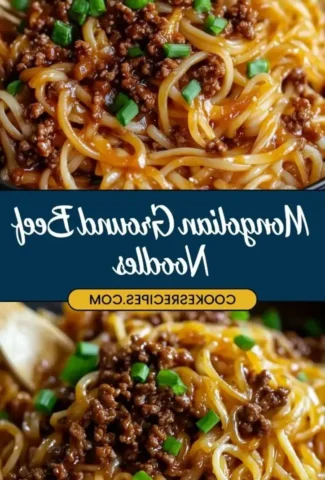
Mongolian Ground Beef Noodles Umami Sauce Twist – A Weeknight Masterpiece
Growing up between the vibrant spice markets of Morocco and the rigid, classical kitchens of Paris, I learned one thing early on: flavor is non-negotiable, but time often is. In my current life as a chef in New York City, I crave dishes that pack the punch of a slow-cooked meal but fit into a frantic Tuesday schedule. These Mongolian Ground Beef Noodles are exactly that. They remind me of the late-night noodle shops in Chinatown, but with a refined sauce technique I picked up during my culinary school days. It’s a dish that bridges continents, using the convenience of ground beef to deliver a luxury dining experience right at your kitchen table.
The magic of this recipe lies in the interplay of textures and the deep, glossy umami sauce twist. When the savory browned beef meets the sticky sweetness of brown sugar and the pungent depth of fresh ginger and garlic, your kitchen will smell like a five-star bistro. I use linguine here—a trick I learned in Manhattan—because its flat surface area holds onto the starch-thickened sauce far better than traditional spaghetti. The result is a silky, coating mouthfeel where every noodle is saturated with hoisin and soy. It’s salty, sweet, and just a little spicy if you dare to add those red pepper flakes.
I’ve spent years perfecting the balance of this sauce so you don’t have to. While many stir-fry recipes can turn out watery or bland, my version focuses on a specific cornstarch slurry technique that ensures a professional glaze every single time. Stick with me, and I’ll show you how to avoid the “beef clump” and how to properly toast your ginger to unlock oils you didn’t know existed. Whether you’re a beginner or a seasoned home cook, this recipe is a foolproof way to elevate a humble pound of beef into something truly spectacular. Trust me, your family will be asking for seconds before the pan is even empty!
Why This Mongolian Ground Beef Noodles Recipe Is the Best
The Flavor Secret lies in the sauce-making technique. By blooming the garlic and ginger in the beef fat before adding the liquid components, we create a base layer of flavor that echoes traditional French mirepoix techniques, but with an Asian profile. The addition of beef broth ensures the sauce isn’t just salty soy, but has a rich, meaty backbone that compliments the ground beef perfectly.
Perfected Texture is achieved through a controlled reduction. Instead of just tossing noodles into a pot of liquid, we create a specific slurry-thickened glaze. This process mimics the “velveting” technique used in professional Chinese kitchens, resulting in beef that stays tender and noodles that carry a high-gloss finish that looks as good as it tastes. No soggy noodles allowed in my kitchen!
Finally, this dish is Foolproof & Fast. Because we use ground beef instead of flank steak, there is zero marinating time and no risk of tough, chewy meat. It’s a “pantry-staple” hero—most of these ingredients are likely in your cupboard right now. From start to finish, you are only 25 minutes away from a meal that tastes like it took hours of simmering.
Mongolian Ground Beef Noodles Ingredients
Whenever I head down to the Union Square Greenmarket or the shops in Chinatown, I’m looking for the freshest aromatics. My mother always said that the quality of your garlic and ginger decides the soul of the dish. Even in a simple noodle stir-fry, using fresh ingredients over powdered makes a world of difference.
Ingredients List
- 1 lb lean ground beef (90/10 is my favorite)
- 10 oz linguine or lo mein noodles
- 5 cloves garlic, minced (don’t be shy!)
- 1/3 cup dark brown sugar (packed)
- 1/3 cup low-sodium soy sauce
- 1/4 cup beef broth (low sodium)
- 3 tablespoons hoisin sauce
- 1/2 teaspoon ground ginger (freshly grated is even better)
- 1/2 teaspoon ground black pepper
- Pinch of red pepper flakes (optional for heat)
- 1 tablespoon cornstarch + 2 tablespoons water (slurry)
- 4 green onions, sliced (whites and greens separated)
Ingredient Spotlight
Ground Beef: I recommend using a 90% lean ground beef. It provides enough fat for flavor without leaving the noodles greasy. In a NYC grocery store, look for “Ground Sirloin.” If you want a richer flavor, you can use 80/20, but be sure to drain the excess fat thoroughly after browning.
Hoisin Sauce: This is the “barbecue sauce” of Asian cuisine. It’s thick, fragrant, and slightly sweet. It provides the complexity that soy sauce alone can’t. If you’re out, a mix of peanut butter, honey, and a dash of Sriracha can work in a pinch, though the flavor will shift significantly.
Linguine: While not traditional, linguine is a chef’s secret for stir-fries because of its durability. It doesn’t break as easily as ramen or rice noodles when tossed with heavy beef. Look for a high-quality bronze-cut pasta for the best sauce-clinging texture.
| Original Ingredient | Best Substitution | Flavor / Texture Impact |
|---|---|---|
| Ground Beef | Ground Turkey or Chicken | Leaner and milder flavor; add 1 tsp sesame oil. |
| Linguine | Rice Noodles | Gluten-free option; softer texture, less sauce grip. |
| Brown Sugar | Honey or Maple Syrup | More floral sweetness; sauce will be slightly thinner. |
How to Make Mongolian Ground Beef Noodles — Step-by-Step
Cooking should be a joy, not a chore! Follow these steps inspired by professional NYC line-cooking techniques to get dinner on the table in record time.
Step 1: Boil the Foundation
Bring a large pot of salted water to a boil and cook the linguine according to the package instructions. Aim for “al dente”—about 1 minute less than the package says—as they will cook further in the sauce. Drain and set aside.
💡 Samantha’s Pro Tip: Save about 1/4 cup of the pasta water before draining. If your final dish looks too dry, a splash of this starchy water will bring the sauce back to life beautifully.
Step 2: Brown the Beef
In a large skillet over medium-high heat, cook the ground beef. Break it up with a wooden spoon into small, uniform crumbles. Cook until no pink remains. Drain the excess fat using a spoon or by carefully tilting the pan.
⚠️ Common Mistake to Avoid: Don’t overcrowd the pan or move the meat too much. Let it sit for 2-3 minutes initially to get a nice brown crust; that’s where the flavor is!
Step 3: Infuse the Aromatics
Add the minced garlic and ginger to the beef. Sauté for exactly 1 minute until you can smell the garlic throughout the room. Stir in the brown sugar, soy sauce, broth, hoisin, and pepper. Stir well until the sugar dissolves.
💡 Samantha’s Pro Tip: Use a microplane for the ginger. It turns it into a paste that melts into the sauce, preventing any unappetizing woody bits in your final bite.
Step 4: Create the Glossy Glaze
Whisk the cornstarch and water in a small bowl to make a slurry. Pour it into the simmering skillet. Stir constantly for 2-3 minutes. You’ll see the sauce transform from a liquid to a thick, dark, and shiny glaze.
⚠️ Common Mistake to Avoid: Never add dry cornstarch directly to a hot pan. It will clump instantly and ruin the texture. Always mix it with cold water first!
Step 5: Marry the Flavors
Add the cooked linguine to the skillet. Use tongs to toss and lift the noodles, ensuring every strand is coated in that Mongolian sauce. Let it cook together for 60 seconds so the noodles absorb the flavors.
💡 Samantha’s Pro Tip: If the sauce is too thick, this is when you add that reserved pasta water. It keeps the sauce silky and prevents it from becoming “gummy.”
| Step | Action | Duration | Key Visual Cue |
|---|---|---|---|
| 1 | Cook Pasta | 8-10 mins | Noodles are tender but firm. |
| 2 | Brown Beef | 6-8 mins | Deep brown color, no liquid remaining. |
| 3 | Sauce & Simmer | 4 mins | Sugar is dissolved, sauce is bubbling. |
| 4 | Thicken | 2 mins | Sauce clings to the back of a spoon. |
Serving & Presentation
Presentation is everything! In my NYC apartment, I love serving this family-style in a large, shallow ceramic bowl. Garnish heavily with the green parts of the sliced scallions. The bright green pop against the dark, mahogany noodles is breathtaking. For a bit of crunch, I always add a sprinkle of toasted sesame seeds.
If you want to lean into my Moroccan heritage, try serving this with a side of quickly pickled cucumbers (vinegar, sugar, and a pinch of salt). The acidity cuts through the richness of the ground beef beautifully. It’s all about balance—something I practiced every day during my training in Paris.
| Pairing Type | Suggestions | Why It Works |
|---|---|---|
| Side Dish | Steamed Broccoli or Bok Choy | Adds freshness and a healthy crunch. |
| Sauce / Dip | Sriracha Mayo or Chili Oil | Adds a creamy or spicy kick for heat lovers. |
| Beverage | Iced Green Tea or Off-dry Riesling | Cleanses the palate from the sweet-soy richness. |
| Garnish | Toasted Sesame Seeds & Peanuts | Provides essential texture and nuttiness. |
Make-Ahead, Storage & Reheating
Working late in a professional kitchen means I’m a queen of the “leftover transformation.” These noodles actually taste better the next day as the pasta continues to absorb that savory sauce. I often double the recipe on Sunday to have easy lunches for my busy Manhattan work week.
| Method | Container | Duration | Reheating Tip |
|---|---|---|---|
| Refrigerator | Airtight Container | 3-4 Days | Add a splash of water before microwaving. |
| Freezer | Freezer-safe Bag | 2 Months | Thaw overnight; stir-fry in a pan to revive. |
| Make-Ahead | Separate Sauce/Beef | 2 Days | Keep noodles separate to avoid sogginess. |
When reheating, avoid high heat in the microwave as it can cause the beef to become rubbery. Medium power with a damp paper towel over the bowl works best. If using a stovetop, add a tiny bit of beef broth to the pan to loosen the sauce back to its original gloss.
Variations & Easy Swaps
| Variation | Key Change | Best For | Difficulty Impact |
|---|---|---|---|
| Spicy Sichuan | Add Chili Crisp & Sichuan Peppercorns | Heat seekers | Easy |
| Vegg-Heavy | Add Bell Peppers & Carrots | Healthy Weeknights | Medium |
| Crispy Beef | Toss Beef in Cornstarch first | Restaurant Style | Medium |
The Spicy Sichuan Twist
If you want to dial up the energy, add a tablespoon of Lao Gan Ma chili crisp. It adds a smoky, spicy depth that reminds me of the bold flavors I encountered in French-Vietnamese fusion cooking in Paris. The oil creates a vibrant red sheen on the noodles that is simply mouthwatering.
The Gluten-Free Version
Swap the linguine for wide rice noodles or glass noodles. Use Tamari in place of soy sauce and ensure your hoisin sauce is certified GF. I’ve tested this for friends in NYC many times, and the flavor remains 100% authentic. Just be careful not to overcook the rice noodles, as they are more delicate than wheat pasta.
The NYC Seasonal Swap
In the spring, I love adding sliced ramps or asparagus from the farmers market. The grassy sweetness of early-season vegetables pairs perfectly with the rich beef. Simply sauté the veggies with the garlic and ginger before adding the liquids. It’s a great way to make a heavy dish feel light and seasonal.
What are the best noodles to use for Mongolian Beef?
While I love using linguine for its accessibility and ability to hold sauce, you can use lo mein noodles, thick ramen, or even udon. The goal is to use a noodle with enough structural integrity to handle being tossed with heavy ground beef. Rice noodles also work well if you are looking for a lighter, gluten-free alternative for your dinner.
Can I make this recipe with ground turkey instead of beef?
Absolutely! Ground turkey or chicken is a fantastic lean alternative. Since poultry has less natural fat than beef, I recommend adding a teaspoon of toasted sesame oil during the browning process to boost the flavor. This ensures you still get that rich, savory profile that makes Mongolian noodles so satisfying and delicious for the whole family.
How do I make the Mongolian sauce thicker?
The secret is the cornstarch slurry. If your sauce feels too thin, mix an additional teaspoon of cornstarch with a tablespoon of cold water and stir it into the simmering pan. Let it bubble for 1-2 minutes; the heat activates the starch, creating that signature glossy, thick coating that makes this dish look professional.
Is this Mongolian Ground Beef dish spicy?
As written, this recipe is quite mild with just a hint of warmth from the ginger and black pepper. The red pepper flakes are completely optional. If you are sensitive to spice, omit them entirely. If you love heat, feel free to double the pepper flakes or add a spoonful of chili garlic sauce to the mix.
How do I prevent the noodles from sticking together?
To prevent sticking, ensure you cook the noodles in a large pot of heavily salted water and drain them immediately. If you aren’t ready to add them to the beef right away, toss them with a tiny amount of vegetable oil. Adding a splash of the reserved pasta water to the final skillet also helps lubricate the strands for a perfect toss.
Share Your Version!
I truly hope these Mongolian Ground Beef Noodles become a staple in your home just as they have in mine! There is nothing better than seeing the photos of what you’ve cooked. Did you add extra veggies or maybe some extra heat? Tag me on Instagram or Pinterest so I can see your culinary creations.
If you have a moment, please leave a star rating and a comment below. It helps other home cooks find this recipe! Tell me, what’s your favorite type of noodle to use for a quick stir-fry? I’m always looking for new ideas to bring to my NYC kitchen.
From my NYC kitchen to yours — I hope this recipe brings as much warmth to your table as it does to mine. — Samantha 🧡
Love This Recipe? Save It to Pinterest!
If you enjoyed this Mongolian Ground Beef Noodles recipe, don’t let it get lost in your browser tabs! 😄 Pin it now so you can find it again anytime — and explore hundreds more tried-and-tested recipes waiting for you on my Pinterest boards.
👉 Follow Samantha on Pinterest @chefrecipes2
📌 Pin this recipe · 🔁 Re-pin your favorites · 💬 Tag me when you make it — I love seeing your creations!
Craving more global-inspired comfort food? Try my 15-minute Sesame Chicken or my Parisian-style Garlic Butter Pasta. Happy cooking!
Mongolian Ground Beef Noodles
This Mongolian Ground Beef Noodles dish is a quick and flavorful meal combining savory ground beef, a rich and slightly sweet sauce, and tender linguine. It’s perfect for a weeknight dinner thats both satisfying and easy to make.
Ingredients
- 1 lb ground beef
- 5 cloves garlic, minced
- 1/3 cup brown sugar
- 1/4 cup beef broth
- 1/3 cup soy sauce
- 3 tablespoons hoisin sauce
- 1/2 teaspoon ground ginger
- 1/2 teaspoon ground black pepper
- Pinch of red pepper flakes (optional for a spicy kick)
- 10 oz linguine
- 1 tablespoon cornstarch
- 2 tablespoons water
- 4 green onions, sliced for garnish
Instructions
- Begin by cooking the linguine according to the package instructions. Once cooked, drain and set aside.
- In a large skillet, cook the ground beef over medium heat until it is browned and cooked through. Drain any excess fat.
- Add the minced garlic to the browned beef and cook for about 1 minute until fragrant. Stir in the brown sugar, beef broth, soy sauce, hoisin sauce, ground ginger, ground black pepper, and red pepper flakes if using. Stir well to combine all the flavors.
- In a small bowl, mix the cornstarch with water to create a slurry. Add this mixture to the skillet and stir until the sauce thickens, about 2-3 minutes.
- Once the sauce has thickened, add the cooked linguine to the skillet. Toss the noodles in the sauce until they are well coated.
- Garnish the dish with sliced green onions and serve hot.
Leave a Reply