Table of Contents
Balsamic Chicken Marinade Quick Overnight Marination – Juice‑Packed, Easy Dinner
I still remember walking through the souk in Fez, the scent of cumin and fresh herbs brushing my nose as I chased a lost tagine. That memory inspired my first experimental batch of balsamic‑marinated chicken in Paris, where a masterful chef taught me how acidity can caramelize and tenderize meat. Now, back in New York City, I bring that Moroccan spice with a French technique to create a simple, yet unforgettable, Balsamic Chicken Marinade that’s perfect for a quick weeknight or a spontaneous BBQ. The secret? Marinate overnight for a deeper flavor and a silky texture that melts in your mouth.
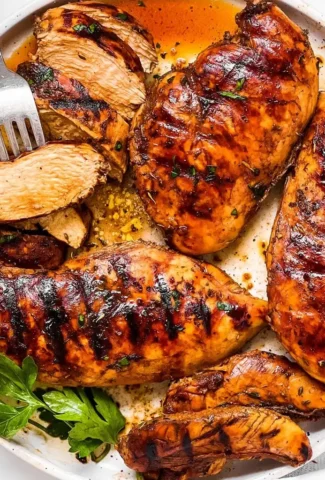
Picture a glossy, amber glaze coating each breast, with a faint hint of caramel that glints under the grill lamp. The first bite offers a burst of tangy balsamic, aromatic garlic, and muted herb notes, followed by a surprisingly sweet finish from the sugar’s gentle hum. The chicken’s skin, if left on, crisps into a golden‑brown crust while the inside stays moist and flavorful. That delicate balance of sweet, sour, and umami—augmented by the subtle peppery bite of Italian seasoning—makes the dish a crowd‑pleaser, even for culinary beginners.
I’ve spent years fine‑tuning this version, and the trick that sets it apart is the overnight marination, which compounds the flavors and penetrates the meat more thoroughly. A pro tip—mix the olive oil and balsamic vinegar before adding sugar so the sugars dissolve cleanly. A common mistake people make is over‑crowding the grill or skillet, causing the chicken to steam instead of sear; give each piece room to breathe for that coveted crust.
Why This Balsamic Chicken Marinade Recipe Is the Best
The heart of this recipe lies in its quick overnight marination—an easy trick that infuses every muscle fiber with a balance of acidity and sweetness, a method I learned in Burgundy’s vineyards and perfected in my Boston kitchen.
Texturally, the olive oil creates a barrier that locks in juices, while the vinegar’s acidity breaks down proteins for a fall‑off‑the‑bone tenderness that feels like a first date with your own kitchen. This is the same technique used on my favorite Moroccan tagine, but then blended with an Italian herb palette that flatters winter sidewalks in NYC.
From beginner to pro, this recipe is foolproof. It requires no specialized tools—just a measuring jug, a resealable bag, and a trusty oven or grill. The timeline is short, the flavor is bold, and the cleanup is minimal, making it a recipe that fits half the city’s fast pace and full‑scale family dinner.
Balsamic Chicken Marinade Ingredients
I usually source the balsamic vinegar at the tiny bodega on 6th Avenue where the vendor sells a small, unicotti bottle that carries the warm, deep notes of Tuscany. The olive oil comes from a family‑owned olive grove in Sicily that I can almost hear whispering under a Brooklyn sunrise. The remaining items are everyday staples, yet they each play a vital symphony that elevates the dish.
Ingredients List
- ½ cup balsamic vinegar
- 2 tablespoons olive oil
- 1–2 tablespoons brown sugar (optional)
- 1 teaspoon Dijon mustard
- 1 clove garlic, minced (or more to taste)
- 2 teaspoons Italian seasoning
- salt & pepper to taste (I use 1–1.5 tsp of table salt)
- 2 lbs boneless, skinless chicken breast
Ingredient Spotlight
Balsamic Vinegar – The cornerstone that gives depth. Look for a 12‑year aged version; the longer the barrel, the richer the fruit notes. If unavailable, a good quality aged balsamic or even a balsamic glaze works as a suitable stand‑in with a slightly sweeter finish.
Olive Oil – A robust extra‑virgin olive oil brightens the sauce; swap with avocado oil for a lighter taste that still preserves moisture, though the Mediterranean character will change.
Mustard – Dijon imparts tang and helps break down proteins. Try whole‑grain mustard for added texture and a nutty depth, which also thickens the sauce slightly in the oven.
Italian Seasoning – Herbs blend to create a smooth base. For a brighter twist, include crushed red pepper flakes or a sprinkle of fresh rosemary.
| Original Ingredient | Best Substitution | Flavor / Texture Impact |
|---|---|---|
| Balsamic Vinegar | Red Wine Vinegar + 1 tsp Honey | Similar acidity; slight reduction in caramel depth |
| Olive Oil | Avocado Oil | Milder flavor, higher smoke point |
| Brown Sugar | Maple Syrup | Adds a subtle vanilla note, sweeter outcome |
How to Make Balsamic Chicken Marinade — Step-by-Step
Let’s build that silky glaze together, then let the chicken soak up the full aromatic experience.
Step 1: Make Marinade
In a 1‑quart measuring jug, whisk together ½ cup balsamic vinegar, 2 tbsp olive oil, 1–2 tbsp brown sugar (if using), 1 tsp Dijon mustard, 1 minced garlic clove, and 2 tsp Italian seasoning. Stir until sugar dissolves and mustard is fully incorporated. The mixture should have a silky sheen.
💡 Samantha’s Pro Tip: Whisk the olive oil first, then add vinegar; this prevents separation and ensures a smooth, glossy base.
Step 2: Marinate
Place the 2‑lb chicken breasts in a large zip‑top bag or shallow dish. Pour the prepared sauce over the meat, seal the bag or cover the dish, and refrigerate at least 15 minutes—ideally 6–8 hours or overnight for maximum tenderness.
⚠️ Common Mistake to Avoid: Overcrowding the bag or dish so the sauce can’t coat all pieces evenly—this ruins flavor distribution.
Step 3: Cook
Remove the chicken from the bag, discarding excess liquid. Heat a pre‑heated grill to medium‑high or a skillet with a splash of oil. Cook each breast for 6–8 minutes per side if grilling, or 4–5 minutes per side in a skillet, until the internal temperature reaches 165°F. For a baked variation, preheat the oven to 410°F (210°C) and bake the chicken for 15–25 minutes, depending on thickness.
💡 Samantha’s Pro Tip: Let the chicken rest on a cutting board for five minutes after cooking—this distributes juices and yields a moister bite.
| Step | Action | Duration | Key Visual Cue |
|---|---|---|---|
| 1 | Make Marinade | 5 min | Smooth, glossy mixture |
| 2 | Marinate | 15‑60 min (or overnight) | Sauce coats all sides |
| 3 | Cook | 10‑15 min per side / 15‑25 min bake | Golden‑brown crust |
Serving & Presentation
Plate the chicken on a parchment‑lined platter, drizzle any leftover glaze in a neat ribbon around the edges. A rustic scatter of fresh arugula, sliced figs, and a sprinkle of toasted pine nuts gives color and a sweet‑n‑salty contrast, reminiscent of a Moroccan market in the cool Manhattan air.
For a classic NYC feel, serve with a side of roasted parsnips or a simple quinoa pilaf tossed with lemon zest. A drizzle of extra‑virgin olive oil and a tiny pinch of sea salt finish the dish—ideal for commuting food lovers and the family planning a Sunday potluck.
| Pairing Type | Suggestions | Why It Works |
|---|---|---|
| Side Dish | Roasted parsnips, cauliflower, or sweet potato mash | Adds earthiness to balance sweet tang |
| Sauce / Dip | Tzatziki, avocado salsa, or chimichurri | Cool acidity and fresh herbs enhance flavor profile |
| Beverage | Chardonnay, crisp white wine, or a citrus‑infused sparkling water | Brighten the palate and cut through the richness |
| Garnish | Fresh basil, chopped herbs, or microgreens | Adds color, herbal freshness, and visual appeal |
Make-Ahead, Storage & Reheating
I live in a city that never sleeps, so I often bulk‑cook and freeze the chicken for quick weekday dinners. Leaving the chicken marinated and cooked ahead of time means I can grab a piece, reheat in a skillet, and serve in 10 minutes—perfect for a hectic New York commute.
| Method | Container | Duration | Reheating Tip |
|---|---|---|---|
| Refrigerator | Air‑tight Zip‑top bag | 3 days | Reheat in skillet over medium heat, add splash of water to keep moist |
| Freezer | Vacuum‑sealed bag | 2 months | Thaw overnight in fridge, then finish in oven 350°F for 10 min |
| Make‑Ahead | refrigerated casserole dish | Ready 1 day before | Cover loosely with foil, bake 15 min per 3‑cup quantity |
When reheating frozen portions, I always sprinkle a little olive oil and cover the skillet to prevent dryness. If you’re short on time, a quick sear on a hot grill will revive the crust and give the chicken a fresh smoky echo of the original.
Variations & Easy Swaps
| Variation | Key Change | Best For | Difficulty Impact |
|---|---|---|---|
| Mild Cranberry Glaze | Add 1 tbsp cranberry sauce to the mix | Fall holiday meals | Same |
| Gluten‑Free Version | Replace brown sugar with agave syrup; use GF Italian herbs | Low‑carb diners | Same |
| Spring Herb Twist | Swap Italian seasoning for fresh thyme & rosemary | Garden‑season menu | Same |
Mild Cranberry Glaze
A splash of cranberry sauce gives a tartness that complements oil and vinegary sweetness. This version is perfect for Thanksgiving or a holiday brunch, mashing the chicken into a hearty Turkey‑style roast you’ll never forget.
Gluten‑Free Version
Simply replace the brown sugar with agave syrup and ensure your Italian seasoning is labeled gluten‑free. The dish keeps the same glossy finish, while the texture stays juicy and tender.
Spring Herb Twist
Swap dried herbs for fresh thyme and a dash of rosemary; add a splash of lemon zest. This brighter, greener profile mirrors the seasonal bounty available at the Brooklyn farmers market.
What does balsamic vinegar add to chicken?
Balsamic vinegar brings a distinct sweet‑sour profile that caramelizes on the surface, creating a glaze that locks moisture inside the meat. Its complex acidity helps break down proteins, softening the chicken, while the natural sugars give a subtle sweetness that balances savory herbs. The result is a tender, juicy piece with a glossy finish that pairs beautifully with fresh greens or roasted vegetables.
How long should you marinate chicken for maximum flavor?
For best flavor penetration, let chicken sit in the balsamic mixture for at least 15‑30 minutes at room temperature or up to 6‑8 hours in the fridge. Overnight marinating is ideal because the acid gradually softens muscle fibers and the herbs seep deeper, producing a juicy and flavorful bite that feels almost “pre‑cooked” before you even flip a grill or skillet.
Can you use bottled balsamic instead of homemade?
Yes. Bottled balsamic is convenient and still provides the necessary acidity and umami taste. The key is choosing a 12‑year or 24‑year aged variety to get depth and sweetness; a lower‑age “medium” balsamic will taste more vinegary and less caramel‑like. If you find the flavor too sharp, add a touch of honey or brown sugar to balance it.
Will the chicken dry out if I cook it too long?
The olive oil and balsamic mixture create a protective coating that traps moisture. However, over‑cooking—especially on high heat—can still lead to dryness. Use an instant‑read thermometer; once the internal temperature hits 165°F, you’re safe. Then let it rest a few minutes; this allows juices to redistribute and keeps the meat succulent.
Is it safe to leave chicken marinated overnight?
Yes, if you keep the chicken refrigerated. The acidic environment of the balsamic vinegar inhibits bacterial growth. As long as the bowl or bag stays under 40°F, the chicken is perfectly safe to marinate overnight, and many chefs claim it delivers a deeper flavor profile compared to quick marination.
Can I grill this on a charcoal grill?
Absolutely. A charcoal grill imparts a smoky nuance that enhances the balsamic glaze. Preheat to medium‑high, oil the grates lightly, and place the chicken on direct heat for 6‑8 minutes per side. The caramelized char will add texture, giving you the same juicy interior with an unmistakably BBQ vibe.
What side dishes pair best with this recipe?
Sugary, lightly roasted vegetables like parsnips, carrots, or cauliflower cut the acidity, while a spinach or arugula salad lifts the dish with peppery freshness. For a heartier meal, serve over crusty bread or polenta. A crisp white wine or a chilled rosé complements the dish’s natural zing and will make your guests return for seconds.
Do I need to dry the chicken before cooking?
Patting the chicken dry before cooking helps the glaze set and creates a better sear, reducing excess steam. This technique is especially useful on a grill; the drier the surface, the more it caramelizes and the less it sweats, giving you that ideal golden crust.
Can I use chicken thighs instead of breasts?
Thighs are richer and have a slightly higher fat content, which makes them forgiving if you cook them a bit longer. Pair the same balsamic mix, marinate for 1‑3 hours, and grill or bake. The result will be even more moist, with a deeper flavor, though the cooking time may rise to 20‑25 minutes for a fully cooked, caramelized exterior.
Share Your Version!
I love seeing how you personify a recipe; whether it’s a Moroccan sprinkle or a New York‑style twist, drop a comment below and star this post if it hits your culinary soul. Snap a photo, tag me on Instagram @mykitchenstorie, and let us celebrate the small victories of everyday cooking together.
If you’ve added your own flair—perhaps citrus zest instead of oregano—tell me why you chose that twist and how it changes the dance of flavors. Your insights broaden our kitchen conversations, and I might even feature your adaptation in my next post!
From my NYC kitchen to yours — I hope this recipe brings as much warmth to your table as it does to mine. — Samantha 🧡
Love This Recipe? Save It to Pinterest!
If you enjoyed this Balsamic Chicken Marinade recipe, don’t let it get lost in your browser tabs! 😄 Pin it now so you can find it again anytime — and explore hundreds more tried‑and‑tested recipes waiting for you on my Pinterest boards.
👉 Follow Samantha on Pinterest @exorecipe
📌 Pin this recipe · 🔁 Re-pin your favorites · 💬 Tag me when you make it — I love seeing your creations!
Balsamic Chicken Marinade
This is the best Balsamic Chicken Marinade youâll ever make! Flavorful with balsamic vinegar, garlic and Italian season, it’s perfect for BBQs and healthy dinners!
Ingredients
- 1/2 cup balsamic vinegar
- 2 tablespoons olive oil
- 1–2 tablespoons brown sugar (optional to offset the acidity from the vinegar)
- 1 teaspoon Dijon mustard
- 1 clove garlic (minced (or more to taste))
- 2 teaspoons Italian seasoning
- salt + pepper (to taste (I use 1 – 1.5 teaspoons of regular table salt))
- 2 pounds boneless, skinless chicken breast
Instructions
- Make marinade: Place all marinade ingredients in a measuring jug and whisk very well.
- Marinate chicken: Place chicken in a ziploc bag (or alternatively in a shallow dish). Pour marinade on top, making sure all chicken pieces are covered all over. Seal dish or bag well and refrigerate for 15 minutes or up to overnight.
- Cook chicken: Remove chicken from marinade, discarding bag and any excess marinade. Cook chicken your preferred way, until it reaches an internal temperature of at least 165°F.Grill: Place chicken on a hot grill and grill 6-8 minutes on either side, or until chicken is done.Skillet: Heat oil in a skillet. Add chicken and cook around 8-10 minutes on either side, or until chicken is done.Oven: Place chicken in a baking dish and bake at 410°F for 15-25 minutes, or until chicken is done.
Leave a Reply