Table of Contents
Chinese Orange Chicken with a Citrus‑Zest Crunch – A Flavorful Twist from NYC to Morocco
Growing up on a bustling Marrakech street, my mother would braid oranges into wild, fragrant ribbons that scented our home for weeks. When I moved to Paris to study culinary arts, I carried that aromatic memory to the city’s finest kitchens, learning how a simple zest can transform a sauce. Now, in the heart of NYC, I’ve blended that Moroccan zest prowess with the classic Chinese Orange Chicken, adding a citrus‑zest crunch that elevates the dish beyond any take‑out copy. It’s a bowl of sunshine on a rainy city night, and it’s far better than the greasy takeaway you’d find at a Chinatown dumpling spot.
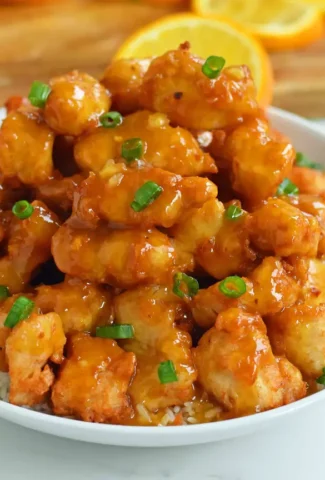
Imagine silky chunks of chicken coating a bright, glossy sauce that slashes through the aroma of toasted orange peel, fragrant ginger, and a whisper of heat from red chili flakes. The crunch of fresh zest bubbles in the sauce, catching every bite with a burst of citrus that dances against the savory soy undertone. The texture feels both tender, thanks to a quick blanch, and crisp, thanks to a two‑stage coating that locks in flavor. The final plating? A scatter of green onions and a dusting of more zest, creating a visual pop that invites you to dive in.
What sets this recipe apart is my use of a double‑inverted coating: after dipping the chicken in egg, you coat it in a dry flour‑cornstarch mix, fry to a golden crisp, then toss it immediately into the sauce so the coating seals. This technique ensures the sauce clings perfectly while keeping the chicken crisp. A common mistake is pouring the sauce too late; if you wait, the coating will soften and the chicken loses crunch. Keep the sauce ready, but toss and serve immediately to preserve the fresh citrus zing.
Why This Chinese Orange Chicken Recipe Is the Best
Samantha’s unique angle – a citrus‑zest crunch – stems from my Moroccan upbringing where orange peels were used as natural air fresheners. By incorporating fresh zest into the coating, I add an extra layer of flavor and a textural surprise that makes each bite delightfully crisp and aromatic.
Perfected Texture comes from a chef’s secret: the two‑layer coating process, first an egg wash then a flour‑cornstarch blend. This ensures the chicken is pillowy inside while the exterior crisps to a golden hue that’s crunchy enough to impress even the most discerning food critic in Central Park’s food cart scene.
Foolproof & Fast, because all steps are timed and automated. The sauce thickens in five minutes, the chicken fries in 2–3 minutes per batch, and the whole process takes less than 40 minutes – ideal for a weekday dinner or a weekend brunch that needs to feel extraordinary.
Chinese Orange Chicken Ingredients
I grab these ingredients from the downtown food market or my favorite grocery chain, using the freshest produce I can find. The orange you use should be sweet, not overly tart, and the chicken should be firm enough to hold its shape when coated.
Ingredients List
- 4 Boneless Skinless Chicken Breasts, cut into bite‑size pieces
- 3 Eggs, whisked
- 1/3 cup Cornstarch (for coating)
- 1/3 cup Flour (all‑purpose)
- 1/4 teaspoon Ginger, ground or fresh
- 1/4 teaspoon Garlic Powder (or 2 minced garlic cloves)
- 1/2 teaspoon Red Chili Flakes
- 1 cup Orange Juice
- 1/2 cup Sugar
- 2 Tablespoons Rice or White Vinegar
- 2 Tablespoons Soy Sauce (or tamari for gluten‑free)
- 1 Tablespoon Cornstarch (for sauce thickener)
- 1 Orange, zest and juice
- Green Onions, sliced for garnish
- Oil for frying (vegetable or canola)
Ingredient Spotlight
Orange Juice – Freshly squeezed juice gives a natural sweetness and acidity that balances the soy and sugar. If you’re out of time, 1 cup of high‑quality store‑bought juice will work, but watch the sugar content – you may need to reduce the added sugar slightly. A tested substitution is using a 50:50 mix of orange juice and pineapple juice for a tropical twist; the pineapple adds a subtle tartness that brightens the sauce.
Chicken Breasts – Choosing tender, lean pieces ensures a juicy interior. For a richer flavor, use a mix of thighs and breasts. If you prefer ultra‑lean, You can brine the chicken briefly in saltwater to keep it moist, especially when frying at high heat.
Cornstarch – This is the key to a light, crisp coating. If cornstarch is unavailable, arrowroot powder works as a 1:1 substitute and yields a slightly translucent finish. You’ll notice a subtle difference in crunch – the aroma remains the same.
| Original Ingredient | Best Substitution | Flavor / Texture Impact |
|---|---|---|
| Soy Sauce | Tamari | Same umami, gluten‑free, slightly sweeter |
| Cornstarch (for sauce) | Arrowroot powder | Clearer glaze, similar thickness |
| Red Chili Flakes | Fresh chilies (e.g., jalapeño, finely minced) | More robust heat, new aroma |
How to Make Chinese Orange Chicken — Step-by-Step
Grab a skillet or wok, get the sauce near ready, and you’ll be in the zone from start to finish in about 40 minutes.
Step 1: Make Sauce
In a medium pot, combine the orange juice, sugar, rice vinegar, soy sauce, ginger, garlic, and red chili flakes. Bring to a gentle simmer over medium heat, letting the flavors marry for about 3 minutes. This infusion brings sweet, tart, and savory notes together.
💡 Samantha’s Pro Tip: Use freshly squeezed orange juice for a brighter, less artificial sweetness – it brings depth to the sauce.
Step 2: Whisk Cornstarch Paste
In a small bowl, whisk 1 tablespoon cornstarch with 2 tablespoons water until smooth. Pour this slurry into the simmering sauce, whisk continuously. Cook for 5 minutes until the sauce thickens slightly. Remove from heat and stir in the orange zest.
💡 Samantha’s Pro Tip: If the sauce thickens too fast, add a splash of cane water to regain silkiness.
Step 3: Prepare Dry Mix
In a shallow dish, combine 1/3 cup cornstarch, 1/3 cup flour, and a generous pinch of salt. Stir until evenly mixed, this forms your crispy coating base.
⚠️ Common Mistake to Avoid: Mixing the coating dry before adding the chicken can cause clumps. Mix on the dish right before coating.
Step 4: Dip Chicken in Egg
Whisk the eggs in a separate shallow bowl. Roll each chicken piece first in the egg wash, then dredge it in the dry flour mixture, ensuring an even coat. Lay coated pieces on a plate.
💡 Samantha’s Pro Tip: Double‑dipping – first egg, then flour – guarantees a crunchier bite akin to fried pastries.
Step 5: Fry Chicken
Heat 2–3 inches of oil in a heavy‑bottomed pot to 350°F (use a thermometer for accuracy). Working in batches to avoid overcrowding, fry each piece 2–3 minutes until golden, turning often. Transfer to a paper‑towel‑lined plate to drain excess oil.
⚠️ Common Mistake to Avoid: Frying chicken at too high heat; it burns outside while stays raw inside. Keep the temperature steady.
Step 6: Toss with Sauce
While the chicken is still hot, quickly toss it in the prepared orange sauce until fully coated. Reserve a tablespoon of sauce to drizzle over rice later if desired.
💡 Samantha’s Pro Tip: Tossing the chicken immediately while the coating is still warm locks the crunch into the sauce.
Step 7: Garnish and Serve
Scatter sliced green onions and a final zest of orange over the chicken before serving. The vibrant citrus pop brightens the dish and adds a refreshing contrast to the savory sauce.
💡 Samantha’s Pro Tip: A quick squeeze of fresh lemon over the plated dish can lift the flavors even more.
| Step | Action | Duration | Key Visual Cue |
|---|---|---|---|
| 1 | Simmer sauce | 3 mins | Aroma rises |
| 2 | Whisk slurry | 1 min | Smooth paste |
| 3 | Mix dry coat | 2 min | Even dust |
| 4 | Double dip | 3 min | Shiny coating |
| 5 | Fry chicken | 2–3 min per batch | Golden, bubbling |
| 6 | Toss with sauce | 1 min | Glaze coats |
| 7 | Garnish | 30 sec | Fresh pop |
Serving & Presentation
Present the Chicken in a shallow bowl, a handful of tossed green onions, and a sprinkle of extra orange zest for a burst of color that echoes Moroccan bright tiles. Serve it over jasmine or jasmine‑roasted rice, or on a bed of steamed broccoli if you’re looking to add a green crunch. The dish could also be paired with cucumber salad for a cool contrast – a taste lesson you’ve likely savored in a North African street market.
A quick garnish idea: drizzle a thin ribbon of sesame oil for an aromatic finish that recalls the bready flavor of French town bakeries. The sesame oil adds a nutty undertone that complements the zesty, savory sauce without overpowering it.
Plate everything with a touch of black soy sauce drizzle. The dark streaks add sophistication, reminiscent of a Parisian evening over a café, while the orange tones bring a vibrant New York vibe.
| Pairing Type | Suggestions | Why It Works |
|---|---|---|
| Side Dish | Steamed jasmine rice, sautéed bok choy, or broccoli | Balances spice and adds fresh textures. |
| Sauce / Dip | Lemon‑yao harissa, garlic aioli, or yogurt soy dip | Elevates flavor profile with varied hissing. |
| Beverage | White wine (Sauvignon Blanc), iced green tea, or lemon‑mint sparkling water | Refreshes palate and counters sweetness. |
| Garnish | Sesame seeds, slivered almonds, or sliced lime | Adds crunch and complementary citrus. |
Make-Ahead, Storage & Reheating
I find that cooking a batch ahead of the big family dinner cuts down piloting hourly. After frying, let the chicken cool entirely, toss with sauce, then divide by the portion you’ll serve the next day.
| Method | Container | Duration | Reheating Tip |
|---|---|---|---|
| Refrigerator | Air‑tight container | 3‑4 days | Microwave at 30% power, stir halfway. |
| Freezer | Lid‑sealed plastic bag | 1‑2 months | Thaw overnight in fridge, then finish cooking. |
| Make‑Ahead | Separate sauce jar, coated chicken container | 2 days | Combine and reheat in skillet over medium heat. |
When reheating, never skip a quick stir; this redistributes the sauce so none of the chicken becomes too dry. I like to splash a bit of water or broth then cover the pan for a minute to steam the coating back to crisp. The aroma will remind you of a rainy New York morning, and the flavors will still sing.
Variations & Easy Swaps
| Variation | Key Change | Best For | Difficulty Impact |
|---|---|---|---|
| Ginger Sesame Twist | Add toasted sesame oil, chopped toasted sesame seeds, and a splash of sesame paste. | Those who love nutty aroma | Easy |
| Gluten‑Free Version | Replace all flour with oat flour or almond flour; use tamari. | Gluten‑sensitive guests | Medium |
| Mango Sunshine Variation | Swap orange juice with mango pulp; use dried mango chips for garnish. | Summer vibes | Easy |
Ginger Sesame Twist
I love the aroma of toasted sesame from a quaint Paris market. In this version, I drizzle a tablespoon of toasted sesame oil over the finished dish and sprinkle toasted sesame seeds. The nutty undertone subtly layers each bite, and the sesame grains add a pleasant crunch that evokes my grandmother’s brioche bread with a whisper of almond.
Gluten‑Free Version
When the guest list includes gluten‑sensitive diners, swap the all‑purpose flour with oat or almond flour and use tamari for a smooth, umami drive. The coating becomes slightly denser but still delights with a buttery texture, and the flavor stays true, with no discernible difference in sweet‑tang balance.
Mango Sunshine Variation
I once hosted a brunch in summer when orange days turned to mango delight. Replacing orange juice with mango pulp yields a sweet, tropical twist. Dried mango chips, toasted to a golden crumble, garnish the top, turning the dish into a vibrant appetizer that feels like a sunny New York rooftop over the Manhattan skyline.
FAQ
What is the best way to keep the chicken crispy?
Ensuring the chicken stays crispy involves a few deliberate steps. First, keep the oil at a steady 350°F; a temperature too hot will char the exterior before the interior cooks, while too cool will soak. Second, do not crowd the pan; this drops the oil temp and creates a soggy coating. Third, once fried, let the chicken rest on parchment or a rack; this allows excess oil to drain and air to circulate, preserving crunch. Finally, toss the chicken into sauce while still hot to seal the coating, preventing moisture from soaking in.
Can I use frozen chicken for this recipe?
While thawing chicken is ideal, you can use frozen pieces if you’re in a rush. Pat the frozen chicken dry with a paper towel to remove excess moisture; otherwise, the coating will not adhere well. Cook it at a slightly higher heat initially (around 375°F) to create a crust quickly, then lower it to 350°F to finish. Remember to monitor internal temperature, aiming for 165°F to ensure food safety. Frozen chicken may take a minute or two longer per batch but will still result in a tasty, crispy dish.
Is it possible to make a vegetarian version?
Yes! Swap chicken for bite‑size tofu or tempeh. Press tofu to remove excess moisture, then marinate briefly in soy sauce, garlic, and a splash of lemon juice to add depth. Use the same double‑coating technique to get crisp edges. For a vegetarian sauce, reduce the soy sauce volume slightly and add a bit more orange juice or a splash of citrus to compensate the umami lift. The result will still deliver the sweet‑tang crunch but with a plant‑based protein.
Can I use a different type of sugar?
Absolutely. If you prefer a natural sweetener, coconut sugar will give a caramel undertone, while raw honey can be used for liquid sweetness—although it increases moisture slightly. I use organic cane sugar for its granular texture, which dissolves smoothly and doesn’t add a heavier body. Any sugar that dissolves fully will work, but if you use brown sugar, taste the sauce before adding because it may alter the final flavor balance.
How can I make this dish gluten‑free?
To keep the dish free of gluten, use oat flour or a blend of almond and oat flour for the coating; the texture may be slightly denser but still crisp. Replace regular soy sauce with tamari, which has no wheat. Ensure any pre‑packaged condiments like rice vinegar do not contain gluten additives. Finally, if using cornstarch as a thickener, confirm it’s labeled gluten‑free as some producers cross‑contaminate. With these adjustments, you’ll have a silky, sweet‑tang chicken that’s safe for anyone avoiding gluten.
How long does the sauce last in the fridge?
The sauce can be stored in an airtight container for up to 4 days in the refrigerator. When reheating, add a splash of water or broth and simmer briefly to loosen the glaze; this restores its glossy consistency. If you wish to thicken it further, whisk in a small pinch of cornstarch dissolved in water before warming and stir until the sauce reaches your desired viscosity.
What should I do if the sauce becomes too thick?
Don’t worry; a slightly thicker sauce is easier to handle. Add a teaspoon of water, orange juice, or a splash of soy sauce and whisk until it hits the desired spread. It’s best to adjust while the sauce is still warm, as the cornstarch thickens further when cool. A drizzle of peanut or almond butter can add a silky texture while maintaining the sweet‑tang quality if you want a more decadent glaze.
Which oil is best for frying?
High milk‑point oils such as canola, peanut, or sunflower work well because they can tolerate the 350°F needed for a crisp coating. Peanut oil also imparts a subtle nutty aroma, reminiscent of classic Chinese fare. Avoid olive oil, as its smoke point is lower and it would change the flavor profile dramatically. Use a neutral oil to let the sauce shine.
Can I use frozen orange peel as zest?
Freezing orange peel preserves its aromatic oils, so it can be a convenient pantry staple. After freezing, grind or shave it into a fine powder and sprinkle over the dish. It may not be as bright as fresh zest, but it still releases citrus oils when cooked, delivering subtle flavor. For the best visual appeal, mix it with a few slices of fresh peel before brightening the dish at the end.
What’s the secret to preventing the coating from falling off?
The key is the double‑coating technique: first dip the chicken in egg, which acts as a binder, then transfer it to a flour‑cornstarch mixture that locks in the fibers. Let the coated pieces sit for a minute on a rack; this allows the crumb to set. Avoid over‑flourizing, which leads to clumping. Also, keep the oil temperature steady; a rapid temperature drop will cause the coating to absorb oil and fall off. When tossing with sauce, do it immediately after frying so the coating stays intact.
Share Your Version!
I’d love to see how you jazz up this recipe. Drop a star rating and leave a comment so I can share the best ideas with the community. You can also snap a photo of your dish on Instagram or Pinterest, tag @mykitchenstorie, and let the world taste the sparkle of NYC streets and Moroccan breezes in one bowl.
From my NYC kitchen to yours — I hope this recipe brings as much warmth to your table as it does to mine. — Samantha 🧡
Love This Recipe? Save It to Pinterest!
If you enjoyed this Chinese Orange Chicken recipe, don’t let it get lost in your browser tabs! 😄 Pin it now so you can find it again anytime — and explore hundreds more tried‑and‑tested recipes waiting for you on my Pinterest boards.
👉 Follow Samantha on Pinterest @exorecipe
📌 Pin this recipe · 🔁 Re-pin your favorites · 💬 Tag me when you make it — I love seeing your creations!
What’s your favorite twist for a classic dish? Drop a comment below and let’s share culinary adventures together!
Chinese Orange Chicken
Chinese Orange Chicken that is way better than take-out!
Ingredients
- 4 Boneless Skinless Chicken Breasts (cut into bite-size pieces)
- 3 Eggs (whisked)
- 1/3 cup Cornstarch
- 1/3 cup Flour
- Salt
- Oil (for frying)
- 1 cup Orange Juice
- 1/2 cup Sugar
- 2 Tablespoons Rice Vinegar (or White Vinegar)
- 2 Tablespoons Soy Sauce (use tamari for a gluten-free dish)
- 1/4 teaspoon Ginger
- 1/4 teaspoon Garlic Powder (or 2 garlic cloves, finely diced)
- 1/2 teaspoon Red Chili Flakes
- Orange Zest (from 1 orange)
- 1 Tablespoon Cornstarch
- Green Onions
- Orange Zest
Instructions
- To make orange sauce:
- In a medium pot, add orange juice, sugar, vinegar, soy sauce, ginger, garlic, and red chili flakes. Heat for 3 minutes.
- In a small bowl, whisk 1 Tablespoon of cornstarch with 2 Tablespoons of water to form a paste. Add to orange sauce and whisk together. Continue to cook for 5 minutes, until the mixture begins to thicken. Once the sauce is thickened, remove from heat and add orange zest.
- To make chicken:
- Place flour and cornstarch in a shallow dish or pie plate. Add a generous pinch of salt. Stir.
- Whisk eggs in shallow dish.
- Dip chicken pieces in egg mixture and then flour mixture. Place on plate.
- Heat 2 -3 inches of oil in a heavy-bottomed pot over medium-high heat. Using a thermometer, watch for it to reach 350 degrees.
- Working in batches, cook several chicken pieces at a time. Cook for 2 – 3 minutes, turning often until golden brown. Place chicken on a paper-towel-lined plate. Repeat.
- Toss chicken with orange sauce. You may reserve some of the sauce to place on rice. Serve it with a sprinkling of green onion and orange zest, if so desired.
Leave a Reply