Table of Contents
Cilantro Lime Chicken Recipe – Zesty, Easy & Keto-Friendly
Let me take you straight to the heart of this Cilantro Lime Chicken recipe — it’s one of those dishes that feels like a warm embrace from my Moroccan mother’s kitchen meets the precision I learned at culinary school in Paris. Growing up in Morocco, my mother would always toss fresh cilantro and bright citrus into everything, and I remember the way that smell would fill our tiny kitchen. Now, living in New York City, I’ve taken those simple, soulful flavors and married them with a quick, foolproof marinade technique that’s perfect for busy weeknights. This easy Cilantro Lime Chicken is not only bursting with tangy, herby goodness, but it’s also low in carbs and perfectly suited for keto, paleo, and Whole30 diets. The unique angle here? I use a blender to create a super-smooth, emulsified marinade that coats every inch of the chicken — no chopping or whisking by hand required.
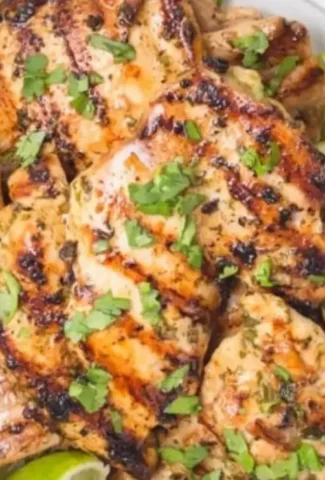
The first time I made this, the smell of lime zest hitting warm cumin took me straight back to a bustling spice market in Marrakech. The cilantro brings a grassy freshness that cuts through the richness of the chicken thighs, while the lime juice tenderizes the meat and leaves it juicy, never dry. I love the way the garlic, cumin, and pepper mingle — it’s bold but balanced. When you cook the chicken, the marinade caramelizes on the grill or in the oven, creating slightly charred, sticky edges that are absolutely irresistible. My husband, a born-and-bred New Yorker who swears by his burgers, actually asked for this three nights in a row — and that’s a win in my book.
I trained at Le Cordon Bleu in Paris, where I spent months perfecting the art of sauces and marinades, so I can tell you that this recipe is built on solid technique. The blender method ensures an even distribution of flavor and a perfect emulsion that clings to the chicken without dripping away. In this post, I’ll share my favorite cooking methods — grill, oven, or stovetop — along with a crucial pro tip about marinating time and a common mistake that can turn your chicken dry. Trust me, once you try this Cilantro Lime Chicken, you’ll never go back to store-bought marinade again.
Why This Cilantro Lime Chicken Recipe Is the Best
The Flavor Secret: The magic lies in that vibrant cilantro lime marinade — it’s not just a coating; it’s a flavor infusion. I use a whole cup of packed cilantro leaves, which might seem like a lot, but that’s exactly what gives this dish its signature bright, herbal punch. My French training taught me to respect each ingredient, so I blitz the cilantro with lime zest, fresh lime juice, garlic, cumin, and olive oil until smooth. This creates a creamy, emulsified base that penetrates deep into the chicken, rather than just sitting on the surface. Growing up, my mother would crush cilantro with a mortar and pestle — the blender is my modern shortcut that always delivers consistent results.
Perfected Texture: There’s nothing worse than dry, rubbery chicken, especially when you’re following a low-carb or keto diet that often relies on lean proteins. My secret? Boneless skinless chicken thighs. They have just the right amount of fat to stay moist and tender, even after a quick sear or bake. I also insist on using a digital meat thermometer — this non-negotiable step ensures you hit exactly 165°F internal temperature every time, so every bite is juicy and safe. No more guessing games.
Foolproof & Fast: I designed this recipe with real life in mind. From my tiny NYC apartment kitchen, I know that time is precious. The marinade takes just two minutes in the blender, and you can prepare it the night before or even pop the chicken in the freezer with the marinade for an instantly seasoned dinner. My step-by-step instructions include both grill and oven methods, plus baking times for bone-in thighs if you want to switch it up. Whether you’re a seasoned cook or a busy parent, this recipe works every single time without any fancy equipment beyond a blender and a pan.
Cilantro Lime Chicken Ingredients
Every Saturday morning, I head to the Union Square Greenmarket in NYC to pick up the freshest produce, and cilantro is always on my list. A good bunch should be bright green with no yellowing or wilting — that’s how you know it’s packed with flavor. Limes are another staple; I look for ones that feel heavy for their size, which means they’re full of juice. This marinade is so simple that the quality of each ingredient truly shines, so don’t skimp on the fresh stuff. Let’s break down exactly what you’ll need.
Ingredients List
- 8 Boneless skinless chicken thighs (about 2lb)
- 1 cup cilantro leaves, packed (measure un-chopped leaves, about 1/2 bunch)
- 1 tsp lime zest
- 1/4 cup lime juice (about 3 limes)
- 3 cloves garlic (chopped)
- 1 tsp cumin
- 1 tsp salt
- 1 tsp black pepper
- 3 tbsp olive oil
- cilantro leaves (for garnish, optional)
- lime wedges (for serving, optional)
Ingredient Spotlight
Cilantro: This is the star of the show. Fresh cilantro has bright, citrusy notes that are irreplaceable. In my Moroccan kitchen, we use cilantro in everything from tagines to salads. When buying, look for bunches with firm stems and vibrant leaves. Dried cilantro is not a substitute — it loses nearly all its flavor. If you really dislike cilantro (I know some people have the gene that makes it taste soapy), you can substitute fresh flat-leaf parsley for a milder, greener flavor.
Lime zest and juice: Always use fresh limes — bottled juice has a flat, acidic taste that lacks the floral aroma you get from a fresh lime. Zest the limes before juicing them. I use a microplane to get the fine zest, which releases essential oils that are pure magic in this marinade. One teaspoon of zest from about two limes is enough, and you’ll need roughly three limes to get that quarter cup of juice.
Cumin: A warm, earthy spice that’s foundational in North African cooking. My mother taught me to toast whole cumin seeds in a dry pan before grinding them for an even deeper flavor. For this recipe, ground cumin works perfectly and adds a subtle smokiness that complements the citrus. If you’re out of cumin, you can substitute ground coriander for a more floral, slightly sweet note — just use half the amount.
Chicken thighs: Boneless skinless thighs are my go-to because they’re forgiving and stay moist. Bone-in thighs work too but require longer cooking (about 45 minutes in the oven). I don’t recommend this recipe for skinless chicken breasts unless you reduce the cooking time to about 15–18 minutes, as breasts dry out quickly. If using breasts, pound them to an even thickness first for best results.
| Original Ingredient | Best Substitution | Flavor / Texture Impact |
|---|---|---|
| Chicken thighs (boneless skinless) | Chicken breast (boneless) | Drier; requires shorter cook time |
| Fresh cilantro | Fresh flat-leaf parsley | Milder, less citrusy flavor |
| Ground cumin | Ground coriander | More floral, less earthy warmth |
| Olive oil | Avocado oil | Neutral flavor; higher smoke point |
How to Make Cilantro Lime Chicken — Step-by-Step
Trust me, this is one of those recipes that’s almost impossible to mess up, but I’ve broken it down into simple steps with my best tips to ensure you get perfect, juicy chicken every single time. Whether you choose the grill, oven, or stovetop method, the process is easy and rewarding.
Step 1: Make the Marinade
Add all the marinade ingredients — cilantro, lime zest, lime juice, chopped garlic, cumin, salt, pepper, and olive oil — to a blender. Pulse until the mixture is completely smooth, scraping down the sides as needed. This should take about 20 seconds. The result should be a vibrant green, slightly thick liquid that smells intoxicatingly fresh.
💡 Samantha’s Pro Tip: Don’t over-blend! If you blitz for too long, the blender can heat the marinade slightly, which can dull the bright cilantro flavor. Just pulse until smooth — about 5 to 6 quick pulses.
Step 2: Marinate the Chicken
Place the chicken thighs in a large bowl or a resealable ziplock bag. Pour the marinade over the chicken, making sure every piece is evenly coated. Seal the bag, removing as much air as possible, or cover the bowl with plastic wrap. Let it marinate in the refrigerator for 30 minutes or up to 4 hours. Don’t go longer than 4 hours because the acid in the lime juice can start to break down the chicken’s texture, making it mushy.
⚠️ Common Mistake to Avoid: Marinating for too long (more than 4–6 hours) can result in a mealy, almost chalky texture. The lime juice is a tenderizer, but it’s powerful. Set a timer!
Step 3: Cook the Chicken
When you’re ready to cook, choose your method. For the grill (my favorite for summer), heat a cast iron grill pan or outdoor grill to medium-high heat. Brush with olive oil, then grill each piece for about 5 minutes per side, until the internal temperature reaches 165°F. For the oven (easiest for winter or when you’re cooking bone-in chicken), preheat to 375°F and bake the marinated boneless skinless thighs for 25–30 minutes. Bone-in thighs need about 45 minutes. Always check with a digital meat thermometer for safety.
💡 Samantha’s Pro Tip: For extra caramelization, after baking, place the chicken under the broiler for 2–3 minutes. This gives you that gorgeous, slightly charred exterior without overcooking the inside.
Step 4: Check for Doneness
Insert a digital meat thermometer into the thickest part of the largest thigh. It should read 165°F. If it’s not ready, continue cooking in 2-minute increments. Don’t cut into the chicken to check — you’ll lose precious juices.
⚠️ Common Mistake to Avoid: Relying on visual cues alone. The outside may look golden and perfect while the inside is still undercooked. Always use a thermometer — it’s the only reliable way to ensure both safety and juiciness.
Step 5: Rest and Serve
Once cooked, transfer the chicken to a cutting board and let it rest for 5 minutes. This allows the juices to redistribute throughout the meat, ensuring every bite is moist. Slice against the grain if desired, or serve the thighs whole. Garnish with fresh cilantro leaves and lime wedges for a bright finish.
💡 Samantha’s Pro Tip: While the chicken rests, drizzle a little extra fresh lime juice over the top. It wakes up the flavors and gives a final burst of citrus that’s just divine.
| Step | Action | Duration | Key Visual Cue |
|---|---|---|---|
| 1 | Blend marinade | 20–30 sec | Smooth, bright green liquid |
| 2 | Marinate chicken | 30 min – 4 hrs | Chicken turns pale green |
| 3 | Grill (boneless) | 5 min per side | Golden brown char marks |
| 4 | Bake (oven, boneless) | 25–30 min | Juices run clear |
| 5 | Check temperature | Instant read | 165°F on thermometer |
| 6 | Rest chicken | 5 min | Steam rises, meat relaxes |
Serving & Presentation
When I serve this Cilantro Lime Chicken, I like to bring a little bit of Morocco to the table. I place the thighs on a large platter, then scatter a generous handful of fresh cilantro leaves and a few lime wedges around them. The contrast of the green against the golden, slightly charred chicken is absolutely stunning. For a pop of color, I sometimes add thinly sliced red radishes or a sprinkle of sumac — that deep red, tangy spice is a staple in North African cooking.
In NYC, I love pairing this with a simple avocado salad or coconut-lime cauliflower rice for a full low-carb meal. For a heartier option, serve it over fluffy white rice or with warm corn tortillas and a dollop of sour cream. My French-trained palate also loves this chicken sliced cold over a green salad with a light vinaigrette — the garlic-cumin notes carry beautifully. Whatever you choose, don’t forget to squeeze that fresh lime wedge over everything just before digging in.
💡 Samantha’s Pro Tip: For a restaurant-quality presentation, brush a little of the reserved (unused) marinade over the cooked chicken right before serving. It adds a glossy sheen and an extra hit of flavor. Just make sure it’s been kept separate from raw chicken!
| Pairing Type | Suggestions | Why It Works |
|---|---|---|
| Side Dish | Cauliflower rice, avocado salad, grilled corn | Low-carb, refreshing, and adds crunch |
Reader Interactions |
Leave a Reply