Table of Contents
Easy Homemade Hoisin Sauce Recipe – Your New Pantry Staple
I still remember the first time I tasted authentic hoisin sauce in a bustling Chinatown kitchen in New York City. It was thick, glossy, and packed with a sweet-savory punch that made every bite of Peking duck sing. But back home in my own kitchen, I craved something even better: a homemade version that didn’t rely on preservatives or mystery ingredients. This easy homemade hoisin sauce recipe is my answer—a quick, customizable, and deeply flavorful sauce that you can make with just seven pantry staples, plus a secret trick that gives it a silky, restaurant-quality texture. Whether you’re drizzling it over stir-fries or using it as a glaze for grilled meats, this recipe will become your new go-to.
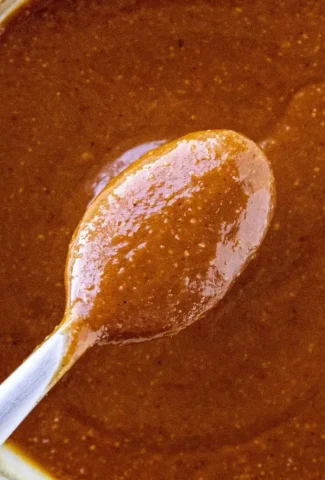
The beauty of this sauce lies in its balance: the saltiness of soy sauce, the tang of rice vinegar, the nutty depth of peanut butter, and the gentle warmth of Chinese five-spice powder. A hint of honey adds a natural sweetness that caramelizes beautifully when cooked, while a touch of Sriracha brings a subtle kick that you can adjust to your liking. The texture is velvety and smooth, coating every strand of noodle or piece of tofu like a warm hug. When you stir it together in a small pot, the aromas—garlic, spice, and a faint whisper of toasted sesame—fill your kitchen with the promise of something truly delicious.
What sets this recipe apart is my French-trained technique of using a cornstarch slurry to achieve that perfect thickness without any artificial thickeners. It’s a trick I learned in pastry school in Paris for making silky fruit coulis, and it works beautifully here. Plus, this sauce is incredibly forgiving: you can swap peanut butter for tahini, honey for brown sugar, or even dial up the heat with extra chili paste. I’ll show you exactly how to avoid a common mistake—overcooking the garlic—so your sauce stays bright and fresh. Trust me, once you taste this homemade version, you’ll never go back to store-bought.
Why This Easy Homemade Hoisin Sauce Recipe Is the Best
The Flavor Secret: Most store-bought hoisin sauces rely on high-fructose corn syrup and artificial flavorings. My version draws from my Moroccan roots—where we balance sweet and savory with ingredients like honey and spices—to create a sauce that’s naturally complex. The peanut butter adds a subtle nuttiness that mirrors traditional black bean paste, while Chinese five-spice powder (a blend I first fell in love with in a Parisian spice shop) brings warmth and depth. The result is a sauce that tastes both familiar and elevated.
Perfected Texture: The cornstarch slurry is the game-changer here. In culinary school, we learned that a slurry must be whisked completely smooth before adding to hot liquid to avoid lumps. I apply that same precision to this sauce, ensuring it thickens to a luscious, glossy consistency that clings perfectly to every ingredient. No more watery or clumpy sauces—just velvety perfection every time.
Foolproof & Fast: This recipe comes together in under 10 minutes, making it perfect for busy weeknights when you need a flavor boost. Even if you’ve never made sauce from scratch, the steps are straightforward: whisk, heat, thicken, serve. I’ve tested this with beginner cooks in my NYC cooking workshops, and everyone walks away amazed at how easy it is. Plus, you can double or triple the batch without any extra effort.
Easy Homemade Hoisin Sauce Ingredients
When I’m shopping for these ingredients, I head straight to the Union Square Greenmarket in NYC for fresh garlic and honey from local apiaries. For the Asian staples, I love browsing the aisles of Hong Kong Supermarket in Chinatown, where I can find high-quality soy sauce and rice vinegar. But honestly, these are all pantry-friendly ingredients you likely already have—no specialty store required.
Ingredients List
- 4 tablespoons soy sauce
- 2 tablespoons rice vinegar
- 2 tablespoons peanut butter (Or try it with tahini or black bean sauce – peanut butter is more readily available and easier)
- 3 cloves garlic (minced – 1 teaspoon garlic powder is good instead)
- 2 tablespoons honey (you can use brown sugar instead)
- ½ teaspoon Chinese Five Spice Powder (use more as desired)
- 2 teaspoons Sriracha (or use any Chinese hot sauce, red chili sauce, chili paste, or try your favorite hot sauce)
- 1 teaspoon cornstarch
Ingredient Spotlight
Soy Sauce: This is the backbone of the sauce, providing umami and saltiness. I recommend a low-sodium soy sauce to control the salt level; tamari is a great gluten-free alternative. Look for naturally brewed brands like Kikkoman or San-J for the best flavor depth.
Peanut Butter: This is my unconventional twist—traditional hoisin uses black bean paste, but peanut butter (smooth, not crunchy) provides a similar nutty richness and creamy texture. It’s a brilliant substitute for American kitchens. If you have a nut allergy, tahini (sesame seed paste) works beautifully and adds a subtle, earthy flavor.
Chinese Five Spice Powder: This aromatic blend (typically star anise, cloves, cinnamon, Sichuan peppercorns, and fennel seeds) is what gives hoisin its distinctive warmth. I buy mine from a spice shop in NYC’s Essex Market, but it’s widely available online. Toasting the spices briefly before grinding (if you buy whole) intensifies the flavor.
Cornstarch: The secret weapon for perfect consistency. Always mix it with cold water first—adding dry cornstarch directly to hot liquid creates lumps. This technique is a staple in French sauce-making and ensures a smooth, glossy finish every time.
| Original Ingredient | Best Substitution | Flavor / Texture Impact |
|---|---|---|
| Peanut butter | Tahini or black bean paste | Tahini is slightly more bitter; black bean paste is saltier and more authentic, but less creamy. |
| Honey | Brown sugar or maple syrup | Brown sugar adds molasses notes; maple syrup is thinner and less sweet. |
| Sriracha | Chili garlic sauce or gochujang | Chili garlic sauce is chunkier; gochujang adds fermented depth and sweetness. |
| Fresh garlic | 1 tsp garlic powder | Garlic powder is milder and won’t burn; rehydrate in the liquid for better distribution. |
How to Make Easy Homemade Hoisin Sauce – Step-by-Step
Making this sauce is so simple, you’ll wonder why you ever bought it in a jar. Follow these steps, and you’ll have a rich, glossy hoisin sauce ready in minutes.
Step 1: Combine the Base Ingredients
In a small pot, add the soy sauce, rice vinegar, peanut butter, minced garlic, honey, Chinese five-spice powder, and Sriracha. Don’t add the cornstarch yet—it goes in later. Whisk everything together until the peanut butter is fully incorporated and the mixture is smooth. It will look a bit thin at this stage, but that’s perfect.
💡 Samantha’s Pro Tip: If your peanut butter is cold or stiff, microwave it for 10 seconds to soften before adding it. This helps it blend seamlessly without lumps.
Step 2: Heat and Whisk
Place the pot over medium heat and warm the mixture, stirring constantly with a whisk. You’ll see the ingredients come together as the peanut butter melts and the honey dissolves. Heat for about 2-3 minutes, until the sauce is hot and bubbly around the edges. Don’t let it boil vigorously—gentle heat is key.
⚠️ Common Mistake to Avoid: Boiling the sauce too aggressively can cause the garlic to burn and turn bitter. Keep the heat at medium and stir often to prevent sticking.
Step 3: Make the Cornstarch Slurry
While the sauce heats, prepare your slurry. In a small bowl, whisk the cornstarch with 2 tablespoons of cold water until the cornstarch is completely dissolved. It should look like a milky liquid with no white specks. This step is crucial for a lump-free sauce.
💡 Samantha’s Pro Tip: Use cold water, not hot—hot water can cause the cornstarch to clump before it dissolves. I learned this the hard way in pastry school!
Step 4: Thicken the Sauce
Pour the cornstarch slurry into the hot sauce while whisking continuously. You’ll feel the sauce start to thicken almost immediately. Continue to heat for another 1-2 minutes, whisking constantly, until the sauce is glossy and coats the back of a spoon. It should be thick but still pourable.
⚠️ Common Mistake to Avoid: If you stop whisking, the cornstarch can settle at the bottom and form lumps. Keep whisking until the sauce is fully thickened
Step 5: Serve or Cool
Remove the pot from heat. The sauce will continue to thicken slightly as it cools. Use it immediately as a glaze or dipping sauce, or let it cool completely before transferring to a jar for storage. Serve warm or at room temperature—both are delicious.
💡 Samantha’s Pro Tip: If the sauce becomes too thick after cooling, whisk in a teaspoon of warm water at a time until it reaches your desired consistency.
| Step | Action | Duration | Key Visual Cue |
|---|---|---|---|
| 1 | Combine base ingredients in pot | 1 minute | Smooth, uniform liquid |
| 2 | Heat over medium, whisking | 2-3 minutes | Bubbles around edges, garlic fragrant |
| 3 | Mix cornstarch with cold water | 30 seconds | White, milky liquid, no lumps |
| 4 | Add slurry, whisk, and heat | 1-2 minutes | Sauce coats spoon, glossy |
Serving & Presentation
This homemade hoisin sauce is incredibly versatile. Use it as a glaze for grilled chicken, pork chops, or salmon—just brush it on during the last few minutes of cooking for a caramelized finish. It’s also perfect as a dipping sauce for spring rolls, dumplings, or crispy tofu. For a quick stir-fry, toss it with steamed broccoli, snap peas, and noodles for a 15-minute dinner that tastes like takeout but better.
When I serve this at dinner parties in my NYC apartment, I like to drizzle it over a platter of Peking duck-style pancakes or use it as a base for a banh mi sandwich. Garnish with sesame seeds, sliced scallions, or a few cilantro leaves for a pop of color. The sauce’s deep mahogany color looks stunning against white plates—think of it as the “little black dress” of condiments.
| Pairing Type | Suggestions | Why It Works |
|---|---|---|
| Side Dish | Steamed jasmine rice, garlic noodles, stir-fried bok choy | The sauce coats grains and veggies with savory-sweet flavor. |
| Sauce / Dip | Spring rolls, potstickers, chicken satay skewers | Thick consistency clings perfectly without dripping. |
| Beverage | Green tea, sake, or a crisp lager beer | Clean, light drinks balance the sauce’s richness. |
| Garnish | Toasted sesame seeds, sliced green onions, fresh cilantro | Adds texture, freshness, and visual appeal. |
Make-Ahead, Storage & Reheating
As a busy New Yorker who meal-preps on Sundays, I love that this hoisin sauce keeps beautifully. I often double the batch and store it in a glass jar, so I have a flavor bomb ready for quick stir-fries or glazes throughout the week. Here’s how to store it properly.
| Method | Container | Duration | Reheating Tip |
|---|---|---|---|
Reader Interactions |
Leave a Reply