Table of Contents
Grilled Vegetables Marinade – The Best Make-Ahead Flavor Booster for Perfect Grilled Veggies
Every summer, my mind wanders back to my grandmother’s tiny rooftop garden in Marrakech, where the evening air was thick with the scent of sizzling vegetables and distant spices. We’d gather there, my mother and aunts, layering slices of zucchini, bell peppers, and carrots onto a simple clay grill. The marinade was always the secret — a quick whisk of olive oil, balsamic vinegar, and a whisper of Dijon mustard that my grandfather brought back from his travels. This Grilled Vegetables Marinade recipe is my love letter to those nights. It’s the best way to transform humble summer produce into something deeply flavorful, hearty, and healthy. Whether you’re a seasoned griller or just starting out, this make-ahead marinade ensures your veggies come off the grill with a caramelized, tangy-sweet crust every single time.
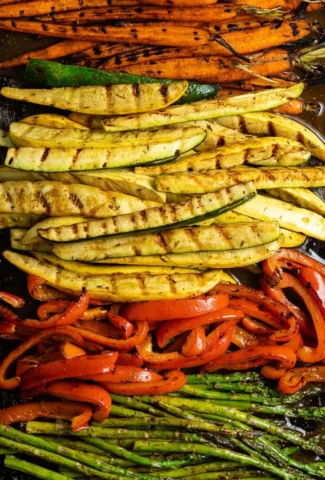
Imagine this: the moment those marinated strips of carrot and asparagus hit the hot grates, a gentle sizzle rises, and the smell of honeyed balsamic mingles with the earthy smoke of the grill. The colors deepen — the red bell peppers become almost jammy, the yellow squash turns golden with char marks, and the zucchini softens to a buttery tenderness. The dressing isn’t just a surface coat; it seeps into every crevice, thanks to the Dijon mustard that acts as both an emulsifier and a tenderizer. Each bite offers a contrast: the slight crunch of the asparagus tip, the sweet surrender of roasted carrot, and the savory pop of grilled pepper. It’s the kind of side dish that steals the show at any backyard gathering, a vibrant mosaic on a platter that makes you feel like you’re eating something truly special.
I’ve spent years perfecting this balance. After training in Paris, I learned that the best marinades are built on a simple formula: acid, fat, sweetness, and seasoning. This grilled vegetables marinade nails all four. My secret twist? A generous teaspoon of garlic powder (not fresh garlic, which can burn and turn bitter on the grill) and dried thyme, which holds up beautifully to high heat. One common mistake I see is people not marinating long enough or crowding the grill — both lead to steamed, soggy veggies instead of those gorgeous charred streaks. With my method, you’ll get foolproof results every time: vegetables that are tender inside, slightly charred outside, and bursting with the flavors of a Moroccan garden meeting a Parisian bistro. From my NYC kitchen to yours — I hope this recipe brings as much warmth to your table as it does to mine.
Why This Grilled Vegetables Marinade Recipe Is the Best
The Flavor Secret: The magic here lies in the balance of tangy balsamic vinegar, smooth Dijon mustard, and a touch of honey. This trio creates a glaze that caramelizes beautifully on the grill without burning. The Dijon, a trick I picked up from a saucier in Paris, acts as a natural emulsifier, binding the oil and vinegar into a velvety marinade that clings to every vegetable slice. It’s the same technique I use for my vinaigrettes, but scaled up for the grill. The result is a depth of flavor that’s both familiar and exciting — a nod to my North African roots, where sweet and tangy notes are a staple in every kitchen.
Perfected Texture: From my chef’s perspective, the key to great grilled vegetables is avoiding sogginess. This marinade is designed to coat the vegetables without weighing them down, thanks to the correct oil-to-acid ratio. The garlic powder and dried thyme are ground fine enough to stick to the veggies but not so fine that they burn. The long strip cuts (halving carrots lengthwise, quartering zucchini) ensure even cooking and give you beautiful grill marks. I’ve tested this recipe with dozens of vegetable combinations, and this specific blend of carrots, asparagus, zucchini, yellow squash, and red bell pepper delivers the best mix of textures — from crunchy to creamy to snappy.
Foolproof & Fast: This recipe is forgiving enough for a beginner but impressive enough for a dinner party. The marinade takes just five minutes to whisk together, and you can prep it days in advance. The vegetables only need 30 minutes to marinate, and the total grill time is under 15 minutes. I’ve designed it for the home cook who wants maximum flavor with minimal fuss. No fancy equipment, no obscure ingredients — just simple, honest food that tastes like a chef made it. Whether you’re using a gas grill, charcoal, or even a grill pan on the stove, these tips will work every time.
Grilled Vegetables Marinade Ingredients
I always pick up my produce at the Union Square Greenmarket in NYC, where the summer squash is so fresh it practically glows. When I find thick, bunched asparagus and rainbow carrots, I know the season has truly begun. The same goes for the pantry staples — I reach for a good-quality balsamic vinegar (the kind that’s aged and slightly syrupy) and a jar of Dijon mustard that’s smooth, not grainy. For the honey, I love using a local wildflower honey, which has a complex floral note that complements the vegetables perfectly. This marinade is a testament to simple ingredients working in harmony.
Ingredients List
- 1/3 cup olive oil
- ¼ cup balsamic vinegar
- 3 tablespoons dijon mustard
- 3 tablespoons honey
- 1 ½ teaspoon dried thyme
- 1 teaspoon garlic powder
- 1 teaspoon salt
- ½ teaspoon ground black pepper
- 1 pound carrots (halved or quartered)
- 1 pound asparagus (trimmed)
- 2 zucchini (cut into sixths)
- 2 yellow squash (cut into sixths)
- 1 large red bell pepper (cut into ½ inch strips)
Ingredient Spotlight
Balsamic Vinegar: This is the backbone of the marinade’s tang. The acidity helps break down the fibers of the carrots and asparagus, making them tender without mushiness. Select a good-quality, moderately aged balsamic (around 6-8 years) for the best balance of sweet and sour. Avoid the super cheap stuff, which can be harsh. A tested substitution is apple cider vinegar mixed with a pinch of brown sugar, but the flavor will be less complex and more one-dimensional.
Dijon Mustard: This is my secret weapon for extra flavor and texture. It emulsifies the oil and vinegar, creating a creamy, clinging marinade that doesn’t slide off the vegetables. It also adds a subtle heat and depth that rounds out the sweetness of the honey. In US grocery stores, look for a pale yellow, smooth Dijon in the condiment aisle. A substitute is whole-grain mustard, which will add a different texture but still work; it will be more rustic and less smooth.
Dried Thyme: I always use dried thyme instead of fresh for this recipe because it holds up under high grill heat without burning. The dried leaves release their flavor slowly, infusing the vegetables from the inside out. It’s a common herb in my mother’s Moroccan cooking, where it’s used in tagines and marinades for red meat. If you only have fresh, use about 4 teaspoons, finely chopped, but expect a slightly greener, more pungent flavor.
Red Bell Pepper: This adds both sweetness and a vibrant pop of color. The natural sugars in the pepper caramelize beautifully on the grill, creating those gorgeous charred edges. I always slice them into ½-inch strips, not chunks, so they cook evenly and don’t fall through the grates. A tested substitution is orange or yellow bell pepper, which are similar in sweetness. Green bell peppers are less sweet and slightly bitter, so they will change the flavor profile considerably.
| Original Ingredient | Best Substitution | Flavor / Texture Impact |
|---|---|---|
| Balsamic Vinegar | Apple Cider Vinegar + 1 tsp brown sugar | Sharper, less complex, slightly thinner |
| Dijon Mustard | Whole-Grain Mustard | More rustic texture, milder heat |
| Dried Thyme | Fresh Thyme (4 tsp, chopped) | More pungent, greener flavor; use with care |
| Red Bell Pepper | Orange or Yellow Bell Pepper | Similar sweetness; green bell pepper is less sweet and bitter |
How to Make Grilled Vegetables Marinade — Step-by-Step
Trust me, this is the easiest, most foolproof way to get perfectly grilled vegetables every time. Follow these steps, and you’ll have a stunning platter of charred, tender, flavor-packed veggies that will make you the star of any cookout.
Step 1: Make the Marinade
Set out a 1-2 cup measuring pitcher. Measure all the marinade ingredients — olive oil, balsamic vinegar, Dijon mustard, honey, dried thyme, garlic powder, salt, and black pepper — directly into the pitcher. Whisk vigorously until everything is smooth and fully emulsified. The Dijon mustard helps the oil and vinegar come together into a creamy, cohesive dressing. You can use this immediately or cover it and refrigerate for up to a week.
💡 Samantha’s Pro Tip: For the smoothest emulsification, whisk in a figure-8 motion. If you’re making it ahead, give it a quick shake or whisk again before using, as the ingredients may separate.
Step 2: Prepare the Vegetables
Trim and slice all the vegetables into long strips. For carrots, halve or quarter them lengthwise depending on their thickness. For zucchini and yellow squash, cut them into sixths lengthwise — this creates long planks that are perfect for the grill. Trim the tough ends off the asparagus. Slice the red bell pepper into ½-inch wide strips. This uniform cutting ensures everything cooks at the same rate and prevents small pieces from falling through the grates.
⚠️ Common Mistake to Avoid: Cutting the vegetables into small, round discs or cubes. These will fall through the grates and burn quickly. Long, flat strips are the way to go for easy handling and perfect char marks.
Step 3: Marinate the Vegetables
Place the prepared vegetables on a large rimmed baking sheet. Pour the whisked marinade over the top. Using your hands (or two large spoons), gently toss all the vegetables to coat them evenly in the marinade. Be careful not to break the asparagus tips. Spread them out in a single layer on the baking sheet so they’re not overcrowded. Cover and refrigerate for at least 30 minutes, or up to several hours. The longer you marinate, the more flavor penetrates the vegetables.
💡 Samantha’s Pro Tip: Don’t skip the marinating time! Even 30 minutes makes a huge difference. The acid in the balsamic vinegar and the enzymes in the honey start to tenderize the vegetables, making them sweet and juicy on the inside.
Step 4: Preheat the Grill
Meanwhile, preheat your grill to medium heat, about 350 degrees F. If you’re using a charcoal grill, wait until the coals are ash-covered and glowing. A clean, oiled grill grate will prevent sticking and give you those beautiful sear marks. For a gas grill, close the lid and let it heat up for 10-15 minutes.
⚠️ Common Mistake to Avoid: Grilling over high heat. Medium heat is key. Too high, and the honey and balsamic will burn before the vegetables are tender. You want a gentle sizzle, not a flare-up.
Step 5: Grill the Vegetables
Once the grill is hot, place the carrots on first, as they take the longest to cook. Lay them across the grates so they don’t fall through. Carrots need a head start of 3-4 minutes on their own. Flip them over, then lay the rest of the vegetables — asparagus, zucchini, yellow squash, and bell pepper strips — on the grill in a single layer. Grill everything together for another 8-10 minutes, flipping once halfway through. The vegetables are done when they are tender and have nice char marks, but are still slightly firm. Remove with tongs.
💡 Samantha’s Pro Tip: Leave the grill lid closed as much as possible to create an oven-like environment that cooks the vegetables through without drying them out. If your grill has a lid, keep it down for most of the cooking time.
| Step | Action | Duration | Key Visual Cue |
|---|---|---|---|
| 1 | Make the marinade in a pitcher | 5 minutes | Smooth, no visible oil separation |
| 2 | Trim and slice vegetables into strips | 10 minutes | Uniform long strips |
| 3 | Toss vegetables with marinade | 5 minutes | All veggies evenly coated |
| 4 | Marinate vegetables | 30+ minutes | Veggies look glossy and have absorbed some color |
| 5 | Preheat grill to medium (350°F) | 10-15 minutes | Grill is hot and clean |
| 6 | Grill carrots first, then all veggies | 12-14 minutes | Char marks, tender interior, slight firmness |
Serving & Presentation
Once the vegetables come off the grill, I like to arrange them on a large, rustic wooden platter — the kind my mother would use for her tagines. Lay the carrots in a fan pattern, then artfully scatter the asparagus, zucchini, and bell peppers over and around them. The contrasting colors — deep orange, green, yellow, and red — create a stunning visual that makes the dish feel celebratory. For a final touch, I squeeze a little extra fresh lemon juice over the top and scatter a few chopped fresh parsley leaves. This brightens the flavors and adds a fresh, herby note that cuts through the smoky richness.
These grilled vegetables are incredibly versatile. I love serving them as a healthy summer side dish alongside grilled chicken or fish, but they also shine as a main course for a light dinner, piled onto couscous or quinoa. Sometimes, I chop them up and toss them into a grain bowl with a dollop of labneh or Greek yogurt. A drizzle of extra balsamic glaze at the end adds a beautiful, restaurant-worthy finish. In the summer, I’ll bring this platter to every barbecue and potluck — it’s always the first thing to disappear.
| Pairing Type | Suggestions | Why It Works |
|---|---|---|
| Side Dish |
Reader Interactions |
Leave a Reply