Table of Contents
Peach Blueberry Galette (A Fresh Take on a Classic Fall Dessert) – Sweet Simplicity
Introduction
The scent of ripe peaches drifting from my grandmother’s kitchen in Marrakech has always echoed into my Parisian pastry classes, and now it thrives in the bustle of New York City. In this Peach Blueberry Galette, I’ve added a fresh take on a classic fall dessert, weaving buttery pastry with bright berry flavors that dance on the palate. My aim was to create a dish that feels both comforting and adventurous, ready for a Sunday brunch or a last‑minute gathering.
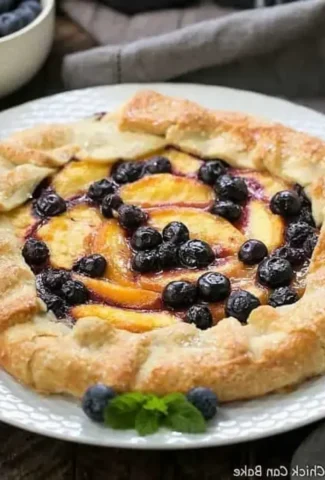
Imagine a flaky, golden crust that crackles with every bite, set beneath a vibrant mixture of peaches and blueberries that release a gentle steam of sweetness and tartness. The subtle hint of vanilla from the milk, along with a touch of sea salt, balances the fruit’s natural sugars, while the coarse sugar rim adds a caramelized crunch. The whole dish looks like a rustic treasure chest—an edible piece of autumn’s heart, worthy of both cameras and taste buds.
What sets this galette apart is my three‑step dough technique: cornmeal‑like crumble, chilled overnight, and an open‑bake style that keeps the filling moist. The pro tip I’ve learned on a hectic NYC night: brush the crust with a lightly beaten egg white before topping for a shiny, golden edge that holds up even when the platter is tossed to guests. And don’t forget—keep the dough cold; otherwise the butter will melt and you’ll end up with a soggy, less flaky crust.
Why This Peach Blueberry Galette Recipe Is the Best
The flavor secret lies in the balance of sweetness and acidity. Mixing ripe peaches with tart blueberries amplifies the natural sugars of each fruit while the citrusy glaze from the milk and egg yolk lifts the batter’s depth. My French pastry training taught me that a crust with about 60% butter produces the ideal flakiness, and I’ve honed that with a precise cornmeal‑like crumble to prevent the dough from sealing.
I perfected the texture through a two‑stage chill: first a quick 30‑minute rest after formation, then an optional overnight rest to allow the gluten to relax. The result is a pastry that’s crisp on the edges but still tender in the middle, with a buttery bite reminiscent of a well‑made croissant. The fruit filling stays juicy, thanks to a light dusting of flour that thickens without turning into roux.
For beginners, the galette is a foolproof, fast starter. All the baking is done in a single sheet pan, and the open‑bake style means you can add the fruit while watching the crust rise. There’s no need for delicate crust handling or blind baking—just press, fold, and bake. The short prep and one‑pan technique fit perfectly into a hectic NYC schedule, making this dish reliable for week‑night wins.
Peach Blueberry Galette Ingredients
I sourced these items from the farmers market on 14th Street, where an aromatic stack of peaches shone bright. For anyone living in Manhattan or the suburbs, you can find similar quality at Whole Foods or Trader Joe’s. The ingredients are simple yet packed with flavor—just enough to highlight the berries and peaches without overpowering the pastry.
Ingredients List
- 1 ½ cups all‑purpose flour, plus extra for rolling
- 1 tablespoon sugar
- ¼ teaspoon sea salt
- 11 tablespoons cold unsalted butter, cut into ½‑tablespoon pieces (I used Land o’ Lakes)
- 1 egg yolk (reserve the white for glazing)
- 3 tablespoons milk
- 2 cups peeled and sliced fresh peaches (about 1 pound)
- ½ cup fresh blueberries
- ¼ cup sugar, plus 2 tablespoons coarse sugar for topping
- 2 tablespoons flour, for fruit coating
- Pinch of salt, for fruit
- 1 egg white, beaten, for glaze
Ingredient Spotlight
Butter is the star of the crust—use cold, high‑fat butter for the best flakiness. Substituting grass‑fed butter adds a slight nutty undertone, and you can cut the quantity 10 % to reduce overall fat while maintaining crispness.
Peaches bring a mellow sweetness; choose those that feel slightly firmer, not mushy. A quick dip in lemon‑water preserves their color and reduces oxidation. If peaches are out of season, frozen sliced peaches can work—just thaw and pat dry before adding.
Blueberries provide a sweet‑tart contrast. Opt for fresh, plump berries; avoid shriveled ones that will release too much juice and soggify the crust. A pinch of salt enhances their bright flavor, and if you prefer a drier bite, replace the blueberries with diced strawberries.
| Original Ingredient | Best Substitution | Flavor / Texture Impact |
|---|---|---|
| 11 tbsp butter | 10 tbsp coconut oil | Slight coconut note; less moisture, slightly crisper |
| Peaches | Apples (chopped) | Mildly tart; retains crispness; needs baking powder for softness |
How to Make Peach Blueberry Galette — Step-by-Step
Let’s get this buttery, fruity masterpiece together. I’ll walk you through the steps, and you’ll see how simple a galette can be.
Step 1: Prepare Dough
Combine 1 ½ cups flour, 1 tbsp sugar, and ¼ tsp salt in a food processor. Pulse until the dough has a cornmeal texture. Add the cold butter, pulse until butter is in small pieces.
💡 Samantha’s Pro Tip: Keep the mixture cold; if it’s too warm, the butter melts and the crust becomes tender instead of flaky.
Step 2: Assemble Yolk Mixture
Whisk 1 egg yolk with 3 tbsp milk, then pour into the dough. Pulse until the dough comes together. Flatten the disk, chill wrapped in plastic for 30 min.
⚠️ Common Mistake to Avoid: Skipping the rest can make it hard to roll out later.
Step 3: Preheat & Toss Fruit
Preheat oven to 350 °F. Toss peaches and blueberries with ¼ cup sugar, 2 tbsp flour, and a pinch of salt. This coating dries the fruit slightly, preventing sogginess.
💡 Samantha’s Pro Tip: Adding a teaspoon of lemon zest brightens the berry flavor instantly.
Step 4: Roll & Assemble
Roll the dough to a 12‑inch round on a lightly floured surface. Transfer to a parchment‑lined rimmed sheet. Arrange fruit in center, leaving a 1‑inch border.
⚠️ Common Mistake to Avoid: Over‑stretching the dough causes cracks that run through the pie.
Step 5: Pleat & Glaze
Fold the edges over the fruit, pleating as needed. Brush with egg white, sprinkle coarse sugar. This glaze keeps the border crisp.
💡 Samantha’s Pro Tip: Brush the crust lightly before adding the sugar to avoid clumping.
Step 6: Bake & Serve
Bake until crust is light brown, 50 min. Allow 10 min cooling. Cut and serve warm with optional whipped cream or vanilla ice cream.
⚠️ Common Mistake to Avoid: Removing from oven too early can leave the fruit undercooked.
| Step | Action | Duration | Key Visual Cue |
|---|---|---|---|
| 1 | Prepare dough | 10 min | Cornmeal texture |
| 2 | Chill dough | 30 min | Dough remains firm |
| 3 | Toss fruit | 5 min | Fruit coated in light dusting |
Serving & Presentation
On a wooden platter, arrange slices of the galette with a drizzle of lemon honey to echo the Moroccan zest. Sprinkle fresh mint leaves for a pop of color, and serve alongside a scoop of vanilla bean ice cream that melts in the warm summer afternoon.
If the weather calls for a cooler bite, swap the ice cream for a dollop of freshly whipped cream, lightly sweetened with a touch of honey. The caramelized sugar on the crust mirrors the flaky crust from the market stalls of New York’s Grand Central, marrying urban chic with desert nostalgia.
| Pairing Type | Suggestions | Why It Works |
|---|---|---|
| Side Dish | Light arugula salad with orange vinaigrette | Brightens the fruit notes and adds peppery crunch |
| Sauce / Dip | Greek yogurt with honey & fresh mint | Cool contrast to warm pastry |
| Beverage | Sparkling rosé or chilled sparkling water with lemon | Refreshes palate between bites |
| Garnish | Citrus zest, candied almonds, edible flowers | Adds aroma and a festive look |
Make-Ahead, Storage & Reheating
I often prepare this galette the night before a holiday gathering. Let it chill under a loose covering to keep the crust crisp. On the morning of the event, simply reheat for 10 min at 350 °F to refresh the flavors.
| Method | Container | Duration | Reheating Tip |
|---|---|---|---|
| Refrigerator | Aluminum parchment sheet | 3 days | Reheat 10‑12 min at 350 °F |
| Freezer | Cylindrical container | 2 months | Thaw overnight, bake 20 min |
| Make-Ahead | Individual serving tins | 10 days | Assemble, refrigerate, bake on serving day |
Reheating from the refrigerator is straightforward—just add a sprinkle of extra coarse sugar to revive that caramelized finish. When frozen, I spread the batter over parchment to keep it from sticking, and I add a light drizzle of olive oil after baking to restore moisture.
Variations & Easy Swaps
| Variation | Key Change | Best For | Difficulty Impact |
|---|---|---|---|
| Maple‑Glazed Galette | Swap 1 tbsp sugar with 2 tbsp pure maple syrup | Winter comfort | Same |
| Gluten‑Free | Use 1 ½ cups almond flour | Allergy‑friendly meals | Requires slight adjustment to wetness |
| Spiced Twist | Add ½ tsp ground ginger & cardamom | Autumn festivals | Minor increase in prep |
Maple‑Glazed Galette
Swapping sugar for maple syrup gives an earthy depth that pairs perfectly with the buttery crust, echoing the smoky ambiance of a New York winter café. The syrup also sweetens the fruit without overwhelming it.
Gluten‑Free Galette
Using almond flour keeps the pastry tender yet tender, though it slightly darkens the crust. Adding a tablespoon of potato starch or cornstarch helps achieve a crispness similar to the original.
Spiced Twist Galette
A pinch of cardamom and ginger releases warm aromatic undertones reminiscent of Moroccan spice stalls, turning this dessert into a seasonal showstopper for Thanksgiving or holiday brunches.
Can I use frozen peaches for this galette?
Yes, frozen peaches work well if they’re thawed and drained before mixing. Frozen fruit retains about 80% of its natural sweetness, but you’ll want to pat them dry to avoid excess moisture that can make the crust soggy. Once thawed, toss them in a light flour‑sugar blend to keep the coating dry and prevent the filling from becoming too watery during baking.
What substitute can I use for the butter in the crust?
Unsalted butter is ideal, but you can swap for 10 tablespoons of coconut oil (dry‑rolled) to get a hint of coconut flavor. Alternatively, a blend of half butter and half olive oil adds a subtle olive undertone while keeping the crust tender. Both substitutions maintain flakiness, though coconut may harden the pastry if left at room temperature for long periods.
Unsalted butter is ideal, but you can swap for 10 tablespoons of coconut oil (dry‑rolled) to get a hint of coconut flavor. Alternatively, a blend of half butter and half olive oil adds a subtle olive undertone while keeping the crust tender. Both substitutions maintain flakiness, though coconut may harden the pastry if left at room temperature for long periods.
How long can I keep the baked galette refrigerated?
The galette stays fresh for up to three days in the refrigerator when stored in an airtight container or wrapped tightly with parchment and foil. Keep it at or below 40 °F to maintain the crust’s crispness. For best experience, reheat in a 350 °F oven for 10 min to restore warmth and texture.
Can I bake this galette in a cast‑iron skillet?
Absolutely. A pre‑heated cast‑iron skillet will give the crust an even, rustic finish that’s perfect for a brunch presentation. Just line the skillet with parchment, assemble the galette, and bake at 350 °F for 50 min. The skillet’s heat retention also keeps the filling moist and evenly baked.
What’s a good sauce to accompany this galette?
A simple vanilla yogurt sauce glazed with honey and a splash of citrus works beautifully. Whisk the yogurt until smooth, add honey to taste, and zest a lemon or orange for bright acidity. Gently simmer the sauce over low heat until it thickens slightly, then drizzle over the galette just before serving to introduce a cool, creamy contrast.
How can I make this dish gluten‑free?
Replace the all‑purpose flour with an equal amount of a gluten‑free blend (like blend A from King Arthur). Add a tablespoon of xanthan gum to keep the dough structural. For the dough’s crumb, use the same cold butter technique, and after chilling, roll it out as usual. The resulting crust will be tender and slightly denser but remains delicious and safe for gluten‑sensitive diners.
Can I adjust the sweetness of the tart?
Yes, tweak the sugar amounts to suit your preference. For less sweetness, reduce the ¼ cup sugar that coats the fruit and replace it with a teaspoon of ground lemon zest. This citrus lift keeps the flavor bright without relying on additional sugar, and it will complement the buttery crust for those who prefer a more balanced, tart profile.
What’s the best way to store the dough before baking?
The dough is best kept cold to maintain its flakiness. After forming the disk, wrap it tightly in plastic wrap and place it in the refrigerator for at least 30 minutes to an hour. Optionally, you can refrigerate overnight; this allows the gluten to relax further, making it easier to roll out and preventing it from shrinking when baked.
Share Your Version!
I’d love to hear how you re‑imagine this galette—do you add a dash of cinnamon, swap the blueberries for fresh raspberries, or perhaps keep it entirely dairy‑free? Drop a comment below, give it a star rating, and tell me what makes your version uniquely yours.
Snap a photo of your galette, share it on Instagram or Pinterest, and tag @mykitchenstorie. I’ll be on the lookout for creative takes that put a twist on my classic approach.
If you’ve tested the “Maple‑Glazed” or “Spiced Twist” versions, let me know how they came through for you. Your feedback could inspire the next blog post!
From my NYC kitchen to yours — I hope this recipe brings as much warmth to your table as it does to mine. — Samantha 🧡
Love This Recipe? Save It to Pinterest!
If you enjoyed this Peach Blueberry Galette recipe, don’t let it get lost in your browser tabs! 😄 Pin it now so you can find it again anytime — and explore hundreds more tried‑and‑tested recipes waiting for you on my Pinterest boards.
👉 Follow Samantha on Pinterest @exorecipe
📌 Pin this recipe · 🔁 Re‑pin your favorites · 💬 Tag me when you make it — I love seeing your creations!
Got questions, variations, or a kitchen triumph? Comment below, hit the share button, and let’s keep the conversation sweet and savory!
Peach Blueberry Galette

A scrumptious dessert featuring peaches and blueberries and a buttery pastry crust!
Ingredients
- 1 ½ cups flour, plus more for rolling
- 1 tablespoon sugar
- ¼ teaspoon salt
- 11 tablespoons cold butter, cut into ½ tablespoon pieces, I used Land o' Lakes
- 1 egg yolk (reserved white to glaze dough)
- 3 tablespoons milk
- 2 cups peeled and sliced fresh peaches (about 1 pound)
- ½ cup fresh blueberries
- ¼ cup sugar
- 2 tablespoons flour
- Pinch of salt
- 1 egg white, beaten
- 2 tablespoons sugar (coarse sugar preferred but granulated is fine)
Instructions
- To make the dough, combine the flour, sugar, and salt in a food processor and pulse to combine. Add the butter to the flour and pulse till the butter is broken into small pieces and the mixture resembles cornmeal.
- Mix together the egg yolk and milk and add to the dough. Pulse till the dough comes together. Pour onto a piece of plastic wrap and press into a flat disk. Wrap and chill for 30 minutes.
- Preheat the oven to 350°F. Line a rimmed baking sheet with parchment paper and set aside.
- Carefully toss the peaches and blueberries with the sugar, flour, and salt.
- Roll out the dough to a 12-inch round on a lightly floured surface. Carefully move the dough to the baking sheet. Arrange the fruit in the center of the dough, leaving about an inch of the perimeter uncovered.
- Fold the outside edge of the dough over the fruit, pleating as needed. Brush egg white over the exposed crust. Sprinkle the coarse sugar over the dough and fruit.
- Bake the galette until the crust turns a light brown and the filling bubbles, about 50 minutes. Let cool for 10 minutes then cut and serve warm with whipped cream or vanilla ice cream, if desired.
Leave a Reply