Table of Contents
The Best Ever Greek Chicken Marinade: Six-Ingredient Mediterranean Simplicity – Juiciest, Most Delicious Chicken
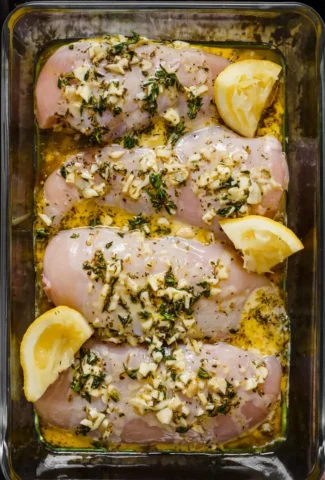
I remember the first time I stole a secret family recipe from my mother’s kitchen in Morocco: a simple lemon‑garlic combo that turned a humble chicken roast into a showstopper. When I brought that muscle to the bright lights of Paris for culinary school, I tweaked it with a splash of Dijon and an earthy touch of thyme. Now, in the hustle of NYC, I love whipping up the same succulent chicken in under half an hour. The secret? Six ingredients, a splash of zest, and a handful of aromatic herbs. This is the main keyword that threads through every bite—Greek Chicken Marinade—delivered with a unique twist of Mediterranean “six‑ingredient” simplicity that saves you time and mess.
Picture that light, golden skin, crisped to a delicate rosiness, while the interior stays tender and drizzled with a lemony, garlic‑thyme sauce. The aroma climbs the plates like saffron over couscous, and the bright citrus cuts through the savory fat, creating a bright burst of flavor that one can taste. Each bite offers a harmonious blend of salt, acid, and herbal undertones—a symphony of textures that feels both familiar from the Moroccan souk and exotic in the Manhattan kitchen.
I’ve taken that humble base and introduced a pro tip—whisk the Dijon in the very last swirl, not until the herbs are fully blended—to keep the mustard’s brightness intact. One common mistake I’ve seen is letting the garlic rest for too long before cooking; it loses citrus flavors. That’s why I stir vigorously right before you add the chicken—ensuring each piece is encrusted with that perfectly complex kick.
Why This Best Ever Greek Chicken Marinade Recipe Is the Best
The flavor secret lies in the marriage of a fresh lemon squeeze and a generically subtle thyme. From the chaotically aromatic markets of Marrakesh to the understated yet bold flavors of French cuisine, I blend them to create a sub‑delicate yet bright profile. The light salt and Dijon tease the palate, giving it that “I’m at a fancy Greek taverna” feeling, while still keeping it approachable for everyday dinners.
The perfected texture comes from a simple technique: while whisking, I add a tablespoon of warm water to keep the mixture from thickening when the mustard dissolves. This gives the coating a silky coat that sticks to the chicken without turning it gummy, resulting in queso‑thin skin that splinters when you bite.
It’s foolproof and fast because the recipe uses only six ingredients, and the entire process takes thirty minutes from start to grill. The only “cheat” is the “delay” of adding the Dijon last—this trick is the one that keeps the mustard’s brightness alive while still ensuring the mix stays liquid enough for a quick spread on the meat.
Greek Chicken Marinade Ingredients
I start by snagging a high‑quality extra‑virgin olive oil at the Brooklyn farmers market, then I grab a lemon and a handful of fresh thyme from the specialty aisle at Whole Foods. The garlic comes from a crisp white bulb, and the Dijon comes from my favorite French grocery chain in the West Village. The whole ensemble—though minimal—creates an explosion of flavor that keeps your taste buds dancing.
Ingredients List
- 1/4 Cup Olive Oil
- 1 Lemon (juiced)
- 2 Garlic Cloves, minced
- 2 Teaspoons Thyme, chopped
- 1 Teaspoon Dijon Mustard
- 1 Teaspoon Salt
Ingredient Spotlight
Olive Oil – It’s the base that locks in moisture. In New York, I prefer a robust extra‑virgin olive oil from California’s central valley; it offers a peace‑of‑mind crispness. If you’re in a pinch, a light olive oil still works and yields a slightly finesse.
Lemon – The citrus power. I always look for a bright, thin‑skinned lemon that yields plenty of juice. If you can’t find fresh lemons, a good quality bottled lemon juice is a fine substitute, though it’s slightly less vibrant.
Thyme – The herb that brings the north‑Mediterranean vibe from the initial Moroccan market. Choose fresh thyme over dried to get maximum aroma. A dried alternative is fine if you’re short on time and still want that herbal punch.
| Original Ingredient | Best Substitution | Flavor / Texture Impact |
|---|---|---|
| Olive Oil | Canola Oil | Reduces smoky depth but still moistens. |
| Dijon Mustard | Yellow Mustard | Gentler bite, less tang. |
| Fresh Thyme | Dried Thyme | Less aroma, but still herbaceous. |
How to Make Best Ever Greek Chicken Marinade — Step-by-Step
Let’s dive in; the entire process is straightforward and demands no fancy equipment—just a bowl, a whisk, and your taste buds.
Step 1: Whisk Marinade
In a medium bowl, combine the olive oil, lemon juice, minced garlic, chopped thyme, Dijon mustard, and salt. Whisk vigorously for 30 seconds until the mixture is smooth and slightly glossy. The garlic should be finely minced to disperse its flavor.
💡 Samantha’s Pro Tip: Whisk a splash of warm water into the mix to separate the mustard fully before adding the herbs, delivering a silkier palate.
Step 2: Apply to Chicken
Evenly disperse the marinad onto your chicken pieces—thighs or breasts—ensuring each quarter of the surface is coated. Gently press the mixture into the flesh; it should cling like a light glove.
⚠️ Common Mistake to Avoid: Leaving garlic to sit for too long before cooking. The green brightness fades; whisk quickly before baking.
Step 3: Refrigerate
Place the marinated chicken in a shallow dish, cover loosely with plastic, and chill for a minimum of 1‑2 hours—or up to 24—depending on your schedule. The longer the marination, the deeper the flavor.
💡 Samantha’s Pro Tip: If you’re marathon‑cooking, a quick 30‑minute chill still produces juicy results.
Step 4: Cook
Preheat an oven to 400°F or light a grill to medium‑high. Order the chicken onto a pan or broiler, cooking for 20‑25 minutes until skin is crisp and the interior reaches 165°F. Upside‑down on a broiler for the last 3 minutes creates a delightful char.
⚠️ Common Mistake to Avoid: Over‑crowding the pan, which steams the chicken instead of grilling.
Step 5: Plating
Let the chicken rest for 5 minutes after cooking to allow juices to redistribute. Plate with a handful of fresh parsley for garnish, a squeeze of lemon for aroma, and an accompaniment of Greek yogurt or tzatziki for a cooling finish.
💡 Samantha’s Pro Tip: Drizzle a light touch of honey over the grilled skin for a sweet‑salty finish—my favorite Manhattan addition!
| Step | Action | Duration | Key Visual Cue |
|---|---|---|---|
| 1 | Whisk Marinade | 30 sec. | Glossy, homogenous mix. |
| 2 | Apply to Chicken | 3–4 mins. | Even coating. |
| 3 | Refrigerate | Minimum 1–2 hrs. | Marinated appearance. |
| 4 | Cook | 20–25 mins. | Golden, crisp skin. |
| 5 | Plating | 5 min rest. | Steaming steam. |
Serving & Presentation
Pull the chicken out of the pan, let it rest, and serve alongside roasted Mediterranean vegetables—the color palette of orange, deep green, and soft yellow. A sprinkling of chopped parsley and a drizzle of tahini sauce brings the dish a festive touch that pays homage to Moroccan markets over at the corner of 5th Street.
Garnishes are all about transparency—light, bright, and inviting. Include a wedge of lemon squished over the chicken to echo the marinade’s signature zing.
The traditional pairing is a scoop of Greek yogurt or tzatziki, providing contrast to the sweetness of the lemon and the warmth of the thyme. Add a fresh flatbread or sliced pita crust from the local bakery, and you’ve got a true Mediterranean experience that feels like a week‑night dinner on the boulevard.
| Pairing Type | Suggestions | Why It Works |
|---|---|---|
| Side Dish | Roasted asparagus, bulgur salad, grilled eggplant | Server freshness and heartiness. |
| Sauce / Dip | Tzatziki, roasted red pepper paste, lemon aioli | Bright, cooling counter‑balance. |
| Beverage | White wine (Sauvignon), sparkling water, iced tea | Pairs with lemon for a refreshing finish. |
| Garnish | Fresh parsley, lemon zest, crumbled feta | Highlights Mediterranean character. |
Make-Ahead, Storage & Reheating
When my 9‑to‑5 runs into a Brooklyn nightlife, I rely on this recipe being reheatable. After cooking, I slide the chicken into an airtight container and move it into the refrigerator. Leftovers stay juicy for up to one week, and if you need to take them to the office, I add a spritz of lemon juice before packing to keep the sauce wet.
| Method | Container | Duration | Reheating Tip |
|---|---|---|---|
| Refrigerator | Plastique airtight container | Up to 7 days | Microwave 1–2 mins or oven 10 mins |
| Freezer | Food‑Safe freezer bag | Up to 3 months | Thaw overnight, reheat 10–12 mins |
| Make-Ahead | Large pot or Dutch oven | Make 2–3 days ahead | Re‑assembly: restok with fresh herbs |
I’ve also found that if you reheat in the skillet with a splash of olive oil, the chicken’s texture remains desirable, not dry or rubbery. In the break‑up weeks of Manhattan, this becomes an invaluable trick.
Variations & Easy Swaps
| Variation | Key Change | Best For | Difficulty Impact |
|---|---|---|---|
| Mediterranean Chickpea Salad | Add chickpeas and feta. | Vegan. | Easy. |
| Gluten‑Free Version | Omit thyme, add cumin. | Gluten‑free. | Easy. |
| Seasonal Green | Swap thyme for fresh mint. | Summer. | Easy. |
Gluten‑Free Version
Replace the sunflower‑based flour coating if you were using one with a gluten‑free blend of cornstarch and almond flour. The texture stays tender, and the flavors remain harmonious. As an extra twist, sprinkle in a dash of smoked paprika for an added depth that everybody recognizes.
Seasonal Green
During late summer, I queue up fresh mint and avocado. The mint’s coolness contrasts the warm lemon, and the creamy avocado adds a luxurious finish. This swap is a testament to my New York convention of incorporating fresh produce from spring markets.
Vegetarian Chicken Salad
If you’re planning a light lunch, shred the cooked chicken and fold it into a crisp romaine salad with paprika and a yogurt drizzle. The mustard’s bite keeps the mix tasty on busy business days, and the lightness is a modern Manhattan must‑have.
What is the best way to store leftover Greek chicken?
Store fresh Greek chicken in the refrigerator for up to a week in an airtight container or wrap tightly with foil. Don’t forget to add a splash of lemon juice or a small dab of tzatziki on top to keep it moist. If you plan to keep it longer, place it in the freezer for up to 3 months. Just thaw overnight and reheat gently in a skillet or oven with a drizzle of olive oil to preserve its juicy texture.
Can I use olive oil substitute?
Yes, if you want a less pronounced olive flavor or to cut calories, you can use light olive oil, canola, or extra‑virgin olive oil from another region. It will change the depth slightly but won’t alter the key aroma of thyme and lemon.
How long can the chicken marinate before it gets too tangy?
Short‑term marination of 1–2 hours gives a bright zing; for deeper flavor, you can let it sit up to 24 hours. After that, acid from the lemon might overwhelm the porky taste and begin to “bleed” the flesh. I recommend pausing at the 12‑hour mark to taste.
Is this feta‑friendly?
Absolutely! The tangy saltiness of feta complements the lemony dust, while the thyme adds depth to the classic Greek heart. Just crumble it on top after cooking or serve on the side. If you want a creative twist, mix the feta into a light yogurt dressing.
Could I use Greek yogurt in the marination?
While the secret sauce is oil‑based to keep the chicken juicy, a yogurt‑based marinade can give a different texture. Substitute 1/4 cup of plain yogurt for the oil, keep the lemon and mustard, and marinate for 30–60 minutes. The result will be slightly tangy and tender but not as crisp on the skin.
What pairing dishes should I consider for this chicken?
You’ll love pairing the chicken with roasted carrots, a cucumber‑tossed Greek salad, or even a light couscous. The lemon and mustard complement sweet potatoes or butternut squash, while the thyme and garlic add depth. It’s a versatile base that can be dressed up or down.
Is this recipe safe for all poultry types?
Yes. The technique works wonderfully for thighs, breasts, and even drumsticks. For bone‑in options add a touch more oil to avoid dry bone. All types will absorb the bright flavors and stay moist.
How do I know when the chicken is fully cooked?
The most accurate test is a meat thermometer. Cook to 165°F—if you’re pan‑searing on the stove, check around the thickest part of the breast or thigh. The juices should run clear. If you’re broiling, use a timer and closely watch for browning. A quick taste on the vents confirms doneness.
Share Your Version!
I always love hearing how you tweak my recipes! Drop a star rating and a comment below—tell me what’s working or what you’d swap. Feel free to share a snap on Instagram or Pinterest and tag @mykitchenstorie. If you find an unexpected flavor twist, let me know which ingredient you swapped and why.
From my NYC kitchen to yours — I hope this recipe brings as much warmth to your table as it does to mine. — Samantha 🧡
Love This Recipe? Save It to Pinterest!
If you enjoyed this Best Ever Greek Chicken Marinade recipe, don’t let it get lost in your browser tabs! 😄 Pin it now so you can find it again anytime — and explore hundreds more tried-and-tested recipes waiting for you on my Pinterest boards.
👉 Follow Samantha on Pinterest @exorecipe
📌 Pin this recipe · 🔁 Re-pin your favorites · 💬 Tag me when you make it — I love seeing your creations!
Love learning new Mediterranean twists? Subscribe to my newsletter for bite‑size recipes straight to your inbox. No spam—just deliciousness.
The Best Ever Greek Chicken Marinade
The juiciest, most delicious chicken of your LIFE is just a marinade away. This recipe is truly The Best Ever Greek Chicken Marinade, and is a surefire way to ensure that your chicken turns out perfectly moist and juicy, every single time. Plus, this marinade comes together with only six ingredients, so it’s perfect to whip up any time that you’re craving restaurant-quality chicken.
Ingredients
- 1/4 Cup Olive Oil
- 1 Lemon (juiced)
- 2 Garlic Cloves
- 2 Teaspoons Thyme
- 1 Teaspoon Dijon Mustard
- 1 Teaspoon Salt
Instructions
- In a bowl, whisk together all of the ingredients for the marinade until they're fully combined.
- Then, pour your marinade over the chicken.
- Store your chicken in the fridge for a minimum of 1-2 hours, and a maximum of 24 hours.
- Cook chicken according to your preferred method, and enjoy!
- Store any leftovers in the fridge, for up to one week.
Leave a Reply