Table of Contents
Peach Galette Recipe – Sifted Crust Delight – A Peach-Perfect Creation
When I was a teenager on the bustling streets of Casablanca, I learned that a good dessert can connect generations. Fast forward to my Parisian pastry school days, I mastered the art of delicate crumbles and flaky layers. Today, in my NY kitchen, I bring those memories together in the Peach Galette – Sifted Crust Delight – a playful twist on the classic peach pie that feels both familiar and undeniably fresh.
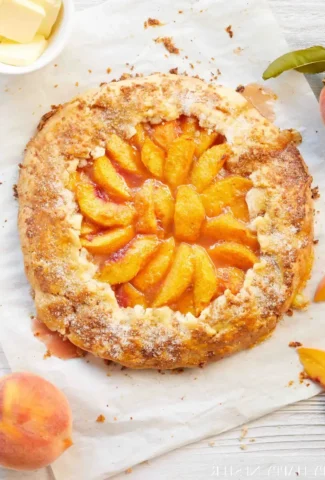
Picture golden crust kissed by a honey‑sweet swirl; a constellation of ripe peach wedges that melt into an aromatic jam of vanilla and cinnamon. The crumb radiates a buttery, caramelized crunch that gives way to soft, succulent fruit. The burst of peach juices, tempered by a whisper of nutmeg, pours like liquid sunshine across the plate, making every bite a sun-kissed memory.
I’ve refined this galette by replacing the ordinary mixing bowl with a high‑speed blender, which keeps the dough ultra‑light and removes large gluten clumps, two common pitfalls for beginners. The secret spice blend – a touch of ground ginger alongside traditional cinnamon – elevates the flavor without overwhelming the peaches. My pro tip: fold a teaspoon of raw sugar on the dough top before baking; it caramelizes into sweet, crunchy ribbons. Avoid overmixing; keep the dough tender.
Why This Peach Galette Recipe Is the Best
The Flavor Secret is our “Sifted Crust” technique: using a blade-through blender keeps the flour uniformly aerated, creating a flaky layers reminiscent of a croissant but lighter. My Moroccan roots taught me that a perfect pastry is just the right balance of heat and rest; that’s why I chill the dough for at least two hours.
Perfected Texture arrives when the dough is rolled at a gentle, consistent pace—thanks to a parchment sheet that allows a smooth, even stretch. I added a splash of warm milk after rolling; it locks moisture and gives the crust a buttery glossy finish.
Foolproof & Fast: With a single blender, no separate bowl is required; you get to bake in 60 minutes and serve a crowd every Thursday night in Manhattan. And because the peaches are fresh and the crust pre‑formed, you’ll never face a soggy bottom.
Peach Galette Ingredients
I source the flour, butter, and peaches from the Saturday farmers’ market along the Hudson, where vendors still cut fresh fruit in the vanilla light of morning. These humble staples turn into a luxurious dessert that invites family and friends to linger over a slice.
Ingredients List
- 1 ½ cup all‑purpose flour
- ½ cup chilled butter, cut into ½‑inch pieces
- 3 Tbsp shortening, chilled
- 2 Tbsp granulated sugar
- 1 pinch salt
- 1 Tbsp milk, warmed
- ½ cup raw sugar (or granulated, for sprinkling)
- 3 Tbsp flour (for peach mix)
- ½ tsp cinnamon
- 4 or 5 ripe peaches, skinned and sliced into ¼–½” wedges
Ingredient Spotlight
Flour: Use a tight‑sieve or modern blender to keep the grains soft; substitute 100 g of pastry flour for a slightly lighter crumb, but mix at room temperature for less gluten development.
Butter: Choose European-style unsalted butter (82% fat) for richer flavor; if dairy allergy, replace with a nut‑based spread with similar fat content. The mouthfeel remains buttery yet velvety.
Peaches: Halve the peaches and dry the skins with a paper towel to reduce surface moisture; alternatively, blanch gently to soften if you prefer a less firm bite. A slice of fresh peach from the market beats canned dessert any day.
| Original Ingredient | Best Substitution | Flavor / Texture Impact |
|---|---|---|
| All‑purpose flour | Pastry flour | Lighter, flakier crumb |
| Butter (whole milk) | European butter (82%) | Richer flavor, stronger lift |
| Whole peaches | Almond‑fruit mix (apples & pears) | Sweet, low‑acid balance |
How to Make Peach Galette — Step-by-Step
Whistle out a light rhythm; the key is a quick, calm assembly—here’s the full runway.
Step 1: Prep Dough
Place flour, butter, shortening, sugar, and salt into a high‑speed blender. Pulse briefly until the mix resembles coarse crumbs. The blender keeps the butter pieces distinct, giving lift.
💡 Samantha’s Pro Tip: Keep the blender low speed when adding salt to avoid bravely mixing it into the top, which can dry out the dough.
Step 2: Chill Dough
Sprinkle parchment with flour, press the dough into a disk, and wrap in the parchment. Chill for at least two hours to set the gluten, making the next steps smoother.
⚠️ Common Mistake to Avoid: Cutting the dough too thin after chilling; keep it at least 1/2″ thick to shield the peaches.
Step 3: Preheat Oven
Set the oven to 375 °F (190 °C) and let it preheat fully before baking the galette.
💡 Samantha’s Pro Tip: Place an oven thermometer to confirm accurate heat; pea‑sweetness thrives at precise 375°F.
Step 4: Prepare Peaches
Slice peaches into ¼–½” wedges. In a bowl, whisk sugar, flour, and cinnamon; toss peaches gently in the mix until coated. For extra caramel, add a splash of milk.
⚠️ Common Mistake to Avoid: Overmixing peaches; too much handling spills juice and makes the crust soggy.
Step 5: Roll and Assemble
On a floured parchment, roll dough into a slightly larger 11” circle. Place peach wedges at 1.5” from the edge, forming concentric rings. Fold surrounding dough over the peaches, keeping a little overhang.
💡 Samantha’s Pro Tip: Lightly brush the folded crust with a beaten egg for a shiny finish, or skip to keep it airy.
Step 6: Bake Galette
Brush the crust lightly with warm milk, sprinkle raw sugar, and place on a rimless sheet. Bake for 50–60 minutes, covering loosely with foil for the first 40 minutes, then uncover for the final 10.
⚠️ Common Mistake to Avoid: Baking on a rack can let juices run off; lay a second sheet beneath to catch drips.
Step 7: Cool & Break
Cool on the sheet, then transfer to a wire rack for 30 minutes. When ready to serve, break along the crust line to reveal the sunny center.
💡 Samantha’s Pro Tip: Let it cool slightly before cutting to maintain a clean, graceful wedge shape.
| Step | Action | Duration | Key Visual Cue |
|---|---|---|---|
| 1 | Blend dough | 3 min | Coarse crumbs |
| 2 | Chill dough | 2 hrs | Firm crust |
| 3 | Preheat oven | 10 min | Hot |
| 4 | Coat peaches | 5 min | Golden coats |
| 5 | Roll & fold | 10 min | Overhang |
| 6 | Bake | 55 min | Golden edges |
| 7 | Cool & slice | 30 min | Smooth cut |
Serving & Presentation
Plate a wedge on a warm plate; drizzle a drizzle of chilled honey and sprinkle a pinch of crushed pistachios for a Moroccan visual flare. A dusting of powdered sugar can mimic the snowy peaks of a Parisian dessert. It pairs beautifully with a cup of strong black coffee or a chilled glass of sparkling rosé.
I love serving my galette at Fourth Avenue brunches with a side of fresh arugula salad tossed in lemon vinaigrette— the bright peppery bite balances the sweet peach. A splash of burrata or crumbled goat cheese adds a creamy contrast, reminiscent of my mother’s family dinners in Marrakech.
| Pairing Type | Suggestions | Why It Works |
|---|---|---|
| Side Dish | Arugula lemon salad, roasted asparagus | Freshness balances sweetness |
| Sauce / Dip | Mascarpone with lemon zest, honey glaze | Brings creaminess and citrus |
| Beverage | Sparkling rosé, cold brew coffee | Aromatically complementing |
| Garnish | Pistachio bits, fresh mint, lime zest | Texture and bright accents |
Make-Ahead, Storage & Reheating
The NYC rhythm keeps me on my toes. For a midweek gathering, I assemble the galette a day ahead, store in a sealed container, and bake it fresh. This makes pre‑planning painless while still offering a fresh auditory crunch.
| Method | Container | Duration | Reheating Tip |
|---|---|---|---|
| Refrigerator | Sealed plastic bowl | Up to 2 days | Reheat 10‑12 min at 350 °F |
| Freezer | Aluminum foil bag | Up to 3 months | Thaw overnight, bake 45 min |
| Make‑Ahead | Dry rolled crust & fried peaches | Up to 4 days | Re‑assemble, heat 5 min |
When refrosting, I always add a splash of milk to the crust for moisture. The peaches might lose a touch of their zing, but the slight caramelization from the sugar creates an indulgent glaze that makes each bite velvety.
Variations & Easy Swaps
| Variation | Key Change | Best For | Difficulty Impact |
|---|---|---|---|
| Apple‑Pear Fusion Twist | Replace 1 peach with 1 sliced apple & 1 pear | Family‑friendly fruit blend | Same |
| Gluten‑Free & Dairy‑Free Version | Use GF flour & coconut butter | Allergies & health focus | Easy |
| Seasonal Berry Mix‑in | Add ½ cup fresh blueberries or raspberries | Summer garden flavor | Easy |
Apple‑Pear Fusion Twist
For a deeper, tart nuance, swap one peach slice for a crisp apple and a soft pear. The apple adds a bright sulfur flavor, while the pear brings silky flesh—both enhancing the galette’s textural profile and giving you that orchard‑inspired aroma.
Gluten‑Free & Dairy‑Free Version
Replace all‑purpose flour with a 1:1 blend of gluten‑free oat & almond flours; cancel butter in favor of unflavored coconut oil. The result is a tender, slightly tropical crumb that still carries the buttery bite, while keeping the dish dairy‑free for sensitive palates.
Summer Berry Mix‑in
As pumpkins yield to berries, mix in a handful of blueberries or raspberries for a burst of jewel‑red color. I use a hexagonal lattice crust to give the bread a net‑like look that evokes a Parisian display shop, making the dessert feel both modern and classic.
How long does a peach galette stay fresh?
A peach galette can stay fresh for up to three days when stored in an airtight container in the refrigerator. The crust may soften slightly, but the peaches keep their juicy burst. For longer storage, freeze the assembled galette and reheat slice‑by‑slice; this preserves the flaky texture and sweet filling.
Can I use frozen peaches in this peach galette?
Yes, using frozen peaches is possible, but you’ll need to thaw them in refrigerated water and pat them dry to avoid excess juice. The sugar coating helps the frosting hold the fruit’s shape, preventing sogginess. I find that thawed peaches bring a slight sweet‑citrus note that offsets the cooler flavor profile.
Do I need to blind bake the crust?
Blind baking isn’t necessary for the peach galette because the fruit renders out moisture while the dough is partially covered. The final layers of dough that fold over the peach pockets absorb juices, creating a moist but not soggy interior. However, you can pre‑bake the crust if you prefer a crisper base.
What is the best type of sugar for peach galette?
Raw or unrefined cane sugar adds subtle molasses nuance and caramelizes slightly on the crust, creating sweet, crunchy edges; granulated sugar is a neutral alternative. Sprinkle raw sugar on top before baking so it traces glossy little filaments that highlight the fruit’s glow. For a dessert crackling crispiness, a wide‑grained sugar works best.
Can I add blueberries or other fruits?
Definitely! Blueberries, blackberries, or even diced apricots pair wonderfully with peach flavor and give the galette a vibrant rind. If you use berries, reduce the sugar slightly to offset their natural tartness, and toss them lightly in flour so they not break apart during baking. The result is a fully fruit‑filled, colorful pastry.
What if I have a harried kitchen – can I skip a step?
For a rapid weekend treat, you can skip the chilling step, rolling the dough directly after blending. However, a 30‑minute chill will still help the gluten relax and the pastries hold their shape. Another time‑saver is to use a pre‑made pastry dough, but still make sure to drizzle raw sugar for that honey‑like trick.
Should I use a pie plate in place of a rimless sheet?
While a rimless sheet gives a rustic edge, a round pie plate offers a cleaner edges and ensures even heat distribution, especially for larger galettes. Either surface works; just remember to line with parchment for easy release. If you prefer a shallow galette, a pie plate creates a perfect depth that holds fruit juices in place.
How can I keep the crust from getting soggy?
Prevent sogginess by ensuring the peaches are patted dry before coating them with sugar. Also, keep the pastry damp with a drizzle of milk; the sugar on crust caramelizes and seals the surface. After baking, cool the galette on a rack so a room‑temperature breeze can escape moisture from the underside, preserving crispness.
What glass or plate is best for serving?
Aoc temped marble or a small ceramic plate brings elegance: the neutral tone will allow the peach colors to pop, while the weight holds the pastry steady. For everyday brunch, a simple white shallow bowl with a garnish gives a rustic vibe. If you’re presenting at a dinner station, set slices on fine china with a drizzle of honey for an elevated touch.
Does this recipe work for summer or different seasons?
Absolutely. In the autumn, swap peaches for in‑season pears or apples. In winter, the thicker crust and warm spices create a cozy dessert for holiday gatherings. The core technique remains the same: thin dough, sweet fruit, and a sprinkle of sugar that caramelizes. Feel free to experiment with spices like cardamom for a winter twist.
Share Your Version!
Tell me how this galette tastes in your kitchen, or how you tweaked it to suit your family’s palate. Drop a star rating or leave a comment below—your thoughts help me refine future recipes. If you snapped a photo, share it on Instagram or Pinterest as I tag mykitchenstorie. What’s the one secret spice you would add to upgrade the classic peaches?
From my NYC kitchen to yours — I hope this recipe brings as much warmth to your table as it does to mine. — Samantha 🧡
Love This Recipe? Save It to Pinterest!
If you enjoyed this Peach Galette recipe, don’t let it get lost in your browser tabs! 😄 Pin it now so you can find it again anytime — and explore hundreds more tried-and-tested recipes waiting for you on my Pinterest boards.
👉 Follow Samantha on Pinterest @exorecipe
📌 Pin this recipe · 🔁 Re-pin your favorites · 💬 Tag me when you make it — I love seeing your creations!
Peach Galette Recipe

This Peach Galette Recipe is so simple to make and it tastes delicious. If you want the flavor of a peach pie, this is a nice alternative.
Ingredients
- 1½ cup flour
- ½ cup butter (chilled and cut into ½-inch pieces)
- 3 tbsp shortening (chill)
- 2 tbsp sugar
- 1 pinch salt
- milk
- raw sugar (You can use granulated sugar for sprinkling on crust.)
- ½ cup sugar
- 3 tbsp flour
- ½ tsp cinnamon
- 4 or 5 peaches (skinned and sliced)
Instructions
- Place flour, butter, shortening, sugar, and salt in a Cuisinart blender.
- Pulse the blender at first, and the dough will resemble a very coarse meal.
- Continue to mix the pastry dough until it forms a round soft ball.
- Sprinkle a piece of parchment or wax paper with flour and place the dough on the paper. Flatten into a small disk shape.
- Wrap up the dough in the parchment paper and refrigerate for at least two hours.
- Preheat the oven to 375° F.
- Peel and slice peaches into ¼ – ½" thick wedges.
- In a medium-size bowl, stir the granulated sugar, flour, and cinnamon.
- Gently toss prepared peaches into the sugar mixture. You can add a tiny bit more sugar if your peaches are tart,
- Remove dough from the refrigerator. Place on a floured piece of parchment measuring 12" long and wide. I transfer the dough and paper to a rimless baking sheet.
- Beat your ball of chilled dough with a rolling pin and knead the dough briefly around the edges to soften slightly. Moving from below center, roll the dough out to the edge. Lift the dough, turn it slightly, and give another roll. Sprinkle dough on the top and bottom with flour and keep rolling.
- Create an 11" circle with the dough. I needed the edges a bit thicker to lift it over the top of the galette.
- Starting 1 to 1½ inches from the edge of the round, arrange the peach wedges in a single layer in concentric circles until you reach the center of the circle. When placing the peaches on the dough, leave the extra juice in the bowl and not on your galette.
- Fold the outer edges of the pastry over the peaches, creating overlapping folds as you work around the perimeter. Once you form the galette, ensure no cracks in the dough where the peach filling can seep.
- Brush the top of the pastry with the milk and sprinkle with sugar.
- If your galette is juicy, place another baking sheet underneath to catch any juices overflowing.
- Bake for 50 to 60 minutes, until the crust is golden and the filling is cooked. I covered my galette loosely with tin foil and the last 10 minutes of baking uncovered it.
- Let the galette cool on the baking sheet on a wire rack. Cut into wedges and serve warm.
Leave a Reply